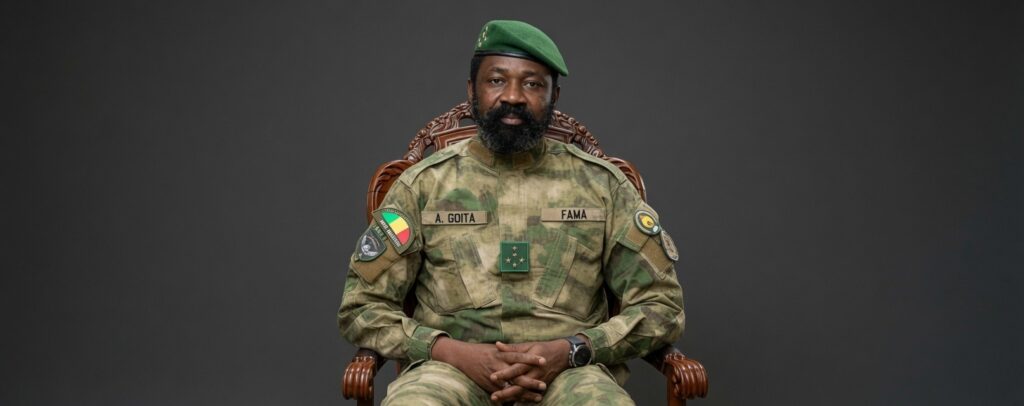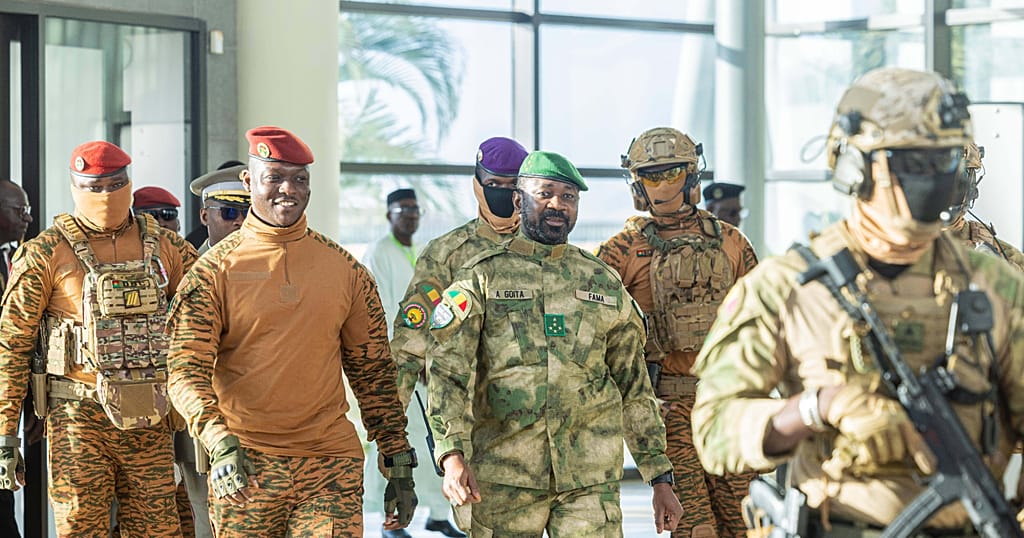
Following the violent events of April 25 in Bamako, a fragile calm persists as the Malian military unveils shocking details about a coordinated plot against its leadership. Authorities now describe a meticulously planned assassination attempt targeting President Assimi Goïta and other top officials, with multiple explosive-laden vehicles deployed in the operation.
During an emergency press briefing, military spokesperson Commandant Djibrila Maïga revealed that one of the vehicles was specifically aimed at the presidential residence. This premeditated attack was designed to eliminate our highest authorities, he asserted, underscoring the gravity of the situation.
The unfolding crisis has spilled across borders, prompting Burkina Faso to take decisive action. Regulatory authorities in Ouagadougou have suspended broadcasts of TV5Monde, accusing the international network of propagating terrorist propaganda and undermining Mali’s transitional institutions. The decision reflects growing regional tensions over foreign media coverage of Sahel security challenges.
Public reaction in Burkina Faso has been divided. While some citizens, like Flore Guigma, endorse the ban—We cannot allow channels that glorify terrorism to operate here—others criticize what they perceive as biased reporting. Serge Théophile Bancé expressed frustration, stating, There’s a patronizing tone in how these outlets frame Sahel stories, and I’ve stopped watching them entirely.
International watchdogs have also weighed in. Reporters Without Borders condemned the suspension, warning it further restricts press freedoms in the country. Since Captain Ibrahim Traoré’s rise to power, several international outlets—including Le Monde, LCI, France 24, RFI, BBC News, and Voice of America—have faced similar restrictions, amplifying concerns about media access in the region.