Tchad: street vendors rise while children bear the hidden cost
In the bustling markets of Chad, a quiet revolution is unfolding—one led by women who have taken to the streets to sell their wares. Yet behind their newfound independence lurks a troubling reality for the nation’s children.
A new rhythm in Chad’s streets: women take charge
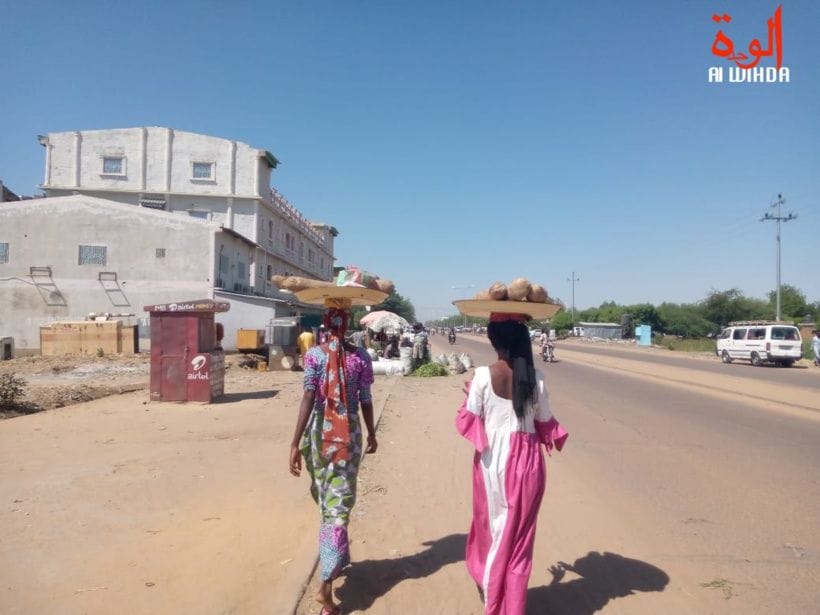
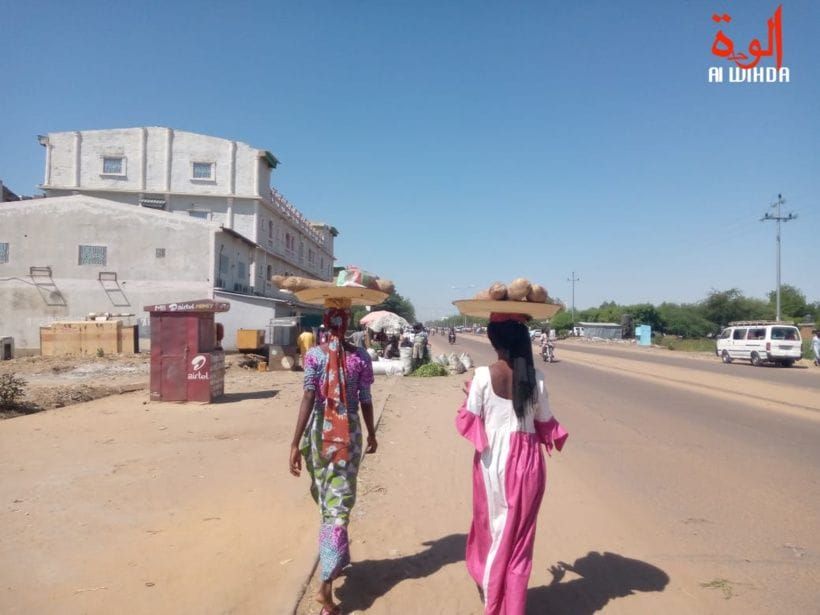
From the crack of dawn, the pavements of N’Djamena, Moundou, and Abéché come alive with the energy of women balancing baskets of ripe mangoes, golden beignets, and vibrant fabrics. Their voices cut through the noise of motors and pedestrians, their colorful headscarves shielding them from the relentless sun. This isn’t a fleeting trend—it’s a steady wave of transformation sweeping through Chad’s urban centers.
Aïcha, in her early thirties, navigates the crowded alleys with practiced ease, her youngest child strapped to her back. For years, she’s sold roasted peanuts, her earnings the backbone of her household. “It’s not easy,” she admits, pressing a handful of nuts into a customer’s palm, “but I’m the one in control now.” Nearby, Fanta tends to her sizzling flatbreads over a makeshift stove, her five-year-old son playing with a scrap of plastic in the dust. These women, once confined to the shadows of home life, now command the streets—negotiating, hauling, and carving out a living on their own terms.
The weight they carry: children in the shadow of commerce
Yet the cost of this independence is often paid by the smallest members of society. Children accompany their mothers, inhaling the thick smoke of burning coal, dozing off under the weight of heavy loads, or begging for scraps of shade. In Abéché, a seven-year-old was spotted last week, a bucket of water balanced on his head, shouting for buyers while his mother haggled over a kilo of millet. Schoolbooks gather dust in distant corners of homes; the classroom has become a distant memory for many.
Is this the unseen side of women’s empowerment—a trade-off where mothers gain freedom while their children lose their futures? The streets of Chad tell a complex story, one where resilience and hardship walk hand in hand.
An uncertain future for Chad’s youngest
Every day, these women rise with the sun, their determination unshaken. But as they shoulder the burdens of survival, their children stumble in their wake, their dreams deferred by the harsh realities of daily commerce. What lies ahead for Chad’s next generation in this relentless dance of markets and survival?