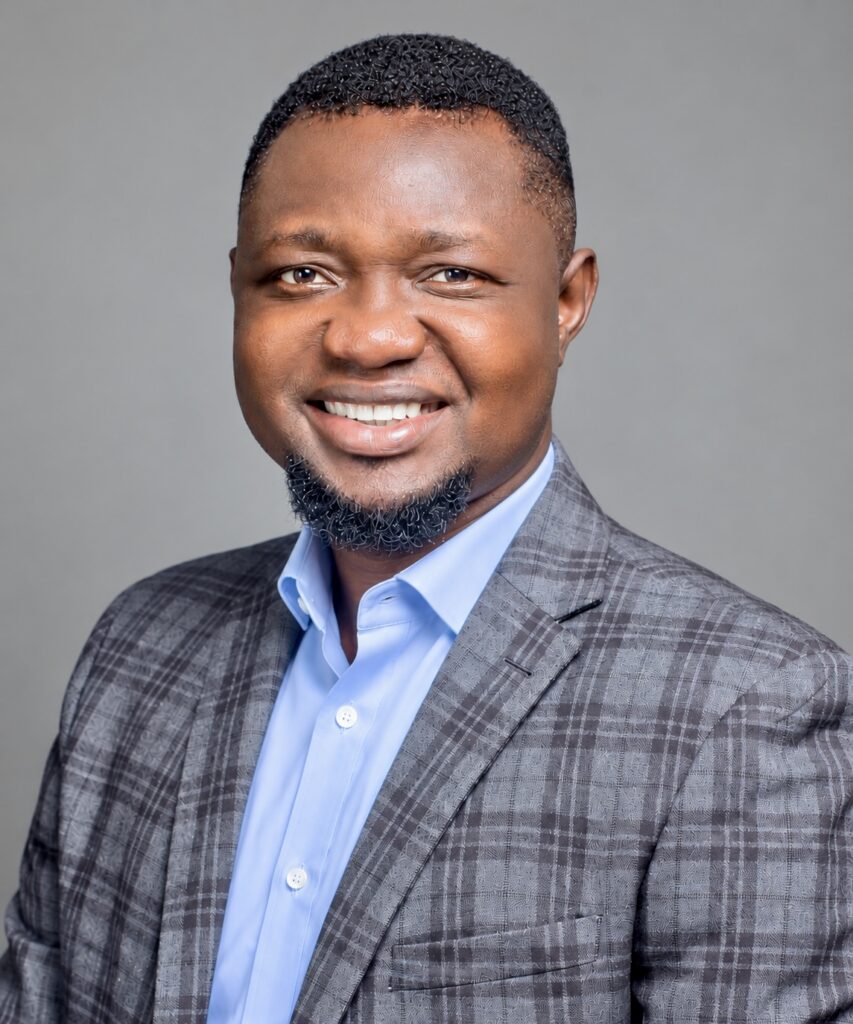
Oscar Njiki argues that the constitution guarantees equality among citizens. Rights depend on citizenship, not origin. Autochthony is a cultural identity, not a legal privilege.
Here is his analysis:
1) Is a Cameroonian citizen an autochthone everywhere in Cameroon?
No. Autochthony is not a universal quality conferred by citizenship. It is rooted in memory, lineage, and history. Owning a piece of land, settling there, and investing in it is not enough to become an autochthone. Indigenous peoples have an ontological relationship with their lands: those lands are an extension of their identity. The customary rights they hold are not transferred through a simple commercial transaction; they expire at the moment of sale.
YOU CANNOT BE AN AUTOCHTHONE EVERYWHERE.
2) Must one be an autochthone to feel at home?
No. Citizenship transcends autochthony. Every Cameroonian is at home anywhere in Cameroon. The legitimacy of one’s settlement does not depend on origin but on belonging to the national community. Being Cameroonian means having the right to reside in Yaoundé, Bangangté, Maroua… without any condition of autochthony.
EVERY CAMEROONIAN CITIZEN IS AT HOME ANYWHERE IN CAMEROON.
3) Is an autochthone everywhere at home in his village?
No. Even within the village, space is structured by property. Everyone owns their land, houses, fields. Autochthony does not authorise trespassing or appropriation of others’ property. A non-autochthone who owns property is at home in the autochthone’s village, because possession establishes a right recognised by law.
AUTOCHTHONY DOES NOT GRANT ALL RIGHTS TO AUTOCHTHONES, NOR DOES NON-AUTOCHTHONY STRIP RIGHTS FROM OTHERS.
4) Does an autochthone have more rights in his village than a non-autochthone?
No. The law is one and indivisible. The constitution guarantees equality of citizens. Rights do not vary by origin but by citizenship. Autochthony is a cultural identity, not a legal privilege.
AUTOCHTHONES AND NON-AUTOCHTHONES ARE EQUAL BEFORE THE LAW.
5) Exception: the law reserves certain positions – mayor of the city, president of the regional council – for autochthones. But for other elective posts, such as deputies, mayors, councillors, no condition of autochthony is required.
THE LAW RESERVES TWO POSITIONS FOR AUTOCHTHONES, BUT ALL OTHER ELECTIVE OFFICES ARE OPEN TO ALL CITIZENS, BOTH AUTOCHTHONES AND NON-AUTOCHTHONES.
Ultimately, the debate on autochthony and non-autochthony is a dead end. It locks citizens into fragmented identities and diverts attention from what matters: our common future. What counts is not the competition of origins but the convergence of destinies. Autochthony and non-autochthony should not be weapons of division, but cultural realities integrated into a single, indivisible Republic.
We must look together in the same direction, as children of one nation, not as rival micro-states within the country. Because the future of Cameroon will not be built in fragmentation, but in unity, solidarity, and a shared awareness of a common destiny.
OSCAR NJIKI