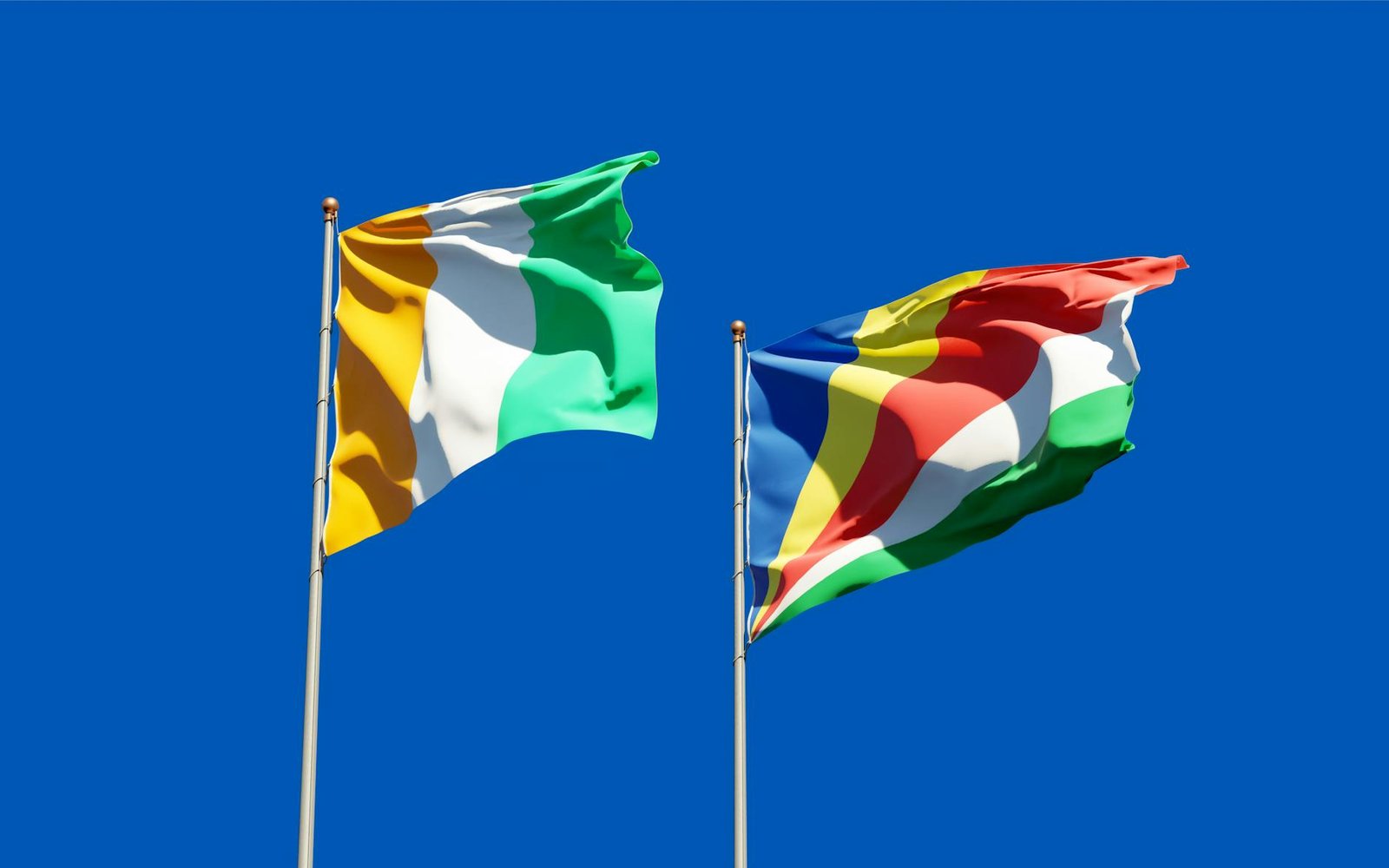
The debate surrounding the potential dissolution of Côte d’Ivoire’s Independent Electoral Commission (CEI) has once again taken center stage in the nation’s political discourse. This pivotal body, responsible for orchestrating elections across Côte d’Ivoire, faces persistent criticism from various opposition factions. They argue that its current composition is imbalanced and its independence from the executive branch is compromised. This critical discussion resurfaces as the country gears up for significant upcoming electoral contests, where public trust in the voting process remains paramount for national stability.
Political pressure on the electoral commission
Since its inception, the CEI has overseen all major national polls, from presidential and legislative elections to municipal and regional contests. However, the institution has consistently failed to secure universal approval. Leading opposition parties have repeatedly voiced concerns, alleging that its representation disproportionately favors the presidential camp and that the method for appointing commissioners does not assure the impartiality essential for overseeing competitive elections.
Calls for comprehensive reform gained momentum following recommendations from the African Court on Human and Peoples’ Rights, which highlighted structural shortcomings within the commission. While several adjustments have been implemented over time, they have not resolved the underlying political disputes. A significant segment of the political establishment asserts that only a complete dissolution, followed by a collaboratively agreed-upon recomposition, can re-establish confidence ahead of the crucial upcoming presidential elections.
Credibility at stake for upcoming elections
Côte d’Ivoire is entering a sensitive electoral period. The presidential election, anticipated in the coming months, is already galvanizing political parties, citizen platforms, and international observers. In this environment, the body tasked with organizing the vote commands intense scrutiny. The CEI’s perceived trustworthiness largely dictates whether election outcomes will be accepted by all contenders, directly influencing the nation’s post-electoral stability.
Past Ivorian elections have starkly illustrated how disputes over the electoral framework can escalate into protracted political crises. The events of 2010-2011 remain a vivid reminder, as do the tensions that overshadowed the 2020 presidential vote. Therefore, the decision to either reform or dissolve the CEI represents a crucial choice between upholding institutional continuity and sending a powerful political message to both the opposition and international partners.
Potential pathways for reform
Several distinct options are currently under consideration within Côte d’Ivoire’s public discourse. The first involves retaining the existing commission but undertaking minor adjustments to its composition, aiming to incorporate more representatives from opposition parties and civil society organizations. A second approach proposes a complete dissolution of the CEI, followed by the establishment of an entirely new structure, with appointment procedures determined through extensive political dialogue.
A more far-reaching third scenario suggests a comprehensive overhaul of the legal framework governing electoral organization. This would potentially lead to the creation of a technical body entirely separate from political power, mirroring electoral authorities found in several other nations within the sub-region. Each of these avenues necessitates significant constitutional and legislative decisions that extend beyond the current commission’s mandate.
Nevertheless, time is a critical factor, working against the implementation of more extensive reforms. As the presidential election draws nearer, the window for initiating profound structural changes narrows considerably. Ivorian authorities face the challenge of balancing the demands of the opposition, the expectations of the international community, and the practical logistical complexities inherent in organizing a nationwide poll.
A regional democratic imperative
The Ivorian discussion concerning the CEI reflects a broader trend observed across West Africa, where the independence of electoral management bodies has emerged as a crucial indicator of democratic health. From Sénégal to Bénin, numerous countries have embarked on reforms aimed at bolstering the transparency and collegiality of their electoral institutions. As the leading economy within the West African Economic and Monetary Union (UEMOA), Côte d’Ivoire is under scrutiny on this issue, both from its regional neighbors and international financial partners.
The unfolding developments in this matter over the coming weeks will offer valuable insight into the capacity of both the ruling party and the opposition to forge a consensus before the impending presidential election.