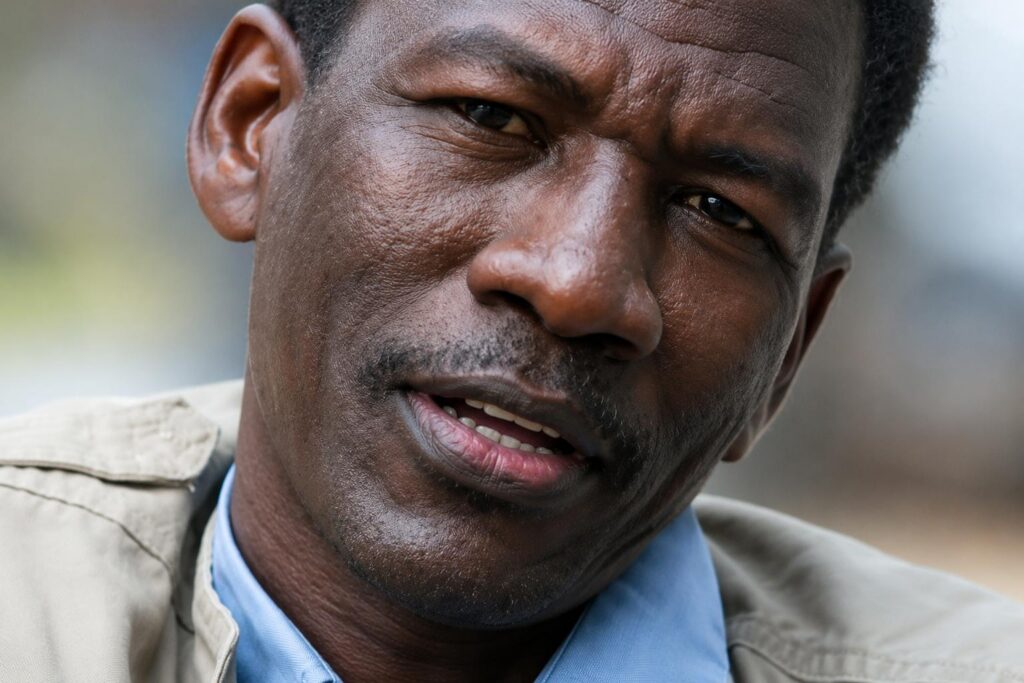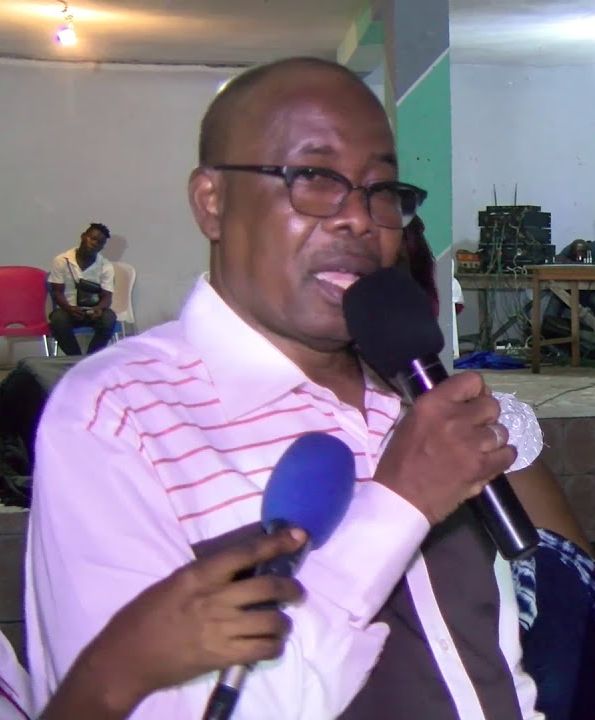
Rising from a humble background and navigating the many trials of life, Babily Dembélé has emerged as a multifaceted leader in Côte d’Ivoire. His life story, spanning architecture, politics, business, and social advocacy, is a testament to faith, perseverance, and an relentless drive for excellence.
Born into a family facing significant financial hardship, his spiritual path evolved from animist traditions to Catholicism and eventually Islam. The son of a farmer and a dedicated housewife, his early years were defined by scarcity. His father, originally from Kouto, was moved to Dimbokro for forced labor before eventually settling in Brofodoumé with the help of the BECHE family. Despite their lack of resources, his parents instilled in him the core principles of dignity, hard work, and resolve.
The young Babily Dembélé quickly learned the harsh realities of survival. While staying with a relative in Sassandra, he endured grueling conditions, at one point even sleeping in a chicken coop. However, these obstacles served as a catalyst for his resilience. A pivotal moment occurred when he met Father Alib, a French priest who provided him with essential moral guidance and educational support. Demonstrating exceptional academic talent, Babily Dembélé soon rose to the top of his class.
During his schooling, he studied alongside figures like the future lawyer Boga Doudou and Adama Koné. While his peers pursued law, Babily Dembélé focused on the sciences. In 1977-1978, he achieved national recognition as a mathematics laureate, an achievement that led to an invitation from President Félix Houphouët-Boigny. With the President’s personal backing, he moved to France to study at the Academy of Sciences in Paris, eventually qualifying as an expert architect.
His academic curiosity then took him to Al-Azhar University in Egypt, where he earned a degree in the anthropology of African and Western cultures. This unique blend of scientific and cultural expertise shaped his approach to international development. Upon returning to Côte d’Ivoire in the mid-1980s, he was recommended to the African Development Bank by President Houphouët-Boigny. This launched an international career where he managed infrastructure projects, including roads, bridges, and buildings, across 53 African nations.
Political engagement and challenges
In 1995, President Henri Konan Bédié appointed him as a special advisor focusing on religious affairs, political parties, and civil society. This role provided him with deep insights into diplomacy and governance. However, like many Ivorian leaders, he was caught in the country’s political turmoil. Following the 1999 coup, he was detained for over a month, and the 2002 crisis forced him into a five-year exile in France.
His commitment to his homeland remained unshaken. In 2007, at the invitation of Laurent Gbagbo, he returned to serve as a special representative to Arab nations. Alongside his political duties, Babily Dembélé successfully ventured into the private sector. He took over the company CIAD-Primo and spearheaded a massive real estate development in M’Pouto, Riviera, creating 800 homes with an investment reaching up to 7 billion FCFA.
Social impact and religious harmony
Dedicated to social cohesion, he has funded the construction of 11 mosques and 7 churches. His contribution to the religious community was notably highlighted in 1999 when he organized a chartered Saudi aircraft to transport 2,000 pilgrims to Mecca and Medina, significantly lowering the financial burden for those participating in the Hajj.
Today, the life of Babily Dembélé stands as a powerful example of how adversity can be transformed into opportunity. From a challenging childhood to high-level roles in politics, business, and social work, he remains a symbol of success and dedication to human progress in Côte d’Ivoire.