Lomé played host to a stark reality check as Biashara Afrika 2026 kicked off, where high-flying entrepreneurs found themselves locked out of the host nation despite holding valid regional travel documents.
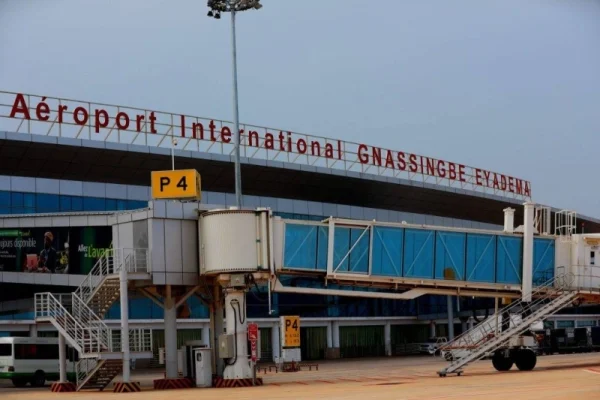
What began as a celebration of the African Continental Free Trade Area (AfCFTA) and its promise of a unified market of 1.4 billion consumers ended in a comedy of errors at Gnassingbé Eyadéma International Airport. The incident laid bare the gap between panafrican rhetoric and on-the-ground realities.
The passport paradox: why African investors fear African borders
The forum’s opening ceremony took an unexpected turn when Nigeria’s Minister of Industry, Trade and Investment, Dr. Jumoke Oduwole, shared an eye-opening account. Two seasoned investors—one Nigerian, one Ghanaian—had arrived the previous evening, only to be denied entry using their ECOWAS-issued passports. The only alternative? Presenting European passports and securing a 24-hour transit visa.
« One investor in financial services told me he wouldn’t consider investing here. We hadn’t even left the airport, and his decision was already made, » Dr. Oduwole recounted. « A European businessman would never face such a situation within the EU borders, » she added, highlighting the stark contrast between Africa’s ambitions and its implementation.
The irony was not lost on attendees: for African entrepreneurs, holding a European passport might be the only way to bypass the very borders meant to facilitate intra-African commerce.
When bureaucracy trumps integration: the cost of closed doors
For a nation positioning itself as a regional logistics and financial hub, the visa restrictions sent a chilling message to investors. The swift rejection of African travelers—despite regional agreements—undermined decades of trade facilitation efforts. The message was clear: in Lomé, an African passport is less valuable than a European one.
This wasn’t just a logistical hiccup; it was a public relations disaster, unfolding in real time during a flagship panafrican economic event.
Faure Gnassingbé’s 48-hour ultimatum: a race against reputational damage
The incident struck a nerve. Within hours, Togo’s President, Faure Gnassingbé, abandoned diplomatic protocols and issued a direct order to the Minister of Security: « Resolve this anomaly within 48 hours. » The deadline? The forum’s closing ceremony—just days away.
The swift response reflected growing frustration across the continent. Observers noted that Biashara Afrika 2026 had set out to dismantle non-tariff barriers, yet the airport incident proved how fragile progress remains. One errant stamp could derail billions in potential investments.
AfCFTA’s credibility at stake: free movement or empty promises?
Economists and entrepreneurs at the forum were unanimous: without free movement of people, the AfCFTA’s vision of a seamless continental market remains unattainable. « This is a wake-up call. If investors need a European passport to operate in Africa, then integration is just a buzzword, » remarked a Ghanaian investor.
Ivorian economist Dr. Amadou Koné echoed the sentiment: « Incidents like this expose the contradictions in our integration efforts. We talk of a single market, but our borders tell a different story. »
The forum’s participants now demand urgent action: harmonized visa policies, digitalized border processes, and political will to align rhetoric with reality. In Lomé, Africa learned the hard way that a single bureaucratic error can cost millions in lost opportunities.