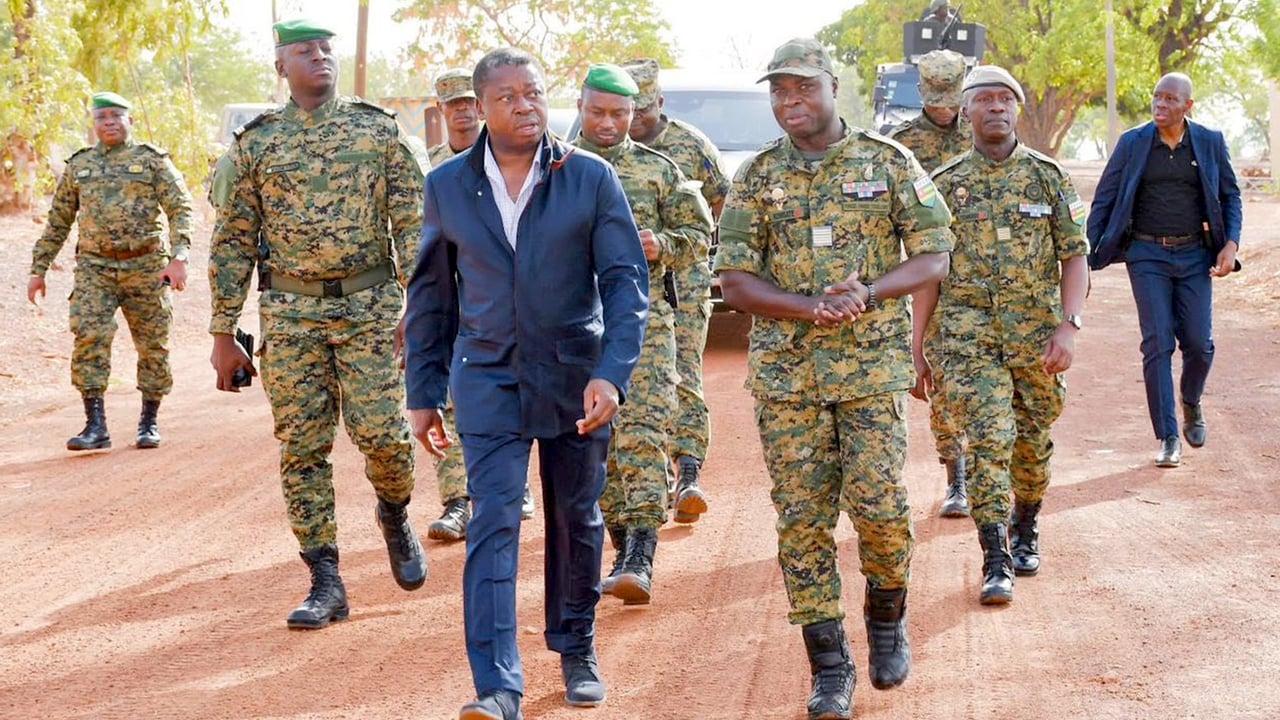

In a show of resolve against escalating jihadist threats, security forces in northern Togo have intensified border surveillance. Troops, gendarmes, and police officers marched in formation, followed by students proudly displaying their school banners. Local leaders, including Governor Affoh Atcha-Dédji of the Savanes region, reviewed the parade, demonstrating unified commitment to regional stability.
Why Togo is reinforcing its border with Burkina Faso
The move comes as neighboring Burkina Faso grapples with persistent terrorist incursions. The porous border has become a flashpoint, prompting Togo to adopt a more proactive security posture. Authorities in the Savanes region, where the parade took place, have reported increased movements near border areas, raising concerns about potential spillover violence.
Togo’s President Faure Gnassingbé has emphasized that national security remains a top priority. Enhanced patrols, intelligence-sharing with regional allies, and community engagement programs are part of the broader strategy to curb infiltration by armed groups.
Regional cooperation and counterterrorism efforts
Togo is not acting alone. The country has strengthened collaboration with neighboring Benin and Ghana, sharing real-time intelligence and coordinating joint patrols. West African nations are increasingly recognizing that terrorism respects no borders, making regional solidarity essential in the fight against extremism.
Efforts also include training local militias and improving surveillance infrastructure along the 1,000-kilometer border with Burkina Faso. These measures aim to prevent armed groups from exploiting weak points in border security.
Community involvement in national defense
The parade in the Savanes region highlighted another critical aspect of Togo’s strategy: public participation. Students and civil society groups were present, symbolizing national unity in the face of external threats. Authorities have launched awareness campaigns to educate border communities about recognizing suspicious activities and reporting them promptly.
This grassroots approach complements military efforts, fostering a culture of vigilance across the country. By involving citizens, Togo aims to create an early warning system that can detect and deter threats before they escalate.
Challenges ahead
Despite these measures, challenges remain. The vast, often rugged terrain along the Burkina Faso border complicates surveillance. Additionally, economic disparities in border communities can make some residents vulnerable to recruitment by extremist groups.
To address these issues, the Togolese government is investing in economic development projects in the Savanes region. Improved infrastructure and job opportunities are expected to reduce the appeal of militant ideologies among disaffected youth.
What’s next for Togo’s security strategy?
Observers expect Togo to continue expanding its security framework, potentially incorporating advanced technologies such as drones and AI-driven monitoring systems. Regional organizations like the Economic Community of West African States (ECOWAS) are also expected to play a larger role in coordinating counterterrorism initiatives.
For now, the military parade in the Savanes region serves as a clear message: Togo is prepared to defend its sovereignty and protect its citizens from the growing menace of jihadist violence.