Togo’s Economic Paradox: Modern Facades vs. Deteriorating Living Conditions
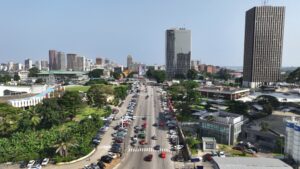
As Lomé’s political elite heralds a new tailored republic with unprecedented public backing, the economic landscape of Togo tells a starkly different story. While the government flaunts progress in infrastructure and macroeconomic stability, the harsh reality of financial mismanagement and deepening poverty reveals a far bleaker picture for ordinary citizens.
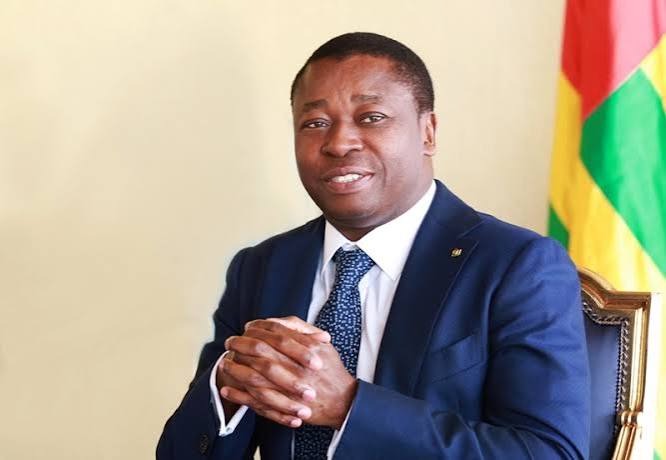
The narrative of transformation, often repeated in ministerial halls and donor forums, masks a troubling truth: under President Faure Gnassingbé’s leadership, Togo has become a financial black hole, consuming resources without tangible returns. Billions in CFA francs have flowed into the country from regional development banks and international partners, yet the local economy remains starved of meaningful growth.
Where Have the Investments Gone?
The port of Lomé, frequently praised as a jewel of modernity, stands as a symbol of unfulfilled promises. Despite its gleaming exterior, the economic dividends for the state and debt reduction efforts fall far short of expectations. Instead of fueling sustainable development, financial commitments continue to vanish into a labyrinth of inefficiency and misplaced priorities.
- Crippling debt burdens: Servicing national debt consumes an unsustainable share of the budget, leaving little room for productive investments or social programs.
- Overhyped projects: Repeated announcements of infrastructure upgrades rarely translate into job creation or industrial expansion, leaving communities without lasting benefits.
A regional economist familiar with the situation notes, “Donors keep funding Lomé, driven by geopolitical and security interests, but the financial discipline and public spending efficiency simply aren’t there.”
A Society Struggling to Survive
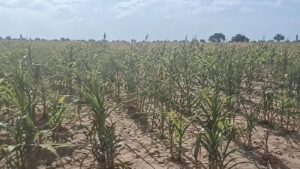
The human cost of this financial mismanagement is undeniable. Across Togo, from the bustling markets of Lomé to the remote villages of the Savanes region, families face mounting hardships. Rising inflation, relentless tax pressures on informal workers, and a lack of economic opportunities have eroded purchasing power, pushing essential goods and basic services out of reach for many.
The shift to a parliamentary system and institutional reforms are widely seen not as efforts to improve accountability, but as manoeuvres to redistribute power within the ruling elite without addressing past financial failures. For ordinary citizens, these changes offer little relief in a country where financial resources evaporate while living conditions deteriorate.
The contrast between official rhetoric and ground reality grows sharper by the day, leaving Togolese to question the true cost of their nation’s so-called progress.