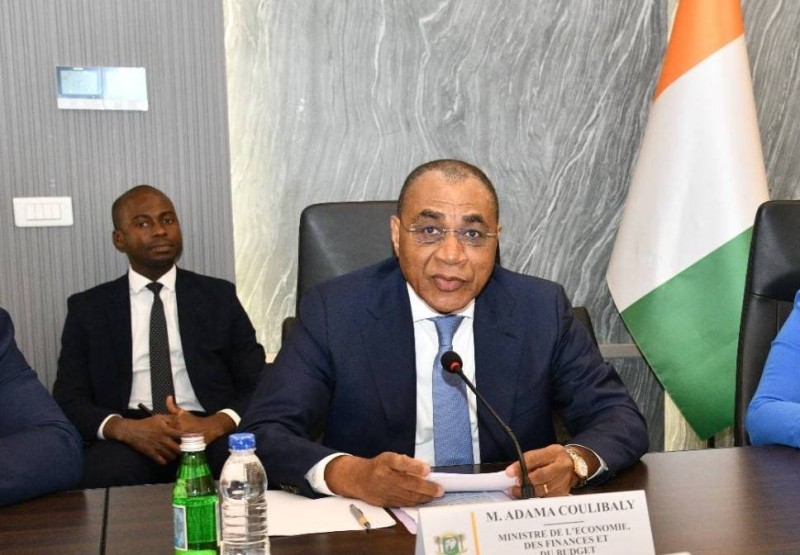
In a decisive move to curb rising cybercrime, Côte d’Ivoire’s Ministry of Economy, Finance and Budget has issued a stern warning against fraudulent online schemes promising unrealistic monthly earnings. The announcement, shared in Abidjan, targets a wave of deceptive digital advertisements circulating across social media platforms and messaging apps.
How these scams operate
Cybercriminals are luring unsuspecting citizens with enticing offers of quick wealth—claiming that after a simple registration process, individuals can receive monthly payouts of up to two million West African CFA francs. These claims are entirely fabricated and have no basis in official government programs. The fraudsters go to great lengths to appear credible, often impersonating high-ranking officials such as the Minister of Economy, Finance and Budget, or using doctored images and fabricated statements to lend legitimacy to their schemes.
These fraudulent promotions typically originate from private accounts or unverified social media pages, yet they falsely attribute their offers to government agencies. Once victims engage with these scams, they are manipulated into sharing sensitive personal or banking information, leaving them vulnerable to identity theft, financial loss, and even extortion.
Government response and public advisory
The Ministry has categorically denied any involvement in such programs and emphasized that all official government communications are published through verified channels. It has urged the public to verify the authenticity of any financial opportunity before taking action.
To protect citizens, the government is collaborating with law enforcement to identify, apprehend, and prosecute the individuals behind these fraudulent operations. Authorities are also calling on the public to report suspicious online activities and avoid sharing personal or financial details with unverified sources.
Staying safe online
Côte d’Ivoire’s digital landscape is increasingly targeted by cybercriminals exploiting social media’s reach. To stay protected:
- Never trust unsolicited financial offers—especially those promising guaranteed income with minimal effort.
- Verify official sources—check government websites or visit local administrative offices to confirm the legitimacy of financial programs.
- Protect your personal data—avoid sharing sensitive information such as ID numbers, bank details, or passwords online.
- Report suspicious activity—alert local authorities or use dedicated cybersecurity hotlines if you encounter fraudulent content.
This public alert comes as part of a broader regional effort to combat online fraud in West Africa. Authorities stress the importance of digital vigilance, reminding citizens that if an offer seems too good to be true, it likely is.