why Serie A’s cardiac exams derail football transfers
- July 13, 2026

Anan Khalaili’s transfer to Inter Milan collapsed after he failed additional cardiac examinations at Milan’s Humanitas hospital. While standard medical tests passed earlier, deeper scrutiny revealed concerns. Italy’s football regulations require these strict protocols, setting it apart from other European leagues. Could this stringent approach actually benefit Khalaili by redirecting him to a less demanding championship?
A 40-year commitment to player safety
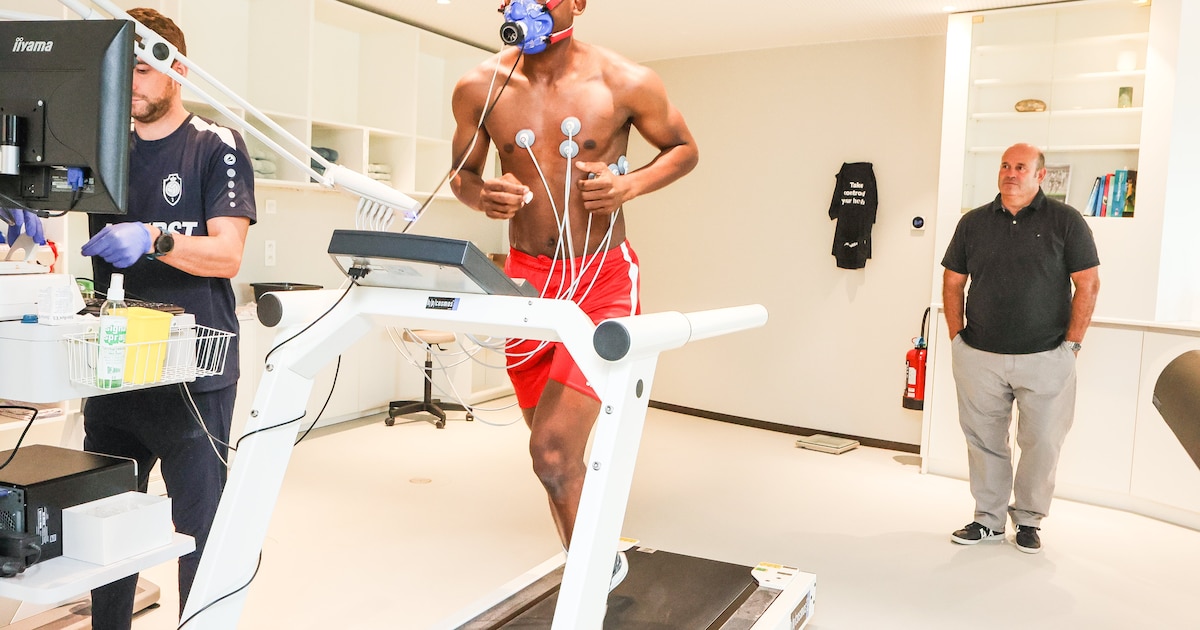
Italy’s rigorous cardiac screening program dates back to 1982, when the Health Ministry designated specialized sports medicine centers. A 1995 decree further tightened protocols, mandating echocardiograms and stress tests for professional athletes. ‘Our strict approach may spark debate, but it’s ethically vital’, explains Paolo Zeppilli, former sports medicine professor and Italian federation cardiologist. ‘If an athlete faces potential cardiac arrest on the field, we cannot allow it. Honestly, other leagues should adopt stricter standards.’
Cases that highlight the stakes
Italian Edoardo Bove and Danish Cristian Eriksen both received implantable defibrillators after suffering cardiac arrests during matches. While banned from Serie A, both resumed careers in England, where regulations differ. Eriksen faced another episode in June, underscoring the unpredictable nature of such conditions.