The political landscape in Cameroon is currently defined by intense speculation surrounding the appointment of a vice president. On June 29, 2026, a significant media statement from the Minister of Finance regarding the Sonara refinery’s rehabilitation reignited discussions about the future of the nation’s leadership. This move has placed the minister back at the forefront of the political conversation, especially following recent media narratives that have attempted to shift the focus of the succession race.
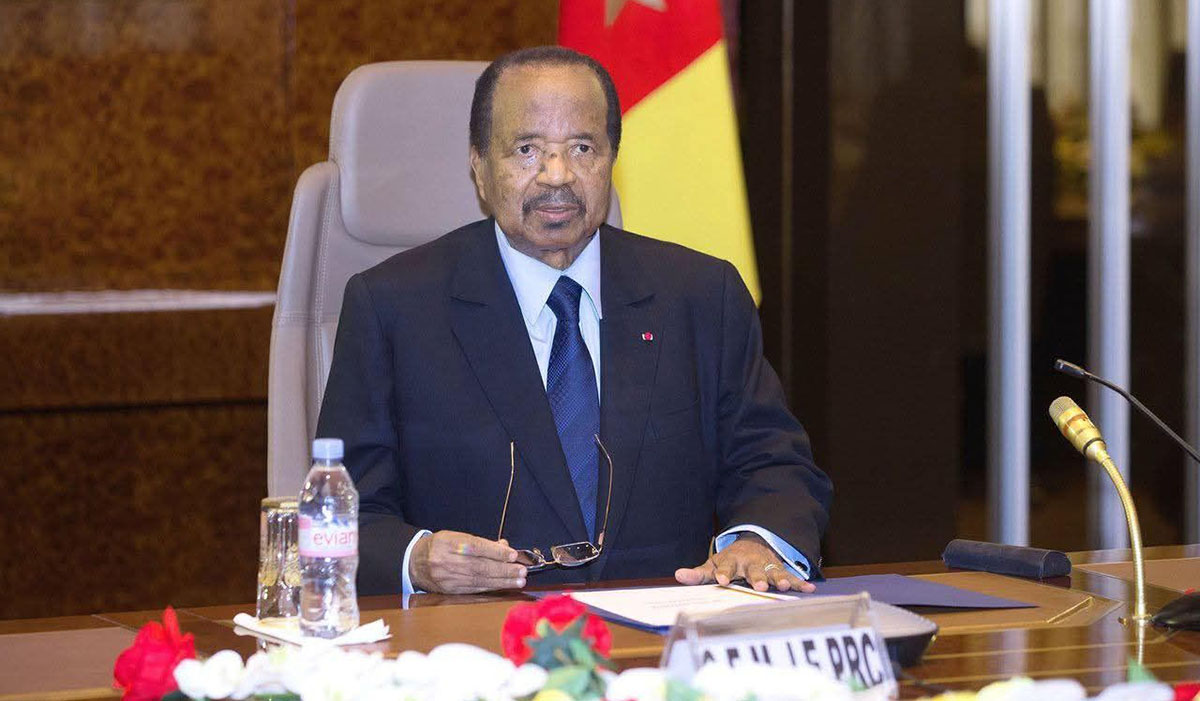
Lately, there has been a visible effort to undermine Franck Biya by suggesting he lacks support among the Bulu elite and the youth in the South. However, these maneuvers appear to be driven by the fear that his rising profile poses to other contenders for the vice-presidential role. Reports indicate that prior to his departure for Switzerland, President Paul Biya was presented with various proposals for the vice-presidency and a new government cabinet. Notably, the President chose not to act on these suggestions, instead opting for a more private travel arrangement that reportedly included high-level consultations with Franck Biya.
Investigating the claims of gold-related business interests
Recent allegations have surfaced attempting to link Franck Biya to illicit gold trafficking. Such accusations are a clear sign that the internal struggle within the deep state has reached a critical point. The ongoing scrutiny by the Special Criminal Court (TCS) into the Martinez Zogo case and various gold-related scandals is likely to lead to the political downfall of several high-ranking officials who are currently vying for power. As the wait for a cabinet reshuffle and a vice-presidential appointment continues, these internal conflicts are becoming increasingly public.
This period of uncertainty also brings security concerns for the head of state. Following revelations from the Martinez Zogo investigation that highlighted questionable connections within certain security branches, President Paul Biya has moved to strengthen his protection by relying on the BIR, an elite military unit. The leadership of the Presidential Guard (GP) has also seen strategic shifts, with key personnel now operating directly from the Etoudi palace to ensure the President’s safety.
International eyes are also fixed on the situation. United States intelligence services, concerned about the potential for instability in the absence of a clear succession plan, have reportedly advised President Paul Biya to minimize his international movements. The discreet arrival of William Joseph Burns, Director of the CIA, at the Yaoundé-Nsimalen international airport for meetings with top security officials underscores the gravity of the situation. Even figures like Donald Trump have been linked to discussions regarding the security of the Cameroonian presidency. Despite the pressure from various factions, it is evident that President Paul Biya remains in control of the nation’s key files. His leadership is the primary factor ensuring that Cameroun moves toward a peaceful and stable political transition.