Senegal’s special funds: who really controls the billions outside parliament’s reach?
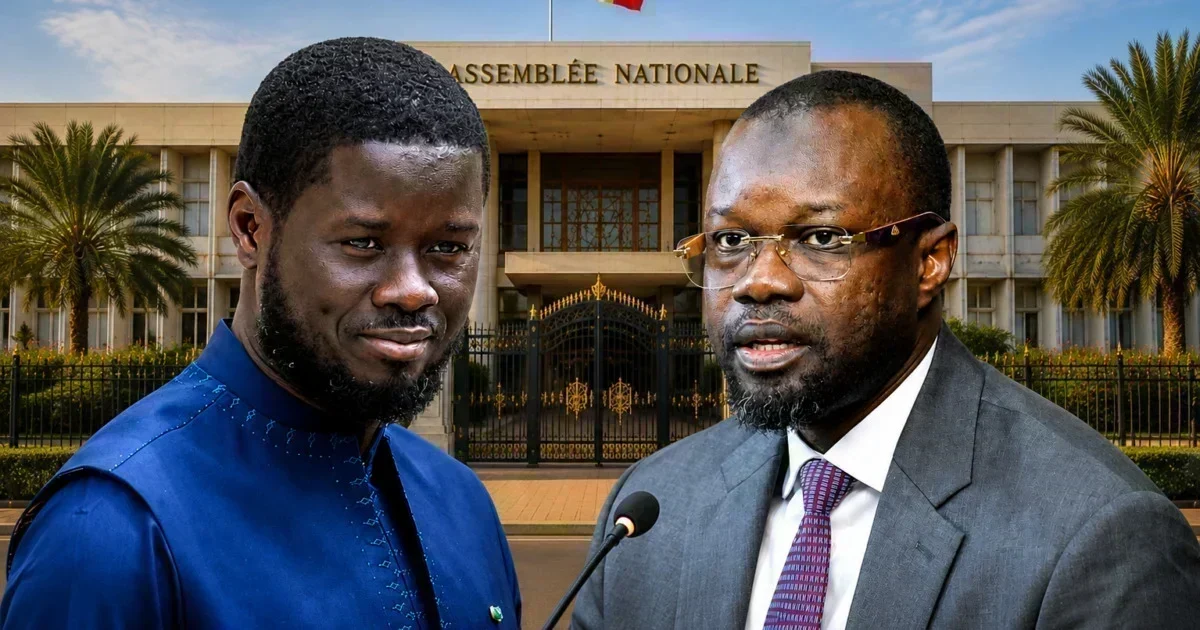
Senegal’s special funds: who really controls the billions outside parliament’s reach? On August 13, Justice Minister Moussa Sarr introduced a government amendment aimed at refocusing the bill on broad principles, leaving the precise methods of execution and oversight to regulatory power—and therefore to the executive itself—under Articles 67 and 76 of the Constitution. The effort to regulate special funds, launched by lawmakers weeks ago, remains unfinished. That absence of a definitive framework explains why a substantial share of the state’s discretionary spending still escapes effective oversight by the National Assembly.…
Read More

Can Wadagni’s Kigali visit turn memory into a Benin-Rwanda partnership?

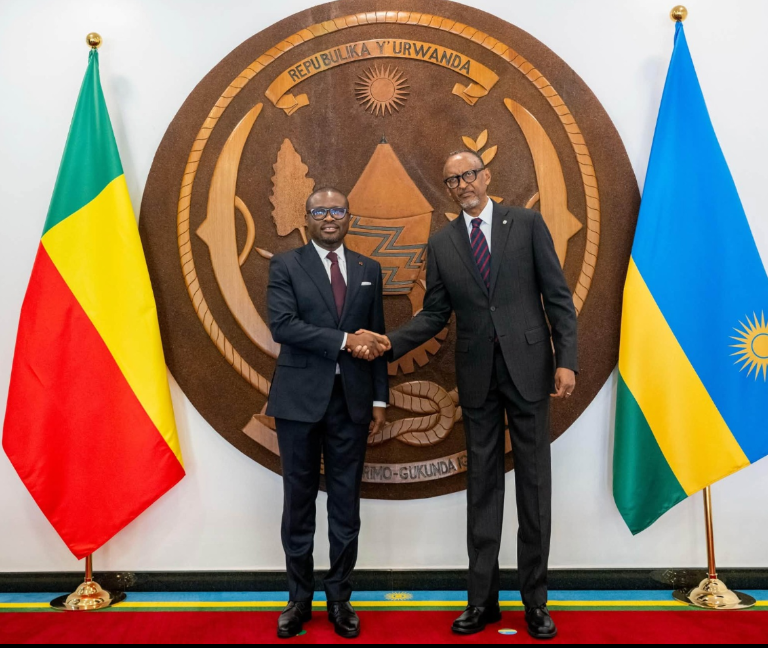
KIGALI — Benin’s President Romuald Wadagni began a two-day official visit to Rwanda on Wednesday, September 16, 2026. His first diplomatic trip of this kind since taking office in May brings the Beninese head of state to the heart of the Rwandan capital, where his counterpart Paul Kagame received him. The agenda includes a moment of remembrance at the Kigali Genocide Memorial in Gisozi, honoring the victims of the 1994 genocide against the Tutsi. On arrival in Kigali, Romuald Wadagni and his accompanying delegation were greeted by a crowd that…

Read More

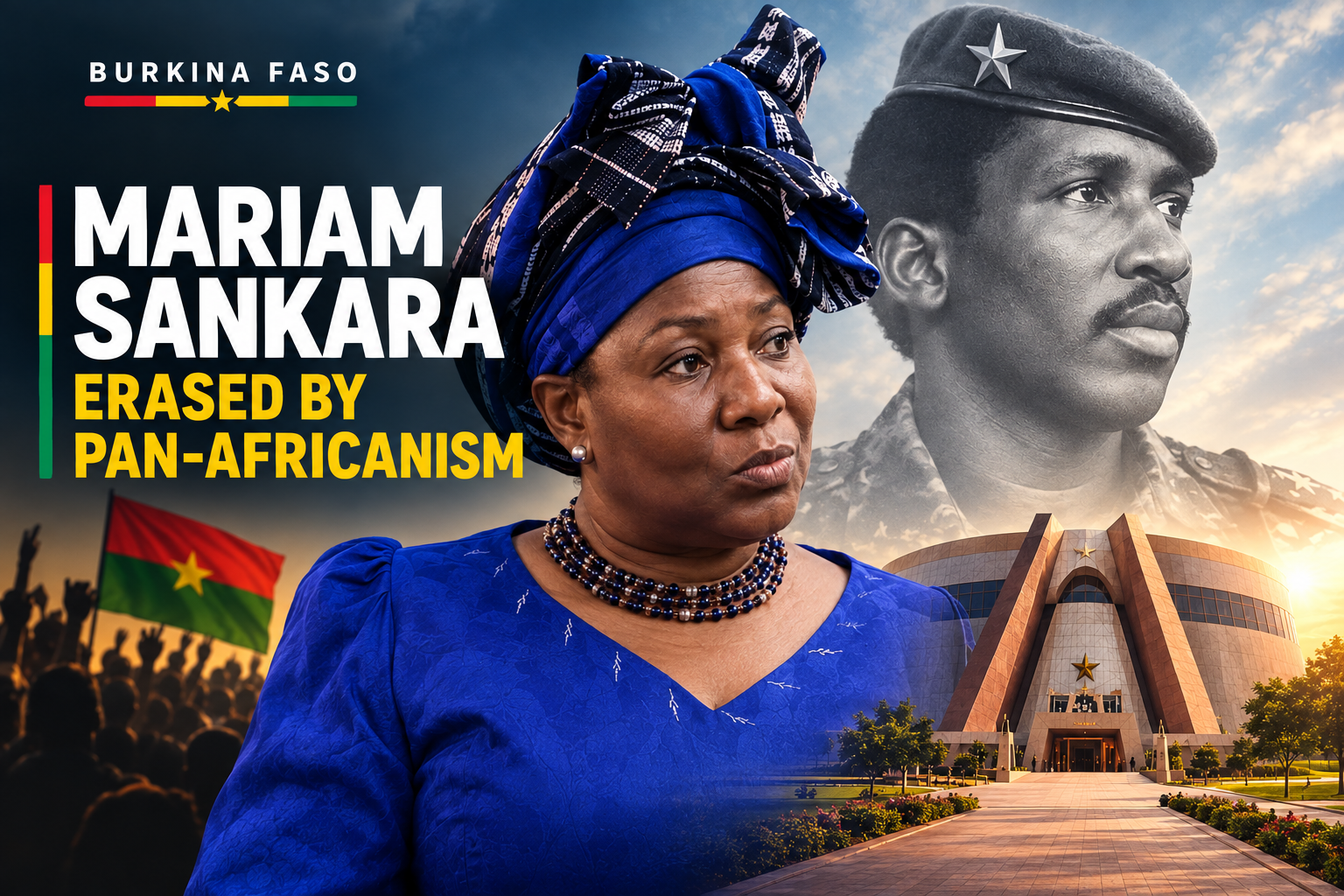
Can Burkina Faso honour Sankara’s legacy while silencing the family who kept it alive?

On 17 May 2025, on the grounds of the former Conseil de l’Entente in Ouagadougou, Burkina Faso inaugurated with considerable pomp the mausoleum of Thomas Sankara and his twelve companions. The ceremony, held under the patronage of Captain Ibrahim Traoré and led by Prime Minister Rimtalba Jean Emmanuel Ouédraogo, drew the Prime Ministers of Senegal, Ousmane Sonko, and of Chad, Allah-Maye Halina, alongside representatives of the Alliance of Sahel States and numerous pan-African figures from several continents. Twenty-one cannon shots rang out. Solemn speeches, revolutionary symbols, and an eye-shaped architectural…

Read More

Burkina Faso’s 85% efficiency claim: can a nation be governed by statistics?

The number that doesn’t add up What happens when a government celebrates a statistic that most of its citizens have never experienced? That is the dilemma facing Burkina Faso, where the transitional authorities have put forward a theoretical score of 85.38% for administrative performance in 2025. It is a figure that raises one uncomfortable question: can a state be run on paper while its people queue in vain? For ordinary Burkinabè, daily life means growing hardship and limited access to basic services. Yet the executive has decided to pat itself…

Read More

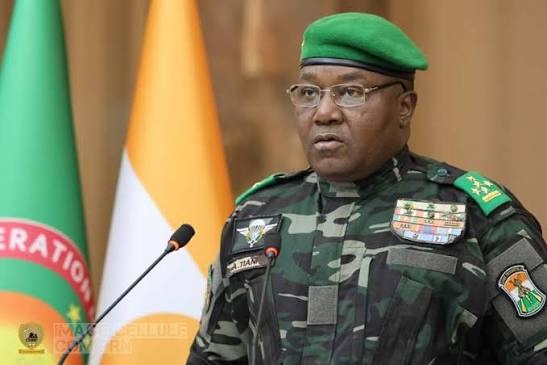
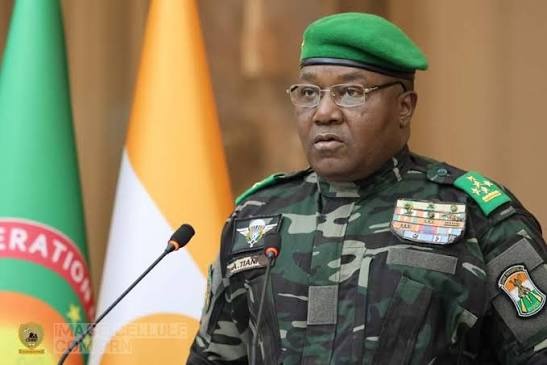
What is Niger’s 15 September 2026 reshuffle really buying — and at what cost?

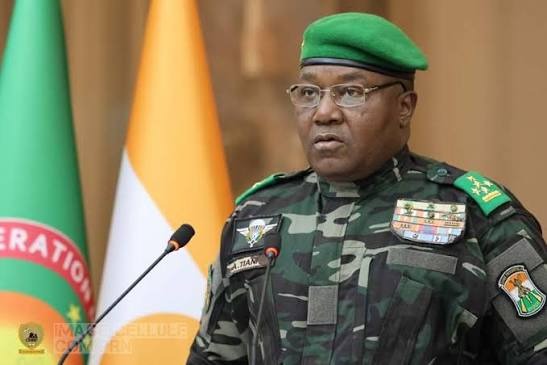
The decree that General Abdourahamane Tiani signed on 15 September 2026 raises one uncomfortable question for anyone watching Niger closely: can you keep a government standing by handing out posts to the people who shout loudest for it? Officially, the text was sold as a bland “technical reorganisation” — a line nobody in Niamey seemed to believe. In reality, this first big cabinet shake-up is a political rescue mission. With pressure mounting on every side, the Conseil national pour la sauvegarde de la patrie (CNSP) is doing what embattled governments…

Read More

Is Niger trading sovereignty for silence? The high stakes behind the junta’s new media rules

What happens when the very word meant to protect a nation — sovereignty — is turned into a tool against its own people? In Niger, that question has stopped being abstract. At the close of its Council of Ministers, the Conseil national pour la sauvegarde de la patrie (CNSP) unveiled a fresh legal framework for electronic media and foreign outlets, selling it as a shield for the country’s virtual space. Read the fine print, though, and the move looks less like protection and more like the first stone of an…

Read More

Mutiny in Niamey exposes cracks in Niger’s military leadership

A failed mutiny at Niamey’s Air Base 101 in late August left a devastating toll—claiming the lives of at least 13 members of the Presidential Guard and injuring several others during intense clashes involving heavy weaponry. Although fewer than 20 insurgents were apprehended by defense and security forces during subsequent operations, the incident laid bare deep-seated dysfunction within Niger’s military apparatus, which deploys tens of thousands of troops across the volatile Sahel region. The unrest comes as the nation allocates over 37% of its national budget to defense spending in…

Read More

Algerian helicopter gunship kills 48 gold miners on the Niger border, and Niamey says nothing

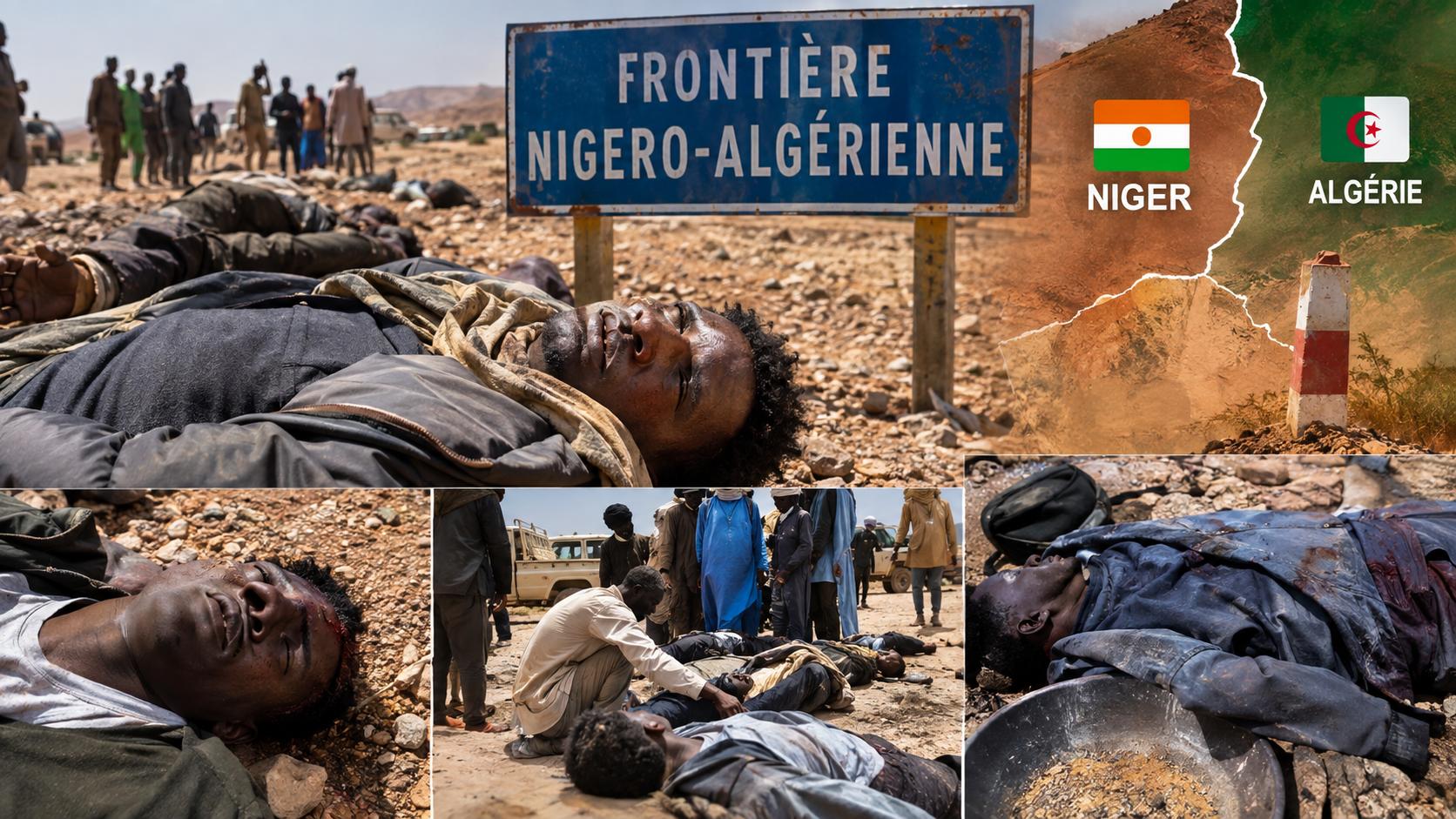
A helicopter gunship belonging to the Algerian air force opened fire on an artisanal gold-mining camp sitting astride the Niger-Algeria frontier, killing at least 48 civilians. The strike was carried out in full daylight, and the toll has left communities across this remote Saharan corridor in shock. In Niger itself, the reaction has been even more striking than the attack: the ruling military junta has yet to utter a single public word about it. Broad daylight over the goldfields: how the raid unfolded The aircraft appeared without warning over a…

Read More

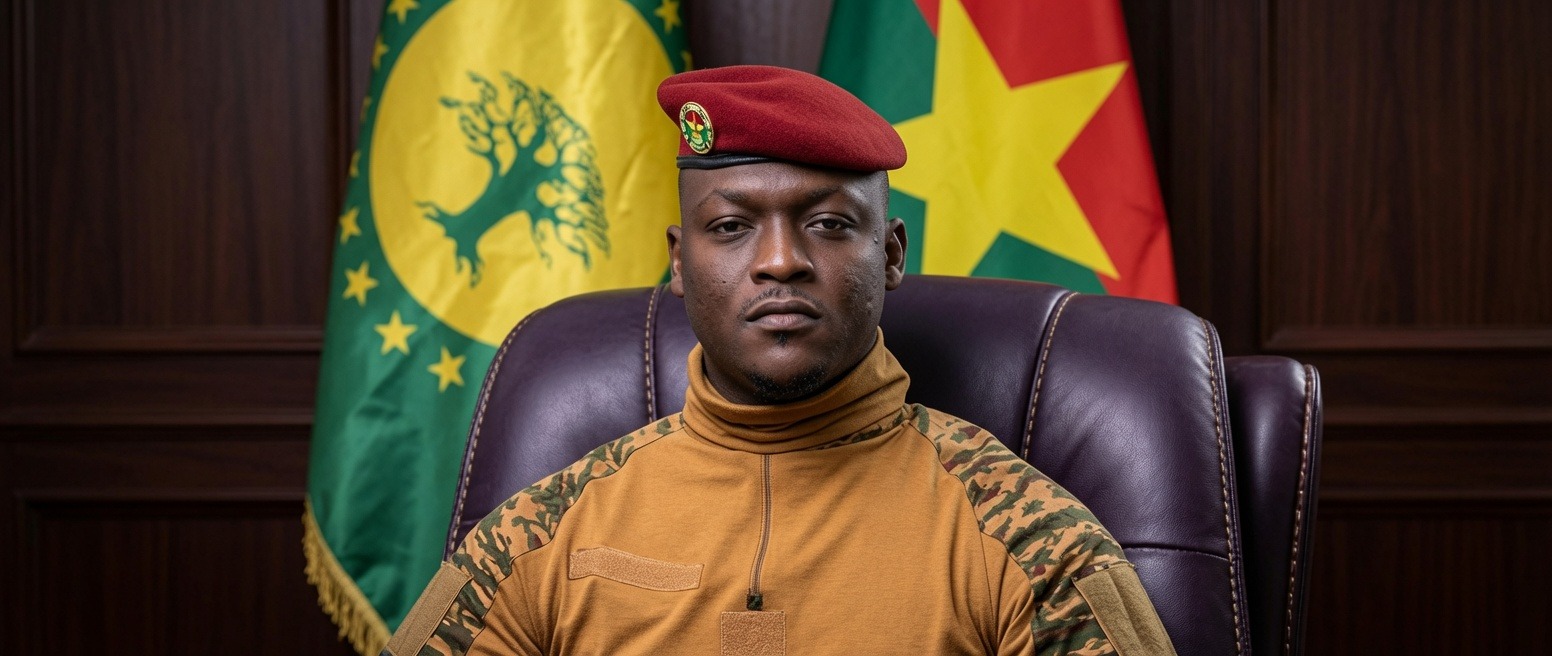
Burkina Faso: the Sankara family, the state and the contest over a revolutionary memory

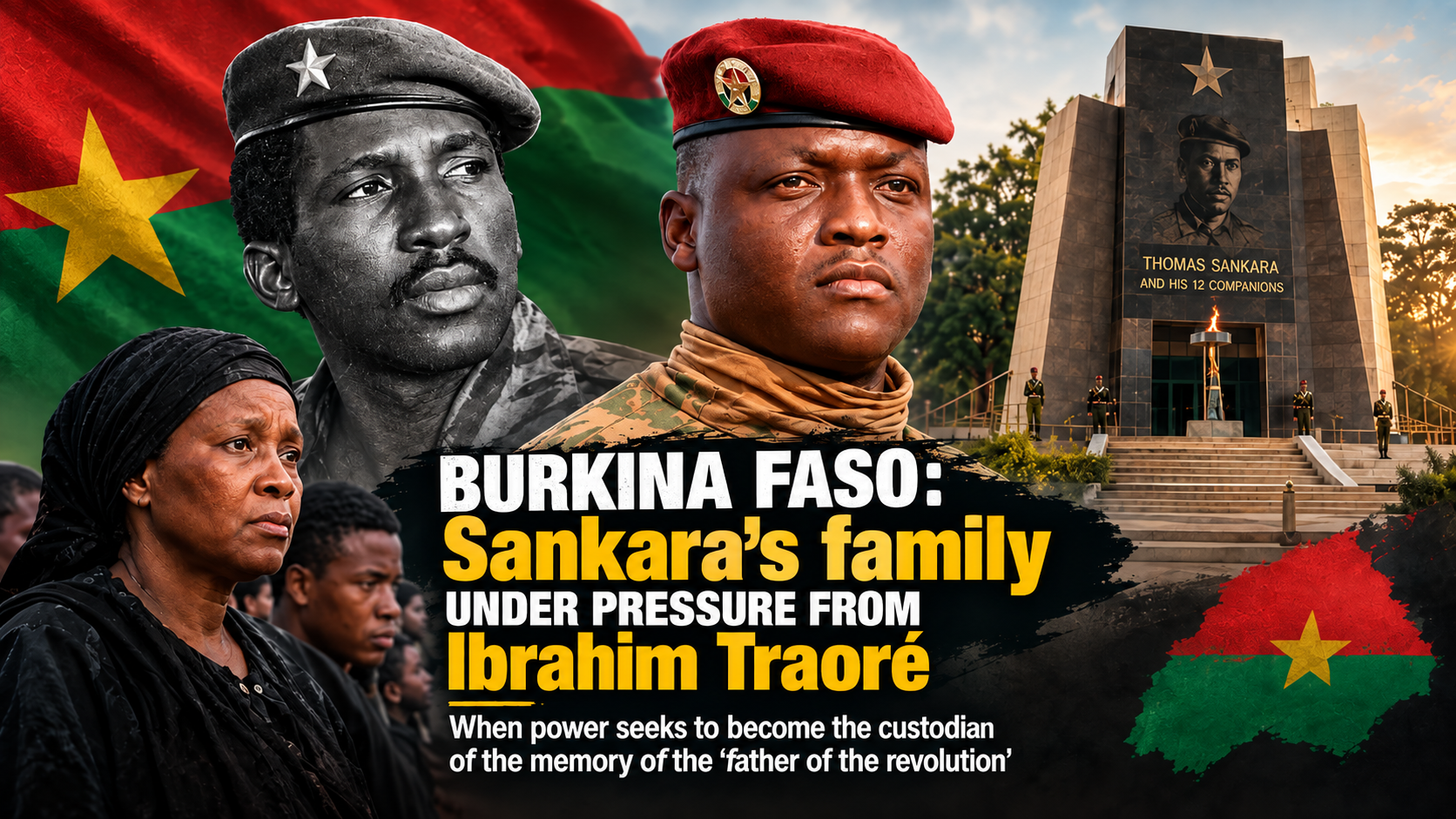
In Burkina Faso, the figure of Thomas Sankara has long since ceased to be a mere chapter of national history. It now occupies a central place in the political narrative advanced by Ibrahim Traoré’s administration. Behind the official tributes, the military ceremonies and the construction of a mausoleum, one question keeps resurfacing: is the present leadership gradually appropriating Sankara’s image in order to consolidate its own legitimacy? The parallel is not merely a matter of outside interpretation. It is visible in the government’s own communication. A legacy claimed by the…

Read More

Gao: 167 civilians executed and 127 motorbikes burned by Africa Corps near the Niger river

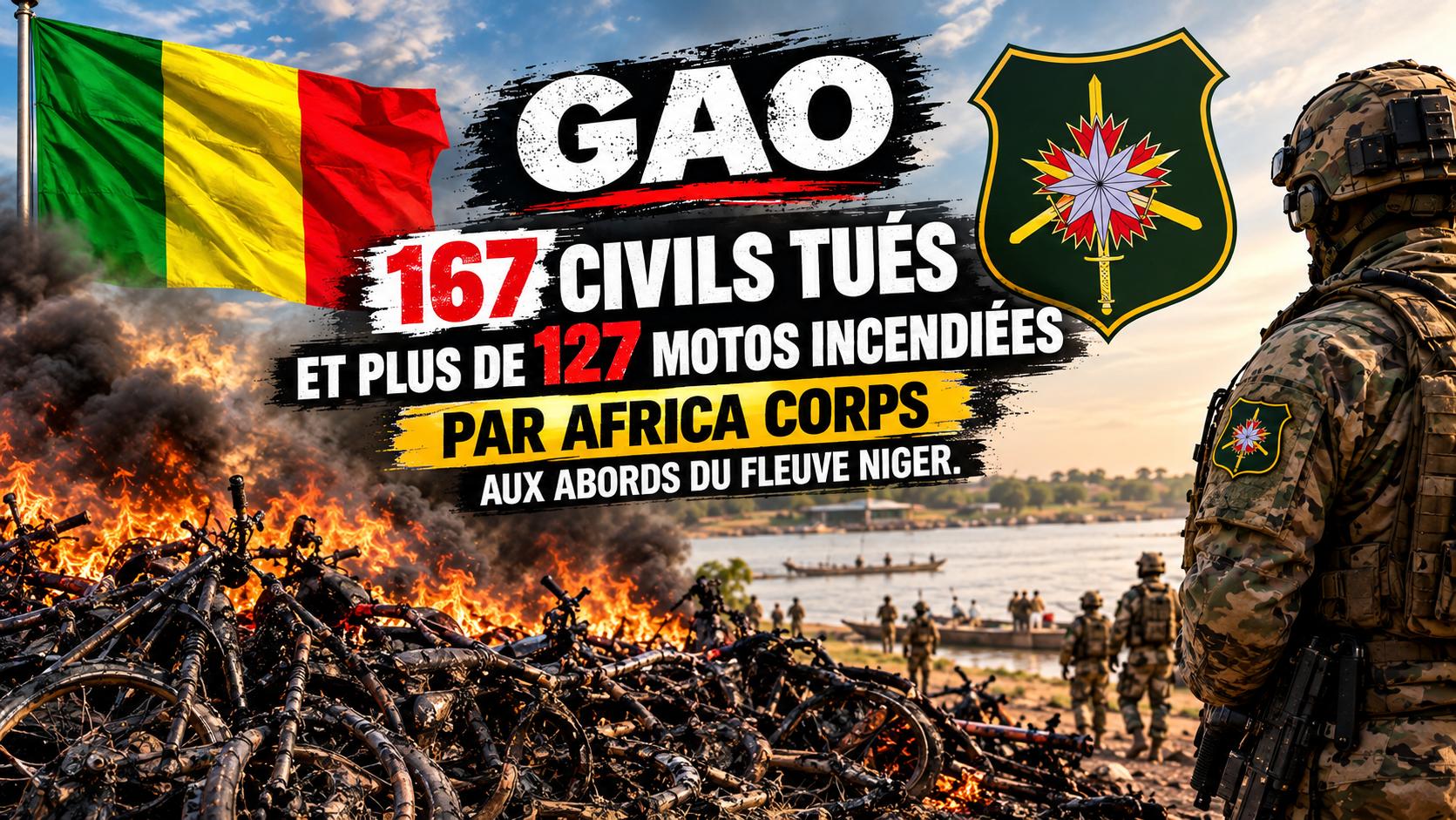
Gunfire and thick black smoke rolled across the outskirts of Gao in the early hours of Tuesday 15 september 2026, as fighters from the russian private militia Africa Corps swept through the settlements that hug the Niger river. By the time the shooting stopped, 167 civilians had been summarily executed and more than 127 motorbikes had been rounded up and set alight. For the riverside communities, this is the most brutal episode yet in a long slide into lawlessness. A dawn assault on the banks of the Niger The sun…

Read More

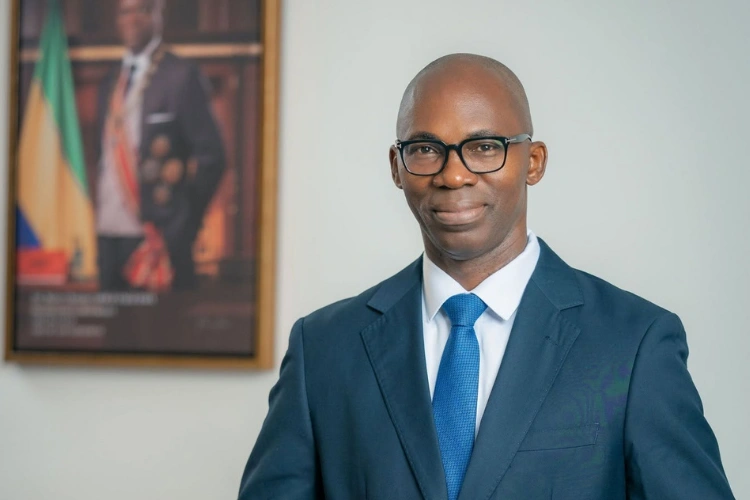
Gabon’s public debt drops below 70% of GDP after audit

Gabon now has a clearer picture of its public debt. Following an audit launched by the state and finalized as of December 31, 2025, the consolidated debt stock stands at 9,524.643 billion CFA francs, down from nearly 11,700 billion at the start of the exercise. The debt ratio now stands at 68.91% of gross domestic product (GDP), compared to 84.6% previously. This revision represents a drop of 15.69 percentage points, bringing the country below the 70% ceiling set by the Central African Economic and Monetary Community (CEMAC). Officially launched on…

Read More