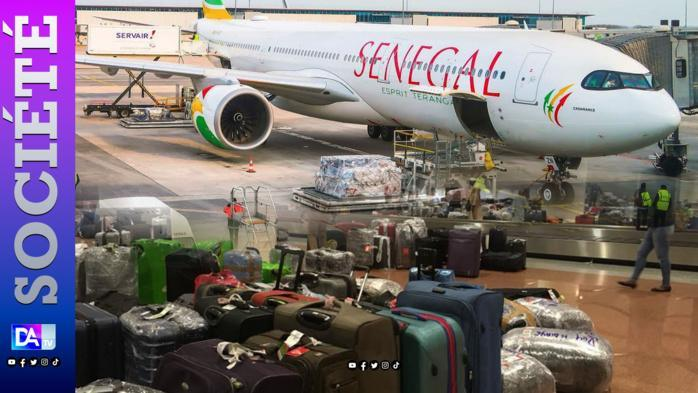
Air Senegal is at a critical juncture as an Interpol-led investigation uncovers alleged smuggling operations involving crew members on key routes. This development marks a decisive turning point for the airline, its passengers, and the broader West African aviation sector.
On September 28, 2026, Air Senegal confirmed it had been formally notified of an ongoing inquiry into suspected illicit activities linked to its flight operations. The investigation centers on commercial flight attendants and stewards who allegedly transported unauthorized goods for a France-based company, receiving compensation in return.
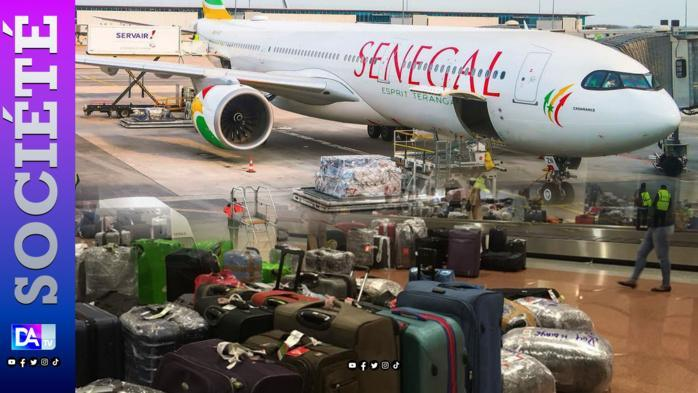
Uncovering the smuggling network
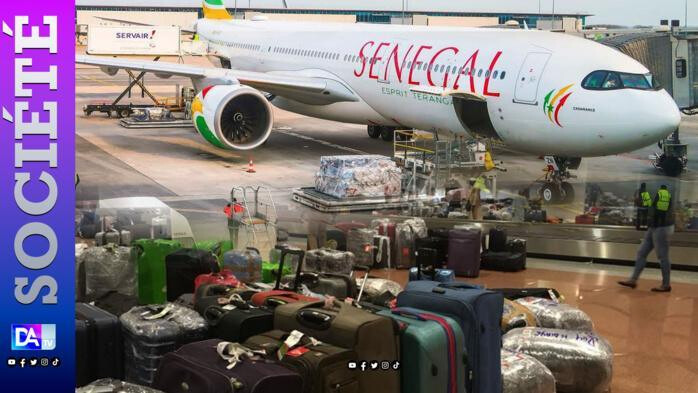
The probe focuses on a structured operation where crew members allegedly facilitated the movement of prohibited items, including vehicle bumpers, oversized luggage, and packages under questionable conditions. One incident has drawn particular scrutiny: a flight attendant was allegedly asked to transport a jar of milk from Paris. Upon inspection, the contents were revealed to be a hard drug.
The individual who handed over the jar became unreachable shortly afterward, complicating efforts to trace the origin of the shipment. Investigators are now working to establish a full chain of responsibility, including the operational gaps that allowed such activities to occur.
Company response and internal consequences
In response to the allegations, Air Senegal’s management has taken immediate precautionary measures. Crew members assigned to the Dakar-Paris-Dakar route now face enhanced scrutiny, as they lacked the required security clearance for handling sensitive cargo.
The airline has distanced itself from claims suggesting financial motives were the sole driver of these actions. While some observers point to low wages as a possible factor, the company maintains that the activities in question extend beyond mere supplementary income.
Past incidents and ongoing risks
This is not the first time Air Senegal has faced such allegations. A prior case involving goods transported from New York led to disciplinary actions against 13 crew members, with some facing temporary flight restrictions. Both incidents highlight systemic weaknesses in cargo handling and passenger screening.
As the investigation continues, the airline has pledged to await final findings before determining any long-term consequences. In the meantime, passengers and industry stakeholders are left questioning the long-term integrity of West Africa’s aviation sector.
What’s next for Air Senegal?
The outcomes of this probe could redefine accountability in African aviation. With Interpol’s involvement, the case has taken on regional significance, raising concerns about the effectiveness of safety protocols across the industry.
The airline now faces a pivotal moment: either reinforce its operational standards and rebuild trust, or risk further damage to its reputation and operational legitimacy.