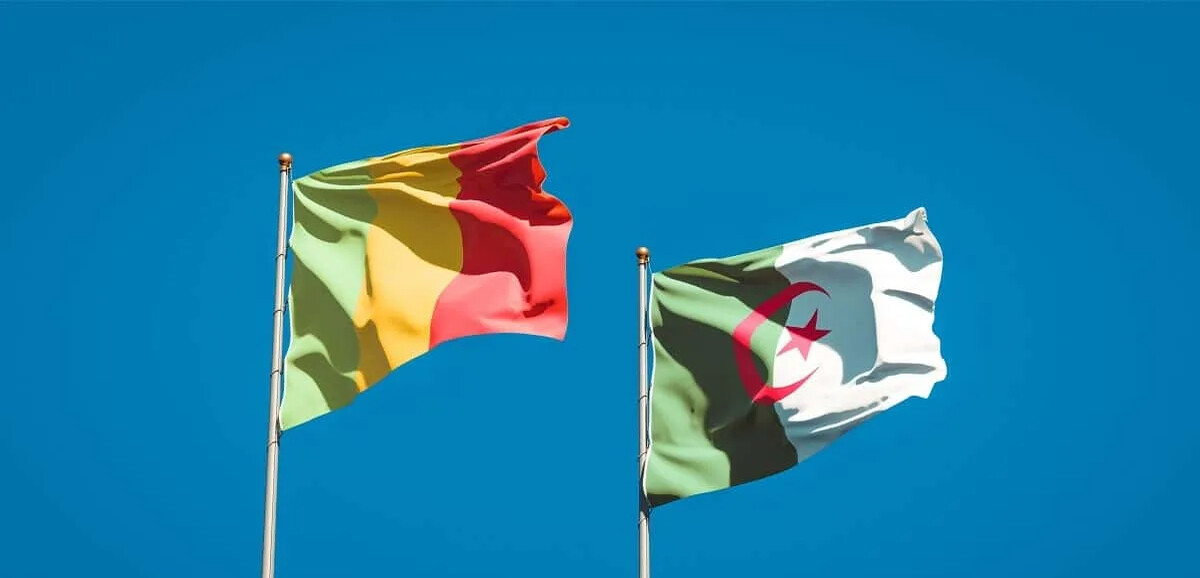
Algeria and Mali end months of dispute with reopening of airspace and embassies
After fifteen months of strained relations, Algeria and Mali have taken a decisive step toward reconciliation. Both nations announced the simultaneous reopening of their airspaces to civilian and military flights, alongside the return of their ambassadors to their respective capitals. This landmark decision signals a thaw in diplomatic tensions that had persisted since early 2025.
From confrontation to cooperation: a year of diplomatic fallout
Alger and Bamako have formally agreed to lift restrictions on air travel between their borders, marking the end of a prolonged period of hostility. Mali confirmed the return of its ambassador to Algeria, who had been recalled in April 2025, while Algeria also announced the reinstatement of its diplomatic envoy in Bamako. These coordinated moves bring an end to over a year of severed ties and mutual distrust.
The drone incident that sparked a crisis
The deterioration of Algeria-Mali relations traces back to April 2025, when Algerian authorities reported the downing of a Malian military drone near their shared border. Algiers claimed the aircraft had violated its airspace, a charge Bamako vehemently denied, asserting the drone was operating within Mali’s sovereign territory. The dispute escalated rapidly, leading to the recall of ambassadors, the closure of air corridors, and a flurry of reciprocal accusations involving Algeria and the Alliance of Sahel States (AES).
Shared challenges overshadow deep-seated disagreements
While tensions have simmered since Mali’s 2020–2021 military takeover—with Bamako accusing Algiers of interference due to its historic role in the 2015 peace accord with northern armed groups—the two countries continue to face pressing security threats from jihadist factions across the Sahel. Additional friction arose from Mali’s public endorsement of Morocco’s autonomy plan for Western Sahara, a stance diametrically opposed to Algeria’s position. Despite these persistent rifts, the reopening of borders and restoration of diplomatic channels reflect a pragmatic acknowledgment of mutual interests in regional stability.