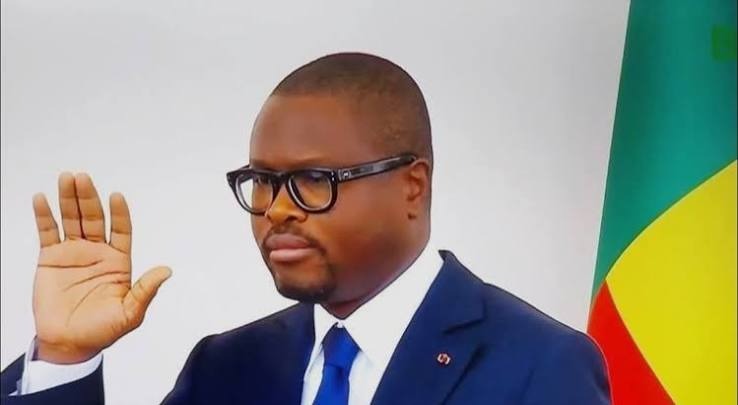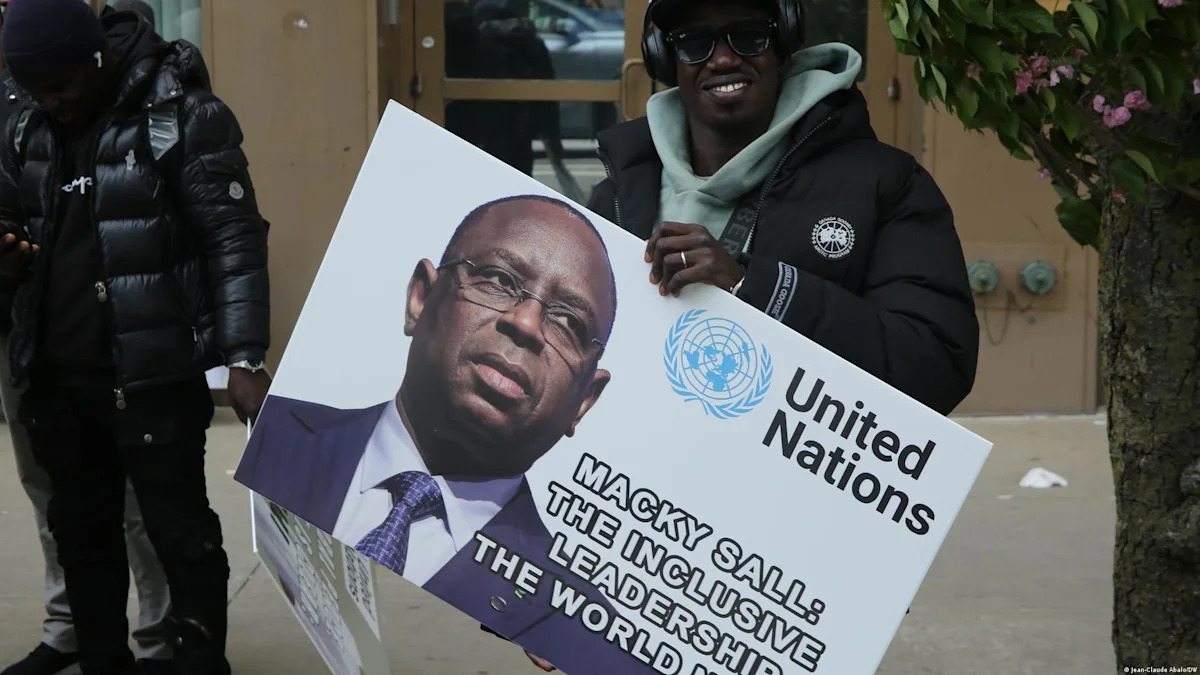
In Senegal, the upcoming meeting between President Bassirou Diomaye Faye and his predecessor Macky Sall has ignited a fierce debate. Sall, who left office in April 2024 after 12 years in power, is expected in Dakar to seek Senegal’s backing for his candidacy for the position of United Nations Secretary-General. However, this visit has deeply divided public opinion and reignited painful memories.
Justice delayed: victims of unrest voice outrage
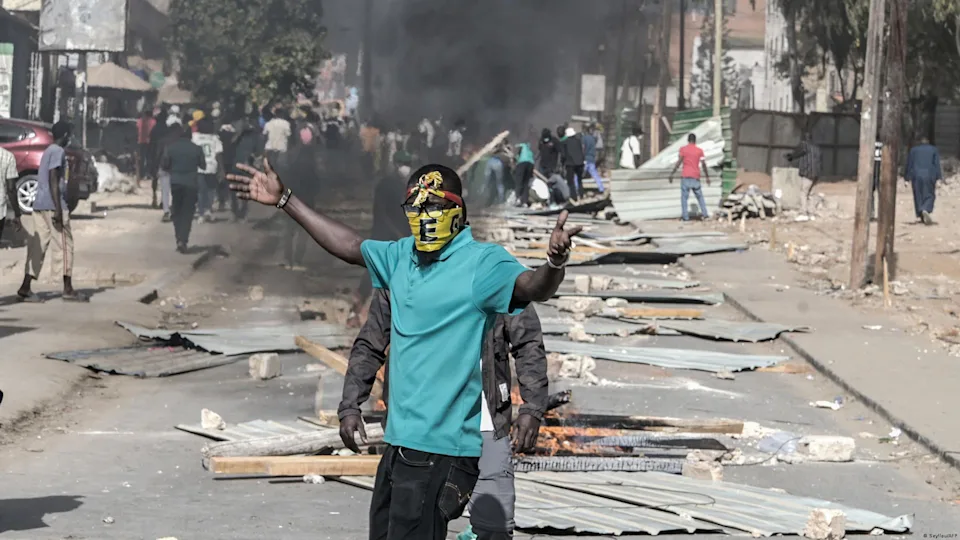
The timing of Sall’s visit could not be more controversial. For families of victims from the 2021–2024 protests, which were met with a heavy security crackdown, the gesture is seen as an affront. Seydi Gassama, who represents 67 presumed victims in their legal pursuit for justice, minced no words in his criticism. “It’s not Macky Sall’s right to return to Senegal that bothers us—he’s a citizen like any other. What shocks us is that President Bassirou Diomaye Faye, despite his campaign promises, has yet to deliver on justice for the victims of Sall’s administration. No trials have been held, no meaningful reparations granted. And now, he’s welcoming Sall with open arms to support his UN bid. This is simply unacceptable.”
During his presidential campaign, Bassirou Diomaye Faye vowed to prioritize justice for victims of state violence. Yet over two years into his presidency, tangible progress remains elusive. Victims’ advocacy groups have expressed frustration over the lack of accountability and delayed compensation, further deepening public distrust in the new administration’s commitment to transitional justice.
Human rights groups condemn impunity
Human rights organizations have also condemned the planned meeting, arguing that Sall’s legacy is incompatible with a leadership role at the UN. Critics point to his administration’s alleged use of excessive force, arbitrary detentions, and crackdowns on dissent as disqualifying factors. “Macky Sall bears heavy responsibility for the suffering endured by countless Senegalese,” Gassama asserted. “Allowing him to return without facing justice sends a dangerous message: that impunity can prevail.”
A political gamble with national implications
Political analysts warn that the meeting could have far-reaching consequences for Senegal’s fragile process of national reconciliation. Assane Samb, a political commentator, suggested that the encounter may signal an emerging political realignment. “Since distancing himself from his original party, Pastef, Bassirou Diomaye Faye appears to be laying the groundwork for a strategic alliance with traditional opposition forces. The goal? To counter the influence of Pastef, which remains a major political force in the country,” he explained.
Can reconciliation survive political maneuvering?
As of now, neither the Senegalese presidency nor Pastef—the party led by opposition figure Ousmane Sonko—has issued an official statement regarding Sall’s anticipated visit. This would mark Sall’s first return to Senegal since his departure from the presidency, a move that comes at a time when his UN candidacy is already facing skepticism. Notably, Senegal was among the African Union member states that opposed his bid in late March, despite Burundi’s nomination of his candidacy.
With tensions simmering between justice, reconciliation, and political strategy, Senegal stands at a crossroads. The meeting between Bassirou Diomaye Faye and Macky Sall is more than a diplomatic gesture—it is a test of the nation’s commitment to healing from the wounds of the past.