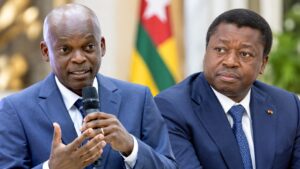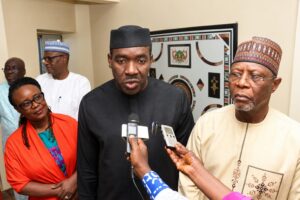
The diplomatic landscape between Benin and Niger is undergoing a notable shift. A high-level delegation from Niamey, led by the Prime Minister, attended the inauguration ceremony of Benin’s newly elected president in Cotonou, signaling a clear intent to move past a prolonged diplomatic chill. This gesture follows months of closed borders, escalating rhetoric, and a disruptive oil dispute that has weighed heavily on the economies of both nations.
Diplomatic thaw gains momentum in Cotonou
Niamey’s decision to send its Prime Minister—rather than a mere ambassador—reflects the significance placed on Benin’s political transition. Since the July 2023 coup in Niger, relations have been strained, with Niamey repeatedly accusing Cotonou of hosting French military bases aimed at undermining its transitional government. Despite mediation efforts by outgoing President Patrice Talon, no lasting reconciliation materialized. The arrival of a new administration in Benin, however, has created an opening that Niamey appears eager to exploit.
This move also reflects a broader regional recalibration. Niger, alongside Mali and Burkina Faso, has withdrawn from the Economic Community of West African States (ECOWAS) and formed the Alliance of Sahel States (ASS). In this context, Niamey is seeking to strengthen its ties with coastal West African nations, balancing political disagreements with pragmatic economic cooperation.
Oil dispute fuels urgency for rapprochement
A critical economic factor underpins this diplomatic overture. The Agadem oil pipeline, operated by the China National Petroleum Corporation (CNPC), connects Niger’s oil fields to the Sèmè-Kpodji terminal in Benin—a 2,000-kilometer infrastructure capable of transporting up to 90,000 barrels per day. For Niger, this pipeline is vital, accounting for a substantial portion of its budgetary revenue.
Tensions escalated after Benin imposed border closures in response to ECOWAS sanctions, followed by disputes over oil loading permits. In early 2024, incidents such as the detention of Nigerien nationals accused of trespassing at the oil terminal further strained relations. For Niamey, restoring normalcy with Benin is no longer just diplomatic—it’s an economic necessity.
Regional dynamics shape Benin-Niger relations
This thaw extends beyond bilateral ties, reflecting a broader realignment in West Africa. Coastal nations are navigating a delicate balance between ECOWAS loyalty and the need to maintain economic ties with Sahelian regimes. Togo has already adopted this middle-ground approach, and Benin’s new leadership may follow suit by separating political disagreements from operational cooperation.
The security landscape adds another layer of complexity. The shared border region, particularly the W and Pendjari national parks, has become a haven for jihadist groups linked to the Islamic State in the Greater Sahara and the Group for Support of Islam and Muslims. Without coordinated intelligence sharing, cross-border security cooperation remains stalled. Whether Benin’s new government will revive military dialogue with Niger remains an open question.
The coming months will determine if this diplomatic gesture translates into concrete actions: full border reopening, resumed oil shipments, and the restoration of full diplomatic missions. Business operators on both sides are demanding clear signals after two years of uncertainty. The Nigerien delegation’s presence in Cotonou suggests a willingness to engage in meaningful dialogue.