Bénin and Togo forge energy alliance to break dependence on foreign suppliers
In the face of chronic vulnerabilities in their external energy supply chains, Bénin and Togo are deepening political and economic ties to secure a sustainable power future. Recent disruptions—including a devastating fire at Ghana’s Akosombo substation in April, which slashed regional power exports by 1,000 megawatts and left both nations scrambling—have exposed the fragility of relying solely on imports.
This isn’t the first time the two countries have faced energy blackouts due to external failures. In 2024, disruptions in the West African Gas Pipeline forced Togo to allocate 31 billion FCFA in emergency funding to offset shortages of Nigerian gas—highlighting a systemic weakness in the Communauté Électrique du Bénin (CEB), established in 1968 but long restricted to mere transit roles without its own production capacity.
The Adjarala Dam: a cornerstone for industrial growth
The urgency has shifted from technical debates to urgent policy action. The Adjarala Dam project on the Mono River stands as the flagship initiative, with a projected investment of 266 billion FCFA to generate 147 megawatts of stable electricity for three decades. Beyond energy, the dam will irrigate 14,700 hectares of farmland in Togo—critical for agricultural productivity. This long-term reliability is non-negotiable for industrial zones like Glo-Djigbé in Bénin, where over $1 billion has been invested in local cotton and cashew processing, and the Adétikopé platform in Togo.
Neither country can afford to be held hostage by the energy whims of neighboring states. A unified market approach is key to strengthening their bargaining power with foreign investors and ensuring steady industrial expansion.
Tapping into domestic savings to fund energy independence
With international lenders increasingly shying away from fossil fuel financing, Bénin and Togo are turning inward—leveraging domestic savings pools to fuel their energy transition. National Social Security Funds (CNSS) and insurance companies, flush with long-term reserves, are being courted to invest in a joint energy bond initiative. These bonds, backed by both governments, could unlock billions in infrastructure funding by redirecting social savings from short-term public debt instruments toward long-term energy projects.
A landmark political alignment
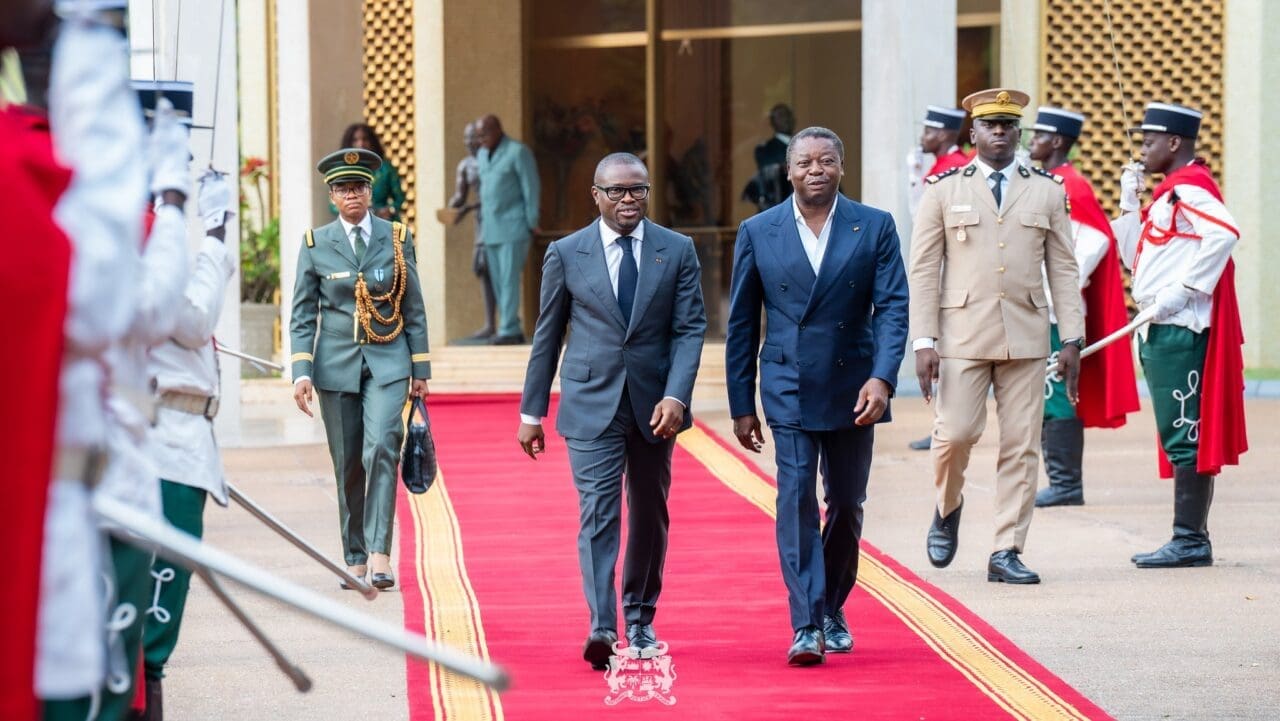
The June 2026 state visit of Bénin’s President Romuald Wadagni to Lomé marked a historic moment in bilateral relations. The joint communiqué outlined a roadmap for economic and infrastructural integration, with Bénin committing to inject 100 megawatts of additional power every two years, while Togo aims for universal electricity access by 2030. This synchronized political vision signals a decisive break from past inertia and offers a rare window to achieve long-awaited energy autonomy.