A joint expert committee has breathed new life into the stalled negotiations between Benin and Niger by proposing a framework for reopening their shared border. While progress has been made on security protocols, transit regulations, and key legal and economic frameworks, Niamey has set three non-negotiable conditions that must be met before a political agreement can be ratified. The implications of this diplomatic thaw could reshape trade flows, regional stability, and economic recovery for both nations.
Three critical, non-negotiable demands
Niger’s leadership has outlined three stringent prerequisites that must be satisfied before the border can be reopened. These demands reflect deep-seated concerns about security and sovereignty that have persisted since the military leadership assumed power in Niamey following the July 2023 coup.
- Mutual non-aggression pact: The first condition requires Benin to formally commit to a defense and security agreement that explicitly prohibits either nation from using its territory as a base for destabilizing the other. The move is viewed as a foundational step toward rebuilding trust after years of heightened tensions.
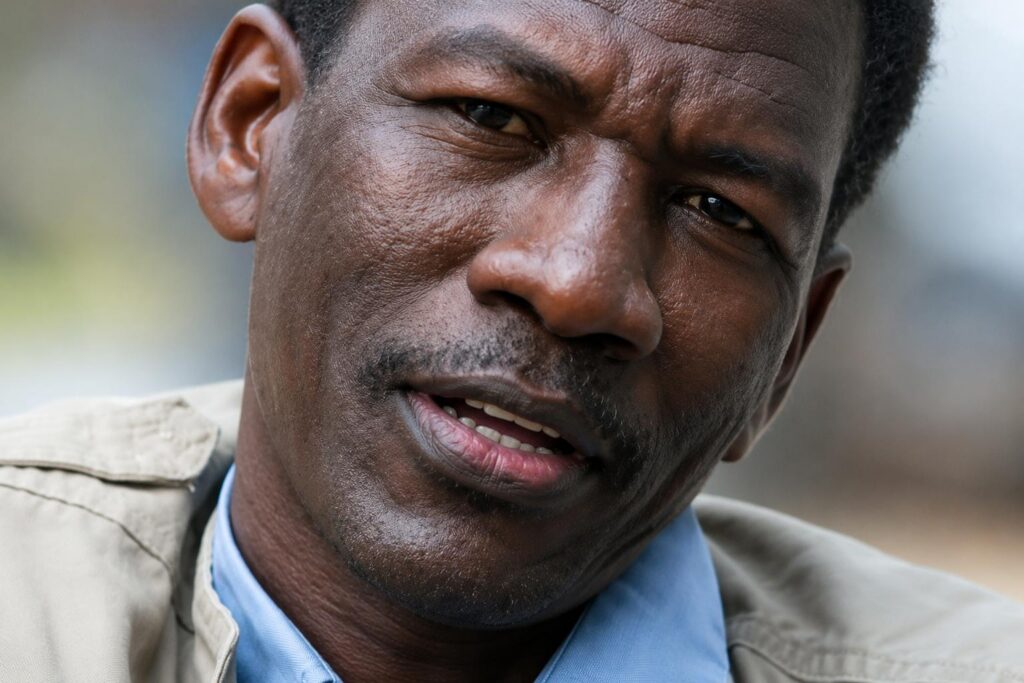
Régis Hounkpè, senior analyst and executive director of InterGlobe Conseils, underscores the necessity of this pledge: « Of course, Benin will not attack Niger, just as Niger will not attack Benin. This is standard protocol, but given the context of three years of strained relations, it takes on particular significance. The challenge now lies in how these commitments will be implemented in practice. Both Beninese and Nigerien officials are working to ensure this non-binding but critical clause is upheld. »
- Enhanced intelligence sharing: The second condition calls for the establishment of a joint intelligence cell to facilitate real-time information exchange, particularly concerning terrorism and cross-border trafficking. Hounkpè emphasizes the mutual benefits of such collaboration, noting that « ensuring both nations are protected from destabilization within this framework is essential. »
- Transparency on foreign military presence: The final demand revolves around full disclosure of any foreign military forces or installations on the Beninese side near the border. Hounkpè contextualizes this as a matter of national sovereignty: « President Wadagni has repeatedly affirmed Benin’s sovereignty in choosing its international partnerships. Whether with France, China, Russia, Turkey, or an African ally, Benin is free to engage militarily or otherwise, provided it does not leverage these alliances to undermine Niger’s stability. Pragmatically, there is no benefit to igniting conflict beyond one’s own borders. »
Economic ripple effects of a closed border
The persistent closure of the Benin-Niger border has exacted a heavy toll on both economies, with Niamey bearing the brunt of the disruption. As a landlocked nation, Niger relies on Benin as its primary maritime gateway, with nearly 70% of its imports—including fuel, construction materials, and food staples—transiting through the Cotonou port. The detours via Nigeria and Togo have not only extended travel distances but also inflated logistics costs by 30% to 50% over the past three years.
The stakes are even higher for the Niger-Benin oil pipeline, a 2,000-kilometer conduit connecting Agadem’s oil fields to Sèmè-Kpodji. The suspension of crude exports has deprived Niger of anticipated revenues, while Benin has lost transit fees on oil shipments. With the pipeline designed to export approximately 90,000 barrels daily, each delayed cargo represents a multimillion-dollar loss that neither country can afford.
Benin, too, is grappling with the fallout. The congestion at the Port of Cotonou and along key transit routes has slashed customs revenues by up to 60% in some sectors, while the decline in overland trade has crippled transport, wholesale commerce, and logistics enterprises. To mitigate losses, Beninese authorities have redirected goods to alternative markets, risking the erosion of its regional hub status to competitors like Togo and Nigeria.
Human cost: From trade disruptions to social hardship
The border closure has reverberated far beyond trade, severely impacting local communities. In border towns like Malanville (Benin) and Gaya (Niger), market vendors report a 50% drop in customer traffic, forcing many shops to close and leaving traders unemployed. The shift to longer, costlier routes has driven up prices for essential goods, with shortages reported in both countries. Families separated by the closure face mounting challenges, and vulnerable groups are slipping into precarious conditions, fueling the rise of smuggling networks and extortion.
The humanitarian strain is compounded by security risks. Travelers attempting river crossings—often the only alternative to the blocked land route—face heightened danger, while isolated communities struggle to access healthcare, education, and basic services. The economic and social fractures have created fertile ground for illicit activities, undermining regional stability.
A pragmatic path forward
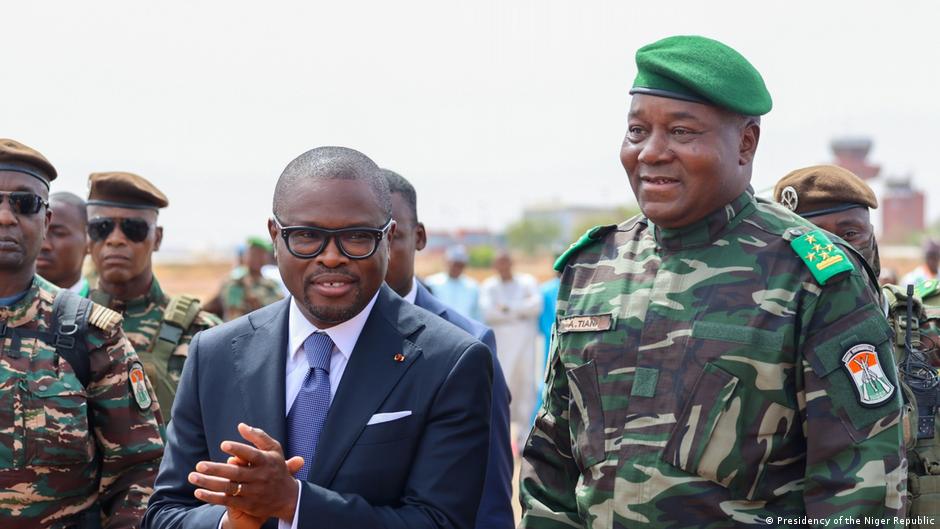
The diplomatic impasse began to thaw with the election of Beninese President Romuald Wadagni, who prioritized restoring dialogue shortly after taking office. His June 2, 2026, visit to Niamey marked a turning point, culminating in the formation of the joint expert committee. According to Hounkpè, the two leaders are increasingly recognizing that « geography dictates cooperation. They have no choice but to coexist and collaborate for survival—economically, logistically, and in the fight against terrorism. »
A phased reopening of the border is the most plausible outcome, with priority given to essential goods under enhanced monitoring. If successful, this détente could set a precedent for cooperation within the Alliance of Sahel States (AES) and the Economic Community of West African States (ECOWAS), much like the recently revived economic dialogue between Mali and Côte d’Ivoire.
Hounkpè remains cautiously optimistic: « The presidents are engaging in pure geopolitics, but their focus must shift to the essentials—economic survival, logistical efficiency, security, and counterterrorism. Ideological divides must be set aside in favor of pragmatic solutions. »