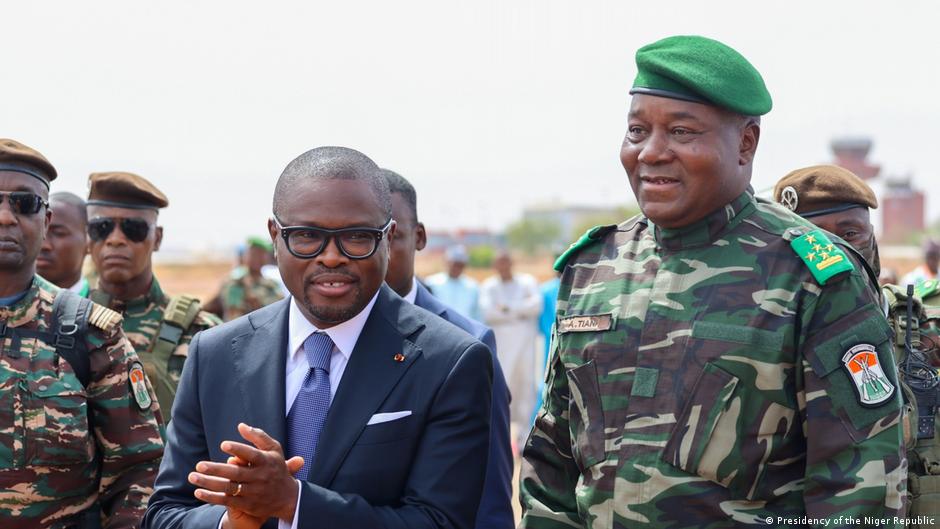
A joint expert committee has breathed new life into stalled negotiations between Benin and Niger, sparking cautious optimism over the potential reopening of their shared border. After three years of closure, the committee’s report outlines progress on security protocols, transit regulations, and trade frameworks—though unresolved demands from Niamey could still delay final approval.
Three non-negotiable demands from Niamey
The Nigerien government has set strict prerequisites for any border reopening, emphasizing sovereignty and mutual security. These include:
- A formal defense pact with Benin, explicitly banning aggression and prohibiting either nation from hosting groups that might destabilize the other.
- Establishment of a joint intelligence-sharing cell to monitor cross-border threats, including terrorism and illicit trafficking.
- Full transparency regarding foreign military presence near the border, particularly partnerships involving Western nations.
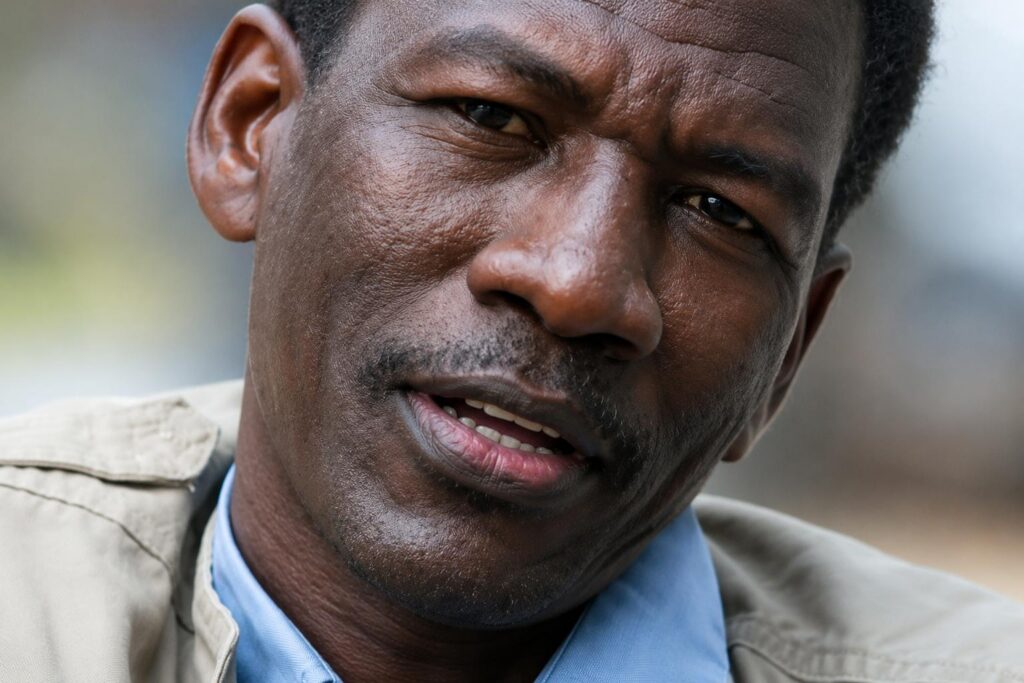
“This isn’t radical—it’s basic diplomacy,” notes Régis Hounkpè, executive director of InterGlobe Conseils. “The real challenge lies in implementation. Both countries must ensure these commitments aren’t just symbolic.”
Economic fallout of the blockade
The closed border has crippled trade flows for both nations. Niger, a landlocked country, relies on Benin for 70% of its imports, including fuel and construction materials. The suspension of the 2,000km Agadem oil pipeline—designed to export 90,000 barrels daily—has cost Niamey millions in lost revenue. Meanwhile, Benin faces congestion at the Port of Cotonou and a 30–50% spike in logistics costs, forcing trade rerouting to Togo and Nigeria.
Benin’s transit fees and logistics sector have suffered losses of up to 60%, while consumers endure shortages and inflated prices for staples like rice. Communities along the border, such as Malanville and Gaya, report plummeting trade activity, shuttered businesses, and severed family ties due to restricted mobility.
Shared stakes in regional stability
Analysts argue the crisis transcends politics. “Geography dictates cooperation,” Hounkpè asserts. “Both presidents must prioritize economic survival over ideological divides.” The recent election of Benin’s Romuald Wadagni—who visited Niamey in June 2026—reignited dialogue, with a phased border reopening expected to prioritize essential goods under heightened monitoring.
If successful, the thaw could serve as a model for the Economic Community of West African States (ECOWAS) and the Alliance of Sahel States (AES), mirroring recent détente between Mali and Côte d’Ivoire.