A ranking that prompts debate, not despair
Benin’s 19th-place finish in Africa for tourism development has ignited widespread public discussion about the country’s capacity to rival the continent’s leading destinations. The Travel & Tourism Development Index, produced by the World Economic Forum, evaluates infrastructure quality, business environment, connectivity, and sector sustainability. For a nation whose cultural and historical assets are widely celebrated, this mid-table position has become a focal point: the underlying potential is clear, but the ecosystem evidently requires profound structural reform.
The 2027 blueprint: a 600 billion FCFA response to skeptics
Instead of treating the ranking as a final judgment, Benin’s government is orchestrating an unprecedented financial commitment. Approximately 600 billion CFA francs have been allocated to the tourism sector for 2027 — a substantial sum aimed squarely at the shortcomings identified by international evaluations.
- Infrastructure and museum expansion: Funds to complete and operate major museum projects, such as the Museum of the Kings and Amazons of Abomey, the Museum of Memory and Slavery in Ouidah, and the Cotonou Art Museum.
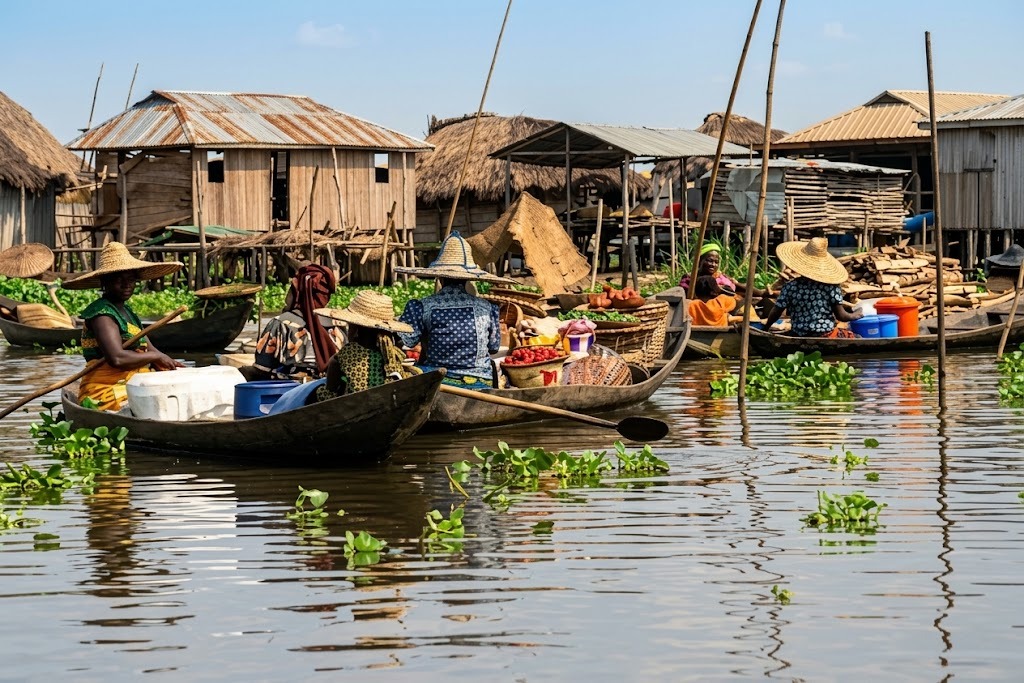
- Site rehabilitation: Upgrading iconic tourist circuits, including the stilt village of Ganvié and the Slave Route.
- Hospitality and skills development: Bolstering the hotel sector, training local operators, and improving logistical access.
Potential economic repercussions
The declared aim of this capital infusion is to raise tourism’s contribution to 13% of GDP by 2030, up from a share that is still stabilizing. If achieved, this would transform Benin’s 19th-place African ranking into a catalyst, positioning cultural and tourism investment as a second sustainable driver of national growth. Yet the announcement has also sparked debate: can the funds be absorbed efficiently, and will the benefits extend beyond the major sites?
Public reactions and future prospects
Public response has been varied. Some observers view the 2027 allocation as a long-overdue acknowledgment of tourism’s economic significance, while others doubt whether infrastructure spending alone can bridge the sector’s structural gaps. The coming years will reveal whether Benin can turn its heritage wealth into a competitive, sustainable industry — and whether the 600 billion FCFA becomes a true turning point or merely a headline number.