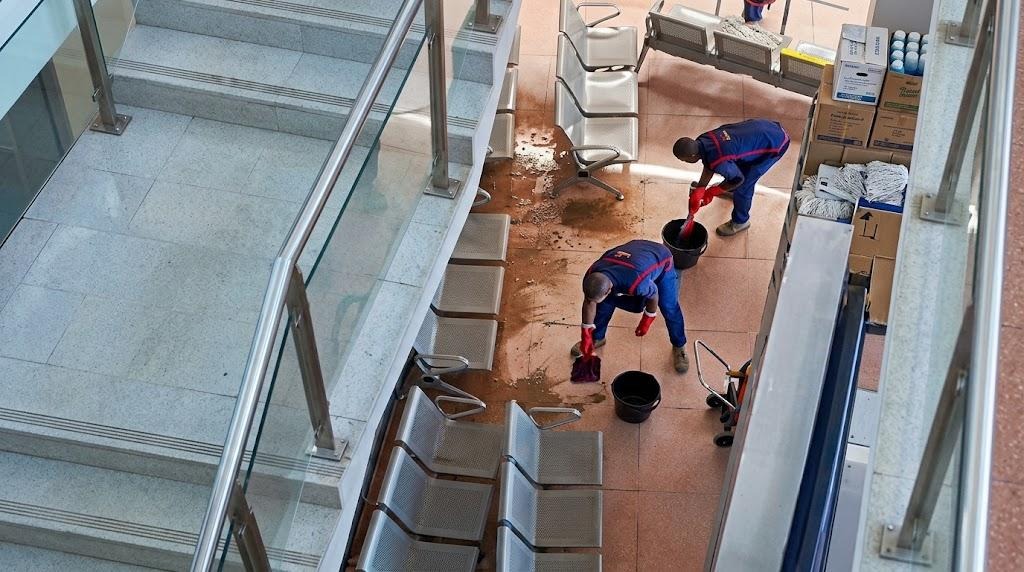
LOMÉ — The fallout from the catastrophic sewage pipe explosion at Lomé’s Gnassingbé Eyadéma International Airport is only beginning to be understood, but the public debate is already raging. What started as an ordinary afternoon at the terminal descended into a full-blown sanitary disaster, and now questions are piling up faster than the cleanup crews can pump out the filth. The incident has sparked widespread indignation, with calls for accountability and urgent action to prevent a repeat.
How the rupture unfolded and what it exposed
Reports from the scene indicate that the main sewage evacuation pipe—an aging conduit running above the central hall’s false ceiling—gave way under years of neglect and insufficient maintenance. The failure was not a minor leak: built-up decomposition gases and hydraulic pressure caused the pipe to explode, sending a shockwave that tore down ceiling panels. A torrent of fecal matter, toxic effluents, and foul sludge rained onto the crowded terminal below. Panic broke out instantly. In the check-in and transit areas, shock turned to terror and disgust.
Travelers caught in the crossfire: humiliation in transit
The human and psychological toll is staggering. Dozens of local users, but especially many foreign passengers transiting to West Africa and Europe, were directly hit by the spray. Entire families, business travelers, and tourists were covered in excrement from head to toe.
“We were waiting for our connection to Paris when we heard a detonation above our heads, then the ceiling collapsed with a terrifying crash. In a split second, a black, foul mass engulfed us. I had it in my eyes, on my face, all over my clothes,” recounted a European passenger, still trembling and in tears, wrapped in a makeshift survival blanket.
The psychological shock is immense. Beyond material losses—soiled carry-on bags, destroyed passports, and ruined electronics—the humiliation suffered by these travelers trapped in an international facility has triggered a massive wave of outrage. Several diplomats and foreign nationals affected have criticized the lack of immediate assistance, as emergency services took long minutes to respond due to the general panic and the suffocating odor that filled the terminal.
Epidemic risk and total paralysis of the air hub
The situation quickly escalated into a national medical emergency. The fecal matter stagnated in a closed, air-conditioned space, and the ventilation system spread the miasma, posing a critical infectious risk. Health workers rushed to the scene fear the spread of highly pathogenic bacteria such as E. coli, cholera, and typhoid fever.
Emergency teams attempted to set up a decontamination perimeter, but the undersized equipment quickly proved inadequate. Surreal scenes unfolded on the tarmac and in front of the airport, where dazed passengers tried to rinse off with bottled water provided by locals and shopkeepers shocked by the scene.
Meanwhile, material damage to the infrastructure proved catastrophic. Wastewater seeped into technical ducts, causing a chain of short circuits and knocking out computer servers, security gates, and baggage handling. The Civil Aviation Authority was forced to order the complete closure of the airport and divert all incoming flights to nearby airports in Cotonou and Accra, throwing the regional air network into chaos.
Anger mounts: the scandal of failed maintenance
As cleaning crews in biological protection gear desperately try to pump out thousands of liters of effluent and disinfect the halls, anger is rising in Togo and internationally. How could an airport hub meant to meet international safety and hygiene standards descend into such a disaster?
Internal sources, speaking anonymously, reveal that repeated warnings about the deteriorating piping networks and the inability of the lift pumps had been sent to technical management over recent months. These warnings allegedly went unheeded, buried under budgetary trade-offs and criticized management.
Affected international airlines are already preparing collective legal action and demanding official explanations, while embassies of several countries whose nationals were directly soiled and stranded are following the case with extreme seriousness. For the country’s image and economic attractiveness, the blow is devastating.
An unprecedented image crisis for Togo
This event, with its unprecedented brutality, lays bare gaping flaws in the maintenance of the country’s major public infrastructure. Beyond the immediate disaster management and decontamination, the Togolese government faces a major crisis of confidence.
Users and foreign victims, traumatized by this day of hell, are demanding not only compensation commensurate with the moral and physical harm suffered but also exemplary sanctions against those responsible for this sanitary disaster. Lomé airport, once a showcase of national modernity, is now a bitter symbol of technical neglect whose consequences spilled out for the whole world to see.