After another showdown, Senegal’s constitutional council faces a pivotal ruling
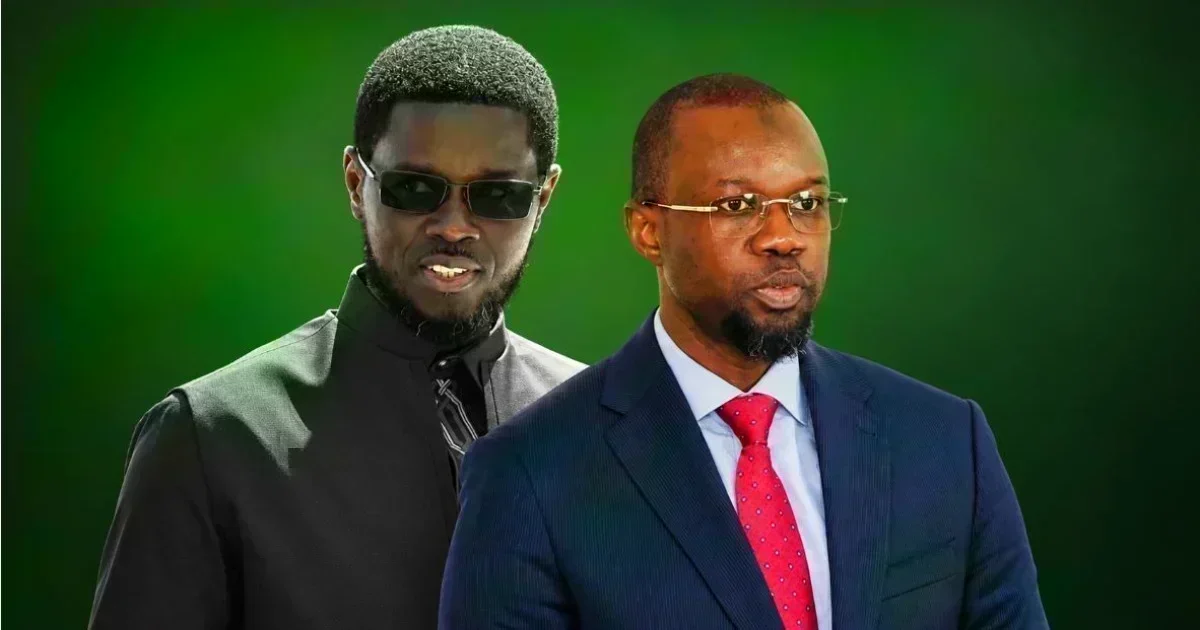
The latest chapter in Senegal’s ongoing budget transparency saga has reached a critical juncture. On October 1, 2026, the National Assembly, led by opposition leader Ousmane Sonko, pushed through a controversial organic law reforming special funds despite fierce resistance from President Bassirou Diomaye Faye’s administration. Now, the constitutional council must weigh in—again—on a dispute that has exposed deep divisions over executive power, fiscal oversight, and the limits of parliamentary authority.
How Senegal’s parliament defied the executive on special funds
Lawmakers from Sonko’s Pastef coalition advanced a revised version of organic law no. 38/2026, aimed at tightening oversight of special funds—often criticized as opaque presidential discretionary accounts. The government had previously blocked a similar attempt in August, when the constitutional council struck down the first proposal, citing procedural flaws and constitutional overreach. Undeterred, Sonko’s bloc returned with a revised text, only to face another round of government opposition.
The core of the disagreement lies in the nature and control of these funds. The parliamentary version sought to restrict their use to defense, security, and diplomacy—mirroring the council’s earlier concerns. However, the administration argued that such a narrow definition would undermine the president’s constitutional mandate to address national emergencies, including social welfare crises.
Me Moussa Sarr, Senegal’s Minister of Justice, defended the government’s position in parliament, emphasizing that transparency should not come at the cost of presidential prerogatives. He proposed integrating special funds into the broader constitutional budget allocations, citing regional directives from UEMOA that limit the creation of new budgetary categories. The minister also pushed back against expanded parliamentary oversight, warning that real-time audits by the finance committee would encroach on the constitutional role of the Court of Auditors.
Government deploys constitutional tools to block reform
In a strategic move, the executive invoked the constitutional provision for a blocked vote, forcing lawmakers to accept or reject the entire text with only government-approved amendments. The maneuver, though constitutionally valid, was rejected by the National Assembly, which voted to preserve its original version of the law. The stage is now set for a high-stakes legal showdown at the constitutional council.
The council’s decision will hinge on several key questions: Does the revised law respect the constitutional framework governing public finances? Does it comply with UEMOA’s budgetary directives? And most critically, does it strike the right balance between transparency and executive authority?
What’s next for Senegal’s budget transparency fight
The constitutional council’s ruling could reshape the balance of power between Senegal’s presidency and parliament. If the judges side with the government, the special funds will remain under executive control, subject only to limited parliamentary scrutiny. If they uphold the parliamentary version, the reform could pave the way for stricter fiscal oversight—though the government may still find ways to challenge its implementation.
Beyond the legal outcome, the dispute has fueled public debate over fiscal accountability in Senegal. Critics argue that special funds have long operated as a shadow budget, enabling unchecked spending. Supporters of the reform, including Sonko’s allies, see it as a necessary step toward restoring trust in public institutions. As the constitutional council prepares to deliberate, Senegal’s political class—and its citizens—are left to wonder: Will this be the final word, or just another round in a protracted institutional tug-of-war?