The year 2025 marks a historic turning point for the healthcare system in Burkina Faso. Despite persistent national challenges in security and economic stability, the country has achieved remarkable progress across medical infrastructure, specialized care, and financial accessibility of health services.
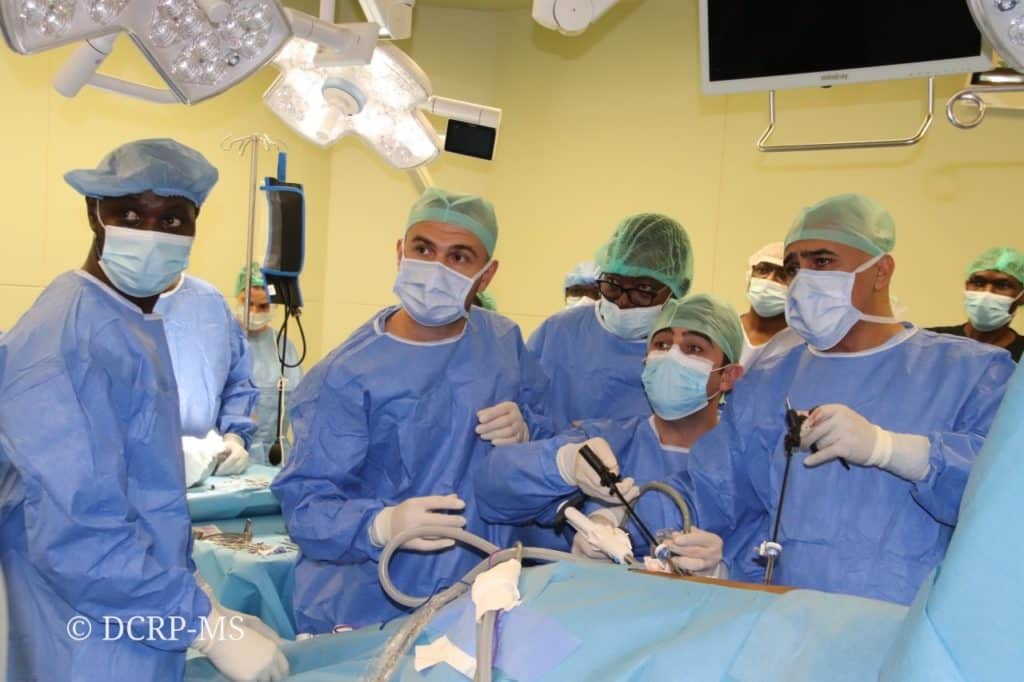
In a groundbreaking achievement, Burkina Faso performed its first-ever kidney transplant in 2025. This landmark procedure, executed at the Tengandogo University Hospital Center (CHU) through collaboration between Burkinabè and Turkish medical teams, signifies a major leap forward in treating renal failure.
This medical milestone is expected to significantly reduce the country’s reliance on international medical evacuations—a long-standing necessity for patients requiring such complex care.
Expansion of specialized surgical interventions
Another significant milestone was achieved in Kaya, within the Kuilsé region. A medical team led by neurosurgeon Dr. Lassané Taoko, with support from anesthetist Dr. Fabrice Lompo, successfully performed delicate brain tumor surgery. This operation underscores the growing capacity for advanced specialized surgery nationwide.
New healthcare infrastructure delivers transformative care
The year also saw the inauguration of the Pala University Hospital Center (CHU), equipped with state-of-the-art technology. This new facility substantially enhances the availability of specialized medical services in its catchment area.
Additionally, the hemodialysis center in Gaoua opened in 2025, directly addressing the rising demand for renal disease treatment in the Djôrô region.
Financial accessibility reforms ease patient burden
Significant strides were made in making healthcare more affordable. Authorities reduced costs for key diagnostic imaging services in public hospitals: the price of a CT scan dropped from 50,000 FCFA to 25,000 FCFA (a 50% reduction), while MRI costs fell from 100,000 FCFA to 40,000 FCFA (a 60% reduction).
In hemodialysis, the initial deposit requirement of 500,000 FCFA was eliminated, easing financial barriers for patients and enabling earlier detection and treatment of serious illnesses.
Public health campaigns yield positive impact
Preventive health initiatives continued to gain momentum. The national seasonal malaria chemoprevention campaign reached nearly all children aged 3 to 59 months, helping reduce severe cases and deaths from this endemic disease. Concurrently, efforts to combat maternal and neonatal mortality were strengthened through improved death surveillance and prevention mechanisms.
Structural reforms strengthen long-term health resilience
Broader systemic changes were also implemented, including the reinforcement of primary healthcare, gradual digitalization of community health services, and intensified prevention policies—such as stricter tobacco control regulations.
While challenges remain, 2025 stands as a year of tangible progress for Burkina Faso’s health sector. These developments reflect a clear commitment to building a more inclusive, resilient, and patient-centered healthcare system.