The recent dissolution of 118 NGOs and associations in Burkina Faso has triggered sharp condemnation from human rights advocates. Ousmane Diallo, Senior Sahel Researcher at Amnesty International’s West and Central Africa Regional Office, expressed deep concern over what he describes as a blatant violation of the constitutional right to freedom of association in the country.
« This sweeping move directly contradicts Burkina Faso’s Constitution, which explicitly upholds the freedom of association and trade union rights, » Diallo stated. « Furthermore, it disregards the nation’s international human rights obligations, including commitments under the African Charter on Human and Peoples’ Rights and the International Covenant on Civil and Political Rights, both of which Burkina Faso has ratified. »
This crackdown is part of a coordinated strategy to suppress civil society through repressive measures, choking off the vital role these organizations play in defending human rights and upholding the rule of law.
Ousmane Diallo, Senior Sahel Researcher, Amnesty International
Diallo emphasized the indispensable role of civil society in safeguarding human dignity and democratic principles. « Authorities must reverse this decision immediately, » he urged. « These organizations must be allowed to operate without fear of retaliation, intimidation, arbitrary detention, or baseless prosecutions. The systematic erosion of civic space and human rights violations must stop. Burkina Faso must honor its international commitments and restore respect for fundamental freedoms. »
Why the dissolution of NGOs in Burkina Faso raises serious concerns
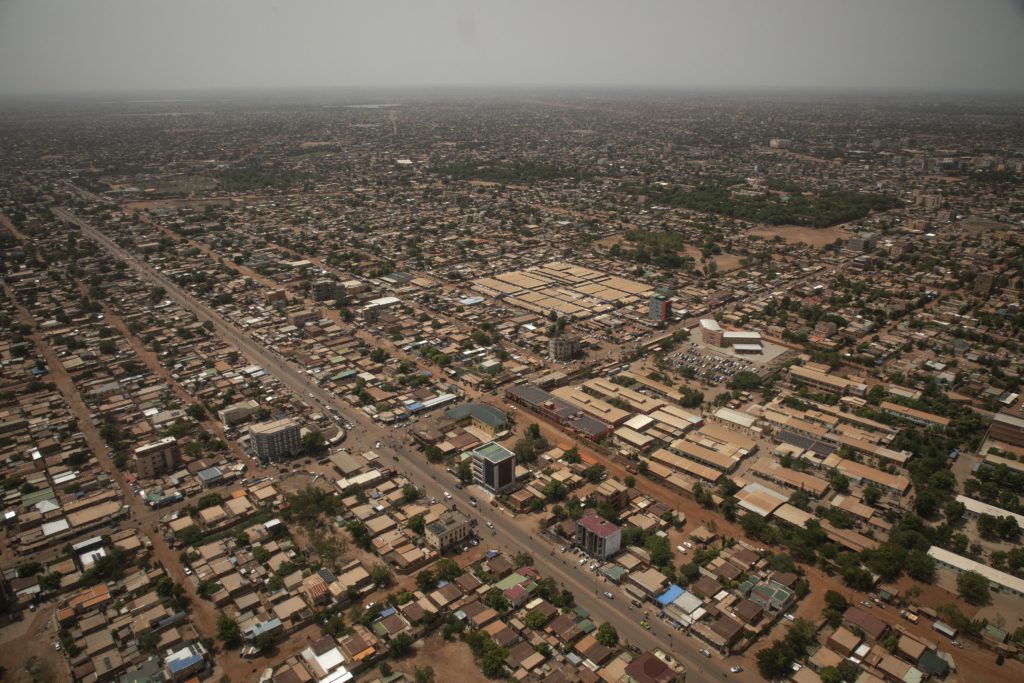
On April 15, 2026, Burkina Faso’s Ministry of Territorial Administration and Decentralization announced the forced dissolution of 118 NGOs and associations, citing vague « compliance with current legal provisions » as justification—without offering further explanation.
This drastic action follows a series of concerning developments. In January 2026, all political parties were dissolved after a three-year suspension. Earlier, in November 2025, a presidential decree mandated that all national and international NGOs close their commercial bank accounts and transfer their funds to a newly established state-controlled bank within the public treasury. This move has raised fears of arbitrary fund freezes, financial surveillance, and targeted sanctions.
The political landscape has also shifted dramatically. Following two military coups in January and September 2022, Burkina Faso has been under military rule. A planned transition to civilian governance—originally set for July 2, 2024—was indefinitely postponed in May 2024, extending military rule by five years.