The arrest of imam Mohamed Kindo in Burkina Faso has ignited fierce debate over a controversial government bill aimed at regulating religious practices in the country. The incident follows similar cases in recent weeks, including the detention of imam Mahmoud Barro in Bobo Dioulasso and the mysterious death of cyber-activist Mahamadi Baguian during police custody in Ouagadougou.
Controversial legislation fuels unrest
The proposed law, adopted by the Council of Ministers on March 19, seeks to restrict religious freedom by banning worship practices in public spaces such as government offices, hospitals, and military barracks. The move has drawn sharp criticism from Sunni Muslim communities, with imam Kindo emerging as a vocal opponent of the measure.
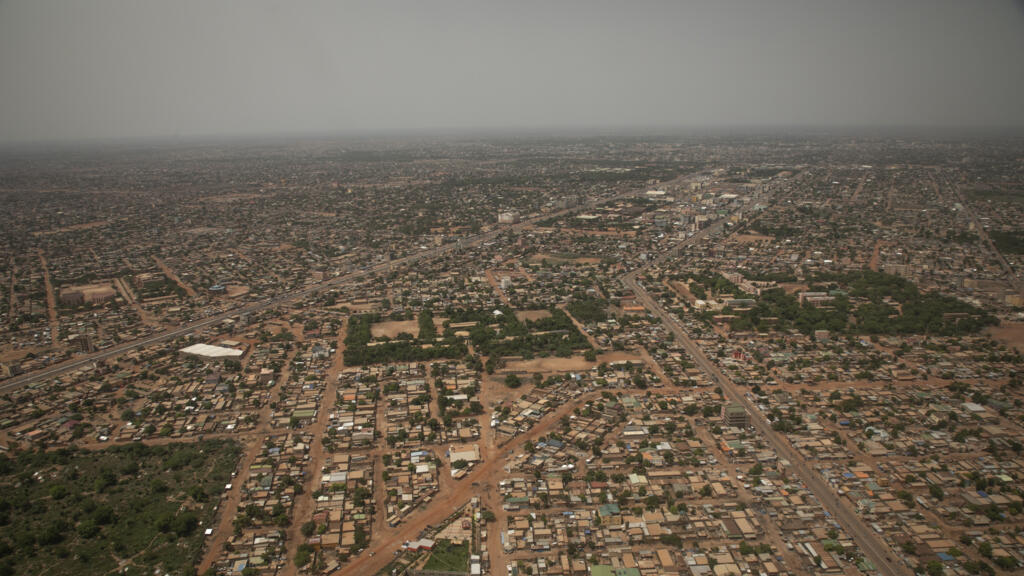
His arrest on Tuesday, just days before the Eid al-Adha celebration, triggered immediate protests. Hundreds of faithful took to the streets of the capital, leading to clashes with security forces. Demonstrators were met with tear gas and aggressive crowd dispersal tactics, escalating tensions in urban centers.
This is not the first time such a law has sparked outrage. Earlier in April, imam Barro was detained under similar circumstances, while Baguian’s death in custody—despite his public support for the government—has further fueled suspicions about state overreach.
Balancing security and religious freedoms
Proponents of the law argue it is necessary to prevent religious influence in secular institutions and curb extremism. However, critics, including prominent religious leaders, warn that the bill infringes on constitutional rights and could deepen social divisions. The timing of the arrests, coinciding with major religious observances, has only intensified the backlash.
As Burkina Faso grapples with security challenges and political instability, the debate over this legislation highlights the delicate balance between state authority and individual liberties—a tension that shows no signs of easing.