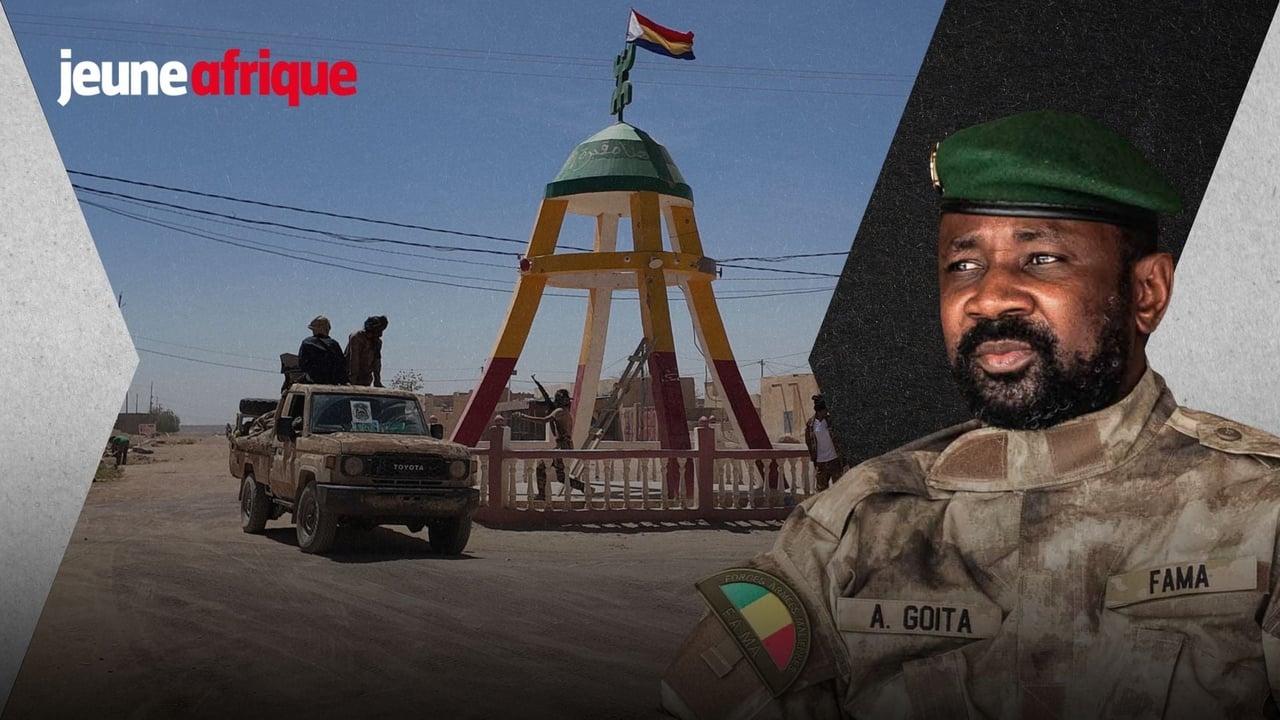
The situation in Mali has reached a critical juncture, with the country’s leadership facing unprecedented pressure as violent clashes escalate across the region. Despite claims of resilience, the government’s grip on power continues to weaken in the face of coordinated attacks and shifting alliances.
The most recent surge in hostilities has left a trail of destruction, particularly in northern territories where armed factions have intensified their operations. Local authorities report a disturbing trend: the once-distant threat of jihadist insurgencies has now merged with separatist ambitions, creating a volatile mix that challenges the very foundations of national stability.
Security breakdown in Mali: a timeline of recent events
On April 25, 2026, the country witnessed one of its most violent days in over a decade. The capital’s defenses were tested as coordinated offensives targeted key institutions, including government buildings and military outposts. Among the casualties was the Defense Minister, whose death sent shockwaves through the nation’s leadership.
Analysts point to a growing symbiosis between extremist groups and armed rebels, who have capitalized on public discontent to expand their influence. The fall of Kidal to coalition forces earlier in 2026 marked a turning point, exposing vulnerabilities in the government’s security framework. Since then, the frequency and intensity of attacks have surged, prompting concerns about the military’s ability to maintain control.
The human cost of the crisis
Beyond the political and military implications, the civilian population bears the brunt of the instability. Displaced families, disrupted supply chains, and collapsing infrastructure paint a grim picture of life under siege. Reports from affected regions describe harrowing scenes of communities caught between warring factions, struggling to access basic necessities like food and medical care.
The loss of life extends beyond military personnel, with innocent civilians increasingly caught in the crossfire. Aid organizations warn that the humanitarian crisis is rapidly deteriorating, as access to critical services becomes increasingly restricted.
Government response and public sentiment
In response to the escalating violence, officials have scrambled to reassure the public, emphasizing their commitment to restoring order. However, skepticism lingers among citizens, many of whom question the effectiveness of current strategies. Protests have erupted in several cities, with demonstrators demanding accountability and tangible action from their leaders.
The government’s reliance on external support has also come under scrutiny, as questions arise about the long-term sustainability of such alliances. While international partnerships have provided temporary relief, critics argue that a more localized approach is necessary to address the root causes of the crisis.
Looking ahead: can Mali recover?
The road to stability remains fraught with challenges. Rebuilding trust between the government and its people will require more than just military intervention—it demands inclusive dialogue and concrete steps toward reconciliation. Economic recovery, too, hinges on restoring security, as businesses struggle to operate amid persistent threats.
With no immediate end in sight, the people of Mali face a future that is as uncertain as it is perilous. The international community watches closely, but the ultimate resolution lies in the hands of those who call this nation home.