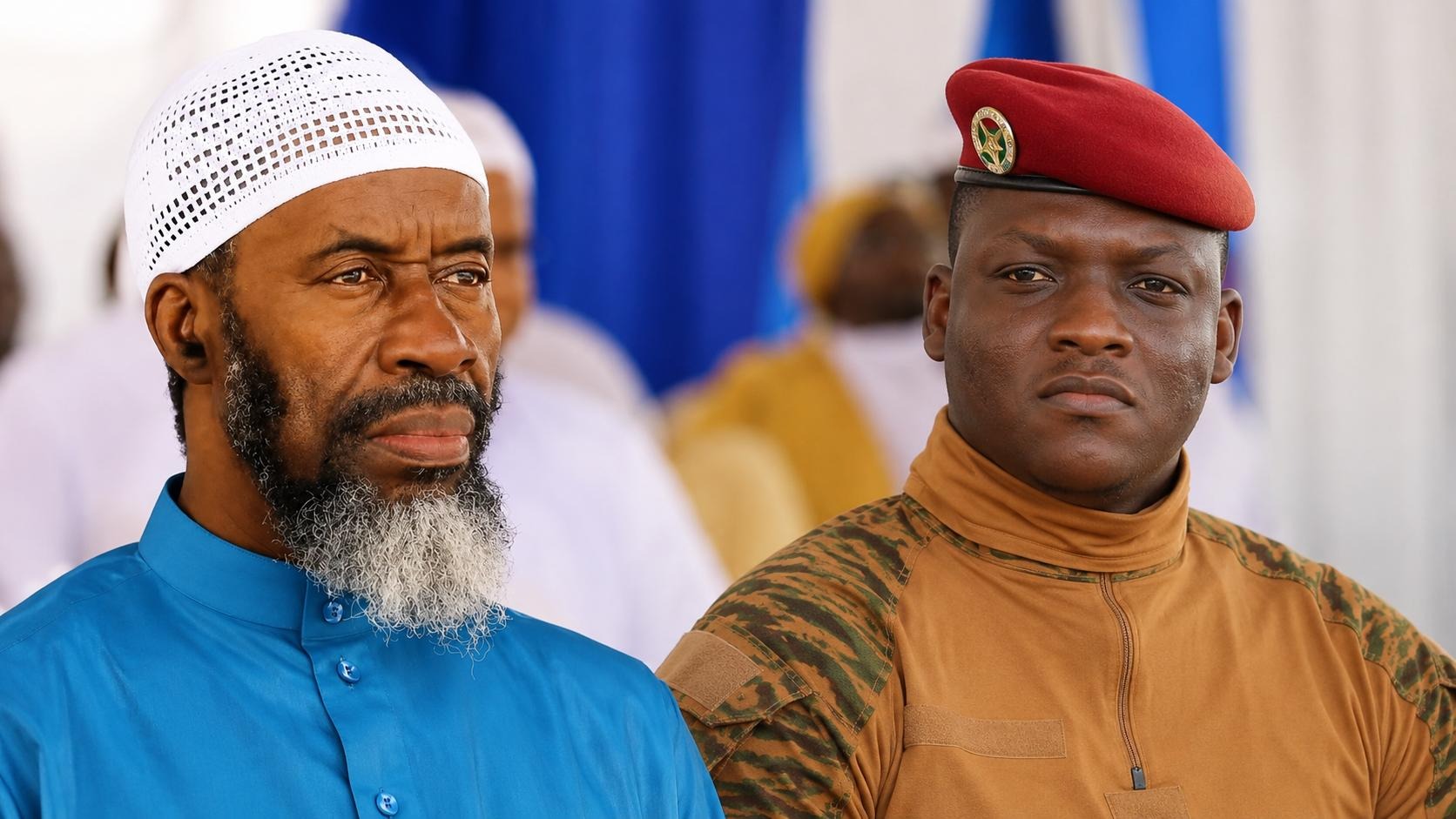
The decision by the Kadiogo regional governor to shut down the main Sunni mosque in Ouagadougou has sparked widespread outrage, exposing deep divisions in a nation already grappling with instability. The move, formalized through an order issued on May 28, 2026, cites “risks to public order” as justification for sealing the mosque’s doors. Yet the timing and rationale behind this clampdown raise serious questions about the government’s long-term strategy toward its once-critical allies.
From political allies to targets of repression
The Sunni community’s disciplined mobilization and unwavering support played a pivotal role in the current administration’s rise to power. During periods of political transition, authorities actively cultivated ties with religious and civil society groups, leveraging their influence to bolster legitimacy. The mosque, once a symbol of unity and devotion, now stands as a stark reminder of how political alliances can sour when convenience fades.
The irony is palpable: a place of worship that once amplified calls for national stability is now locked away at the government’s behest. For many believers who believed they were serving a greater cause, this reversal feels less like justice and more like betrayal. One community leader lamented, “When faith is weaponized to prop up a regime, only to be discarded when dissent arises, the message to the people is clear: loyalty is a one-way street.”
Timing that risks fueling deeper unrest
Burkina Faso faces a crisis where social cohesion is the last line of defense. In such a fragile environment, targeting a major religious institution is a reckless gamble. Instead of easing tensions, the abrupt closure risks radicalizing grievances, pushing disillusioned believers toward underground movements that thrive in secrecy.
The administration’s haste suggests a troubling disregard for the delicate balance required to maintain peace. History shows that suppressing dissent through force often backfires, breeding resentment that festers long after the initial crackdown. The mosque’s closure may achieve short-term control, but at what cost to long-term stability?
Why dialogue must replace repression
The law must protect order, but it cannot justify unilateral punishment against those who once championed the government’s legitimacy. Burkina Faso’s leaders would do well to remember that trust, once broken, is hard to rebuild. Closing houses of worship signals a failure of governance—not strength.
Rather than doubling down on coercion, the state should prioritize open dialogue with religious and community leaders. A transparent process that addresses concerns without resorting to heavy-handed measures is the only way to prevent the current rift from becoming permanent. Suspending the closure order and engaging in meaningful consultation could still salvage what remains of the government’s fractured relationship with its supporters.
The path forward demands humility, not hubris. If Burkina Faso’s leaders continue to prioritize control over collaboration, they risk alienating a constituency that once formed the bedrock of their power—and with it, any hope of restoring national unity.