Internal tensions rise as Côte d’Ivoire’s ruling coalition challenges opposition stronghold
Côte d’Ivoire’s political landscape is witnessing a significant shift as the Rassemblement des Houphouëtistes pour la Démocratie et la Paix (RHDP) intensifies its efforts to erode the influence of the Parti Démocratique de Côte d’Ivoire (PDCI). This strategic maneuver, unfolding in the heart of Abidjan, has sent ripples through the opposition party, raising questions about its future stability and cohesion.
The RHDP’s aggressive outreach, particularly among PDCI’s traditional voter base, has created a climate of uncertainty within the opposition. Analysts suggest that these moves are not merely coincidental but part of a calculated plan to weaken the PDCI ahead of upcoming electoral battles.
PDCI’s leadership under scrutiny as internal divisions deepen
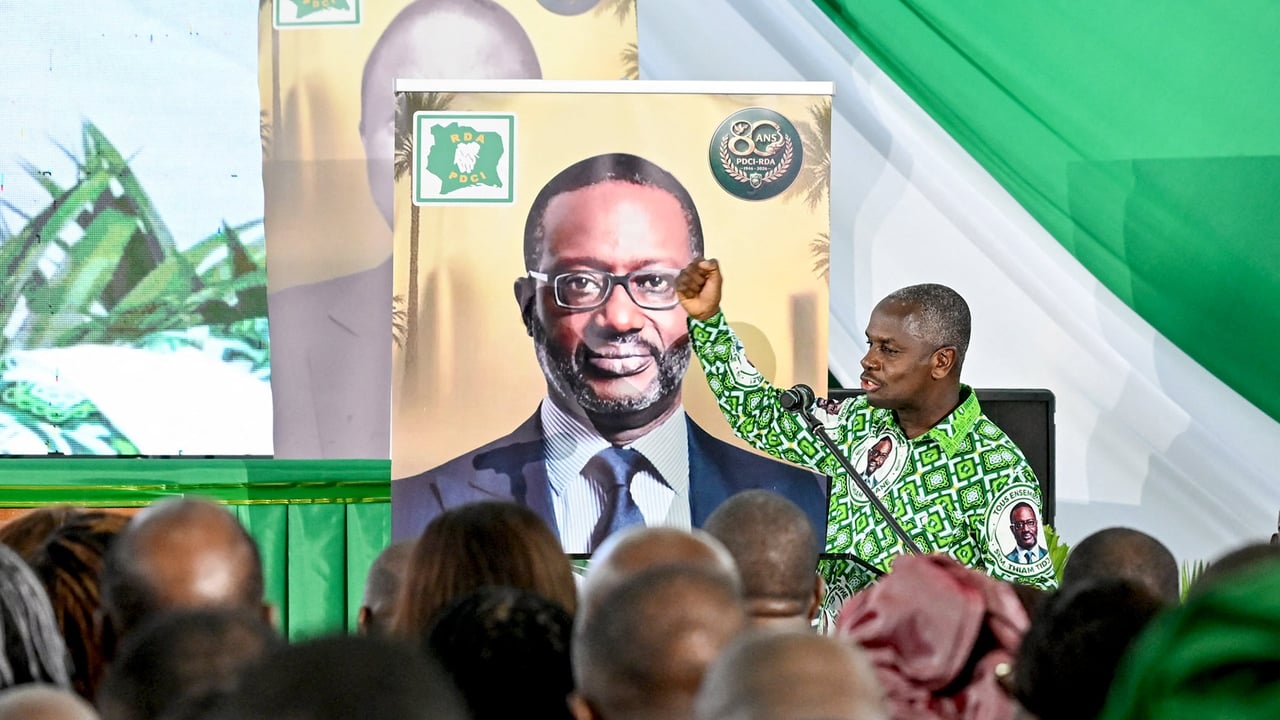
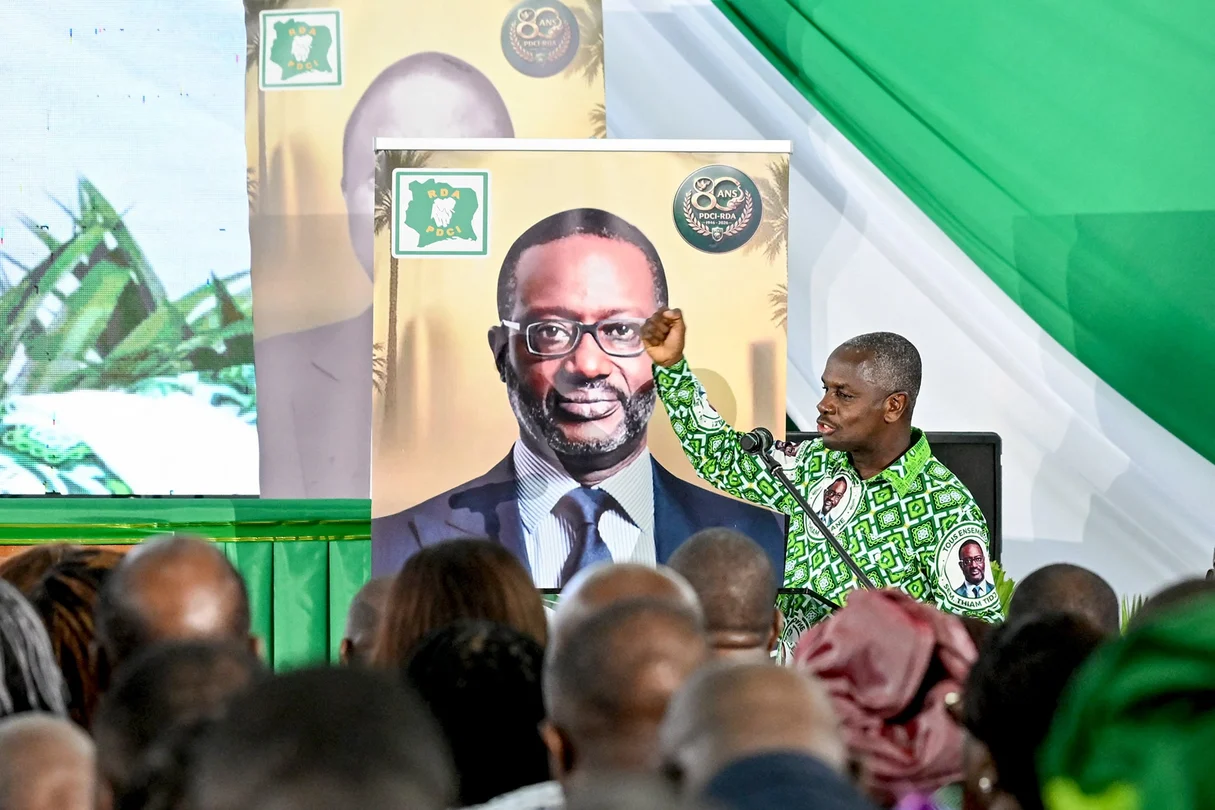
The PDCI, once a dominant force in Ivorian politics, now faces internal strife that threatens its unity. At the center of this turmoil is Calice Yapo Yapo, the party’s executive secretary, whose leadership has come under intense pressure. During the PDCI’s 80th anniversary celebrations in April 2026, Yapo Yapo’s speeches reflected a party struggling to maintain its relevance amid growing challenges.
Critics within the PDCI argue that the party’s leadership has failed to adapt to the changing political climate, allowing the RHDP to gain ground. Meanwhile, supporters of Tidjane Thiam, the PDCI’s prominent figure, insist that the party remains resilient and capable of reclaiming its former glory.
Strategic maneuvers reshape Côte d’Ivoire’s political alliances
The RHDP’s tactics include targeted outreach to disaffected PDCI members, offering incentives to sway their allegiance. This approach has already yielded results in some regions, where local leaders have defected to the ruling coalition. The PDCI, in response, has accused the RHDP of orchestrating a deliberate campaign to destabilize the opposition.
As Côte d’Ivoire gears up for future elections, the battle between the RHDP and PDCI is intensifying. The outcome of this struggle could redefine the country’s political trajectory, with implications for governance, policy, and national unity.
What’s next for Côte d’Ivoire’s opposition?
The coming months will be critical for the PDCI as it navigates internal divisions and external pressures. Will the party manage to unite its ranks and counter the RHDP’s advances, or will it succumb to the growing influence of the ruling coalition? The answers to these questions will shape the future of Ivorian democracy.