After years of Boko Haram violence that shuttered markets and severed cross-border routes, a decisive security push has triggered a dramatic revival of commerce between northern Nigeria and Cameroon’s Far North. The turnaround is now delivering billions in customs receipts and offering a lifeline to communities battered by conflict and climate shocks.
A corridor reborn: from Boko Haram battleground to economic lifeline
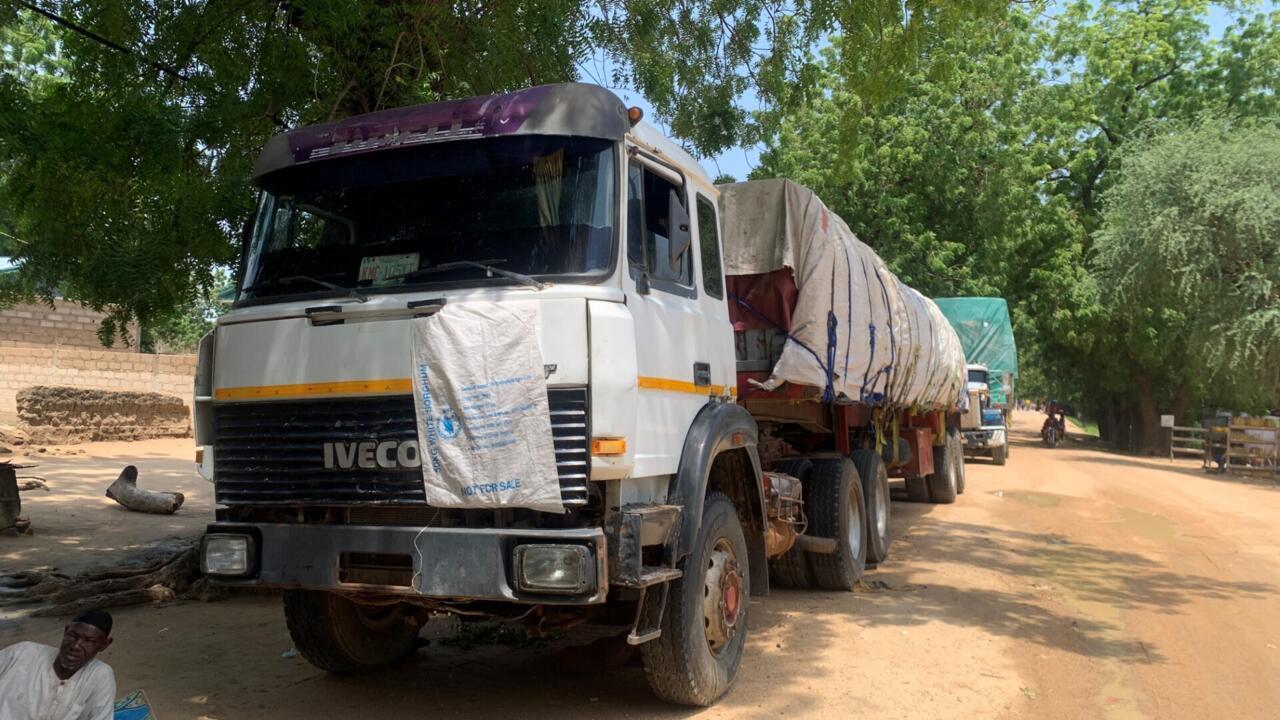
Heavy trucks from Nigeria, Africa’s economic powerhouse, line both sides of the sandy track leading into Cameroon. Not long ago, these convoys were prime targets for Boko Haram insurgents. Today, drivers report safe passage along the route, a shift that has restored confidence in one of the region’s most vital trade arteries.
Aboubacar Mahamed, a Nigerian driver hauling sacks of millet toward N’Djamena, Chad, describes the transformation: “From Kano through Maiduguri, then Banki to Kourgui, we had no problems. Security is there from Kourgui to Amchidé and Yagoua—no issue on the road.”
Still, Mahamed notes that timing matters. “Cameroonian soldiers from the Rapid Intervention Battalion are making huge efforts, but if a truck breaks down between 6 p.m. and 7 p.m., it’s better to spend the night in a village or the bush,” he explains. “Around 6 a.m. the next day, you can start again. It’s best to move from 6 a.m. and park by 5 p.m.”
Limani customs post: a symbol of recovery
To reach Kourgui, these truckers pass through Limani, the main customs office on the Cameroonian side. Shut down in 2014 due to Boko Haram’s abuses, it reopened seven years ago—a milestone that marked the beginning of the corridor’s revival.
Célestin Delanga, a security specialist for the Lake Chad Basin at the Institute for Security Studies (ISS), underscores the stakes: “Cameroon exports food crops and livestock to Nigeria, and imports fuel, textiles, electronics, and spare parts, among other goods. This helps ensure economic security. Improved traffic, reinforced by a stronger security presence along cross-border trade routes, is revitalizing commercial exchange.”
Climate shocks make cross-border trade a survival strategy
For communities long traumatized by Boko Haram, the renewed economic activity is more than a convenience—it is a matter of survival. Delanga points out that the region now faces mounting climate pressures. “Two years ago, floods destroyed crops and livelihoods. This year, drought is crippling the rainy season. Cross-border trade has become a kind of life raft,” he says.
The surge in commerce is also filling state coffers. Customs revenue targets for the first nine months of 2026 have been set at 741 billion CFA francs—a staggering leap from just 1 billion CFA francs in 2023.
What’s next for the Cameroon-Nigeria trade corridor?
The revival hinges on sustained security and infrastructure improvements. As long as the Rapid Intervention Battalion maintains its presence and the Limani customs post remains operational, traders and drivers have reason to keep moving. For now, the corridor stands as a rare success story in a region still grappling with insurgency and climate volatility—proof that decisive action can turn a battlefield back into a marketplace.