Niger faces rising cholera outbreak as authorities scramble for solutions
Health authorities in Niger are urgently responding to a cholera outbreak that has already hospitalized over 600 patients in the Maradi and Zinder regions.
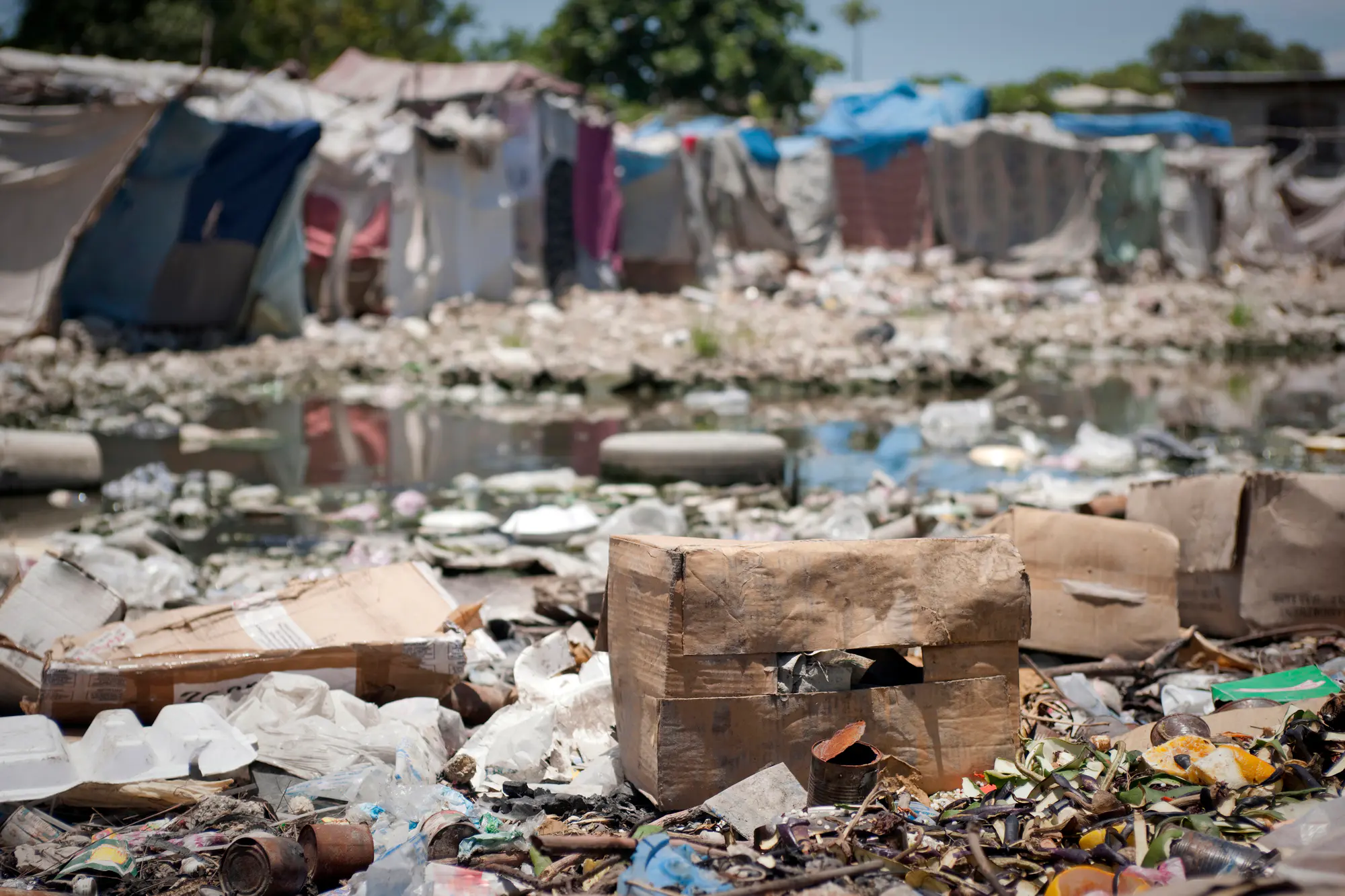
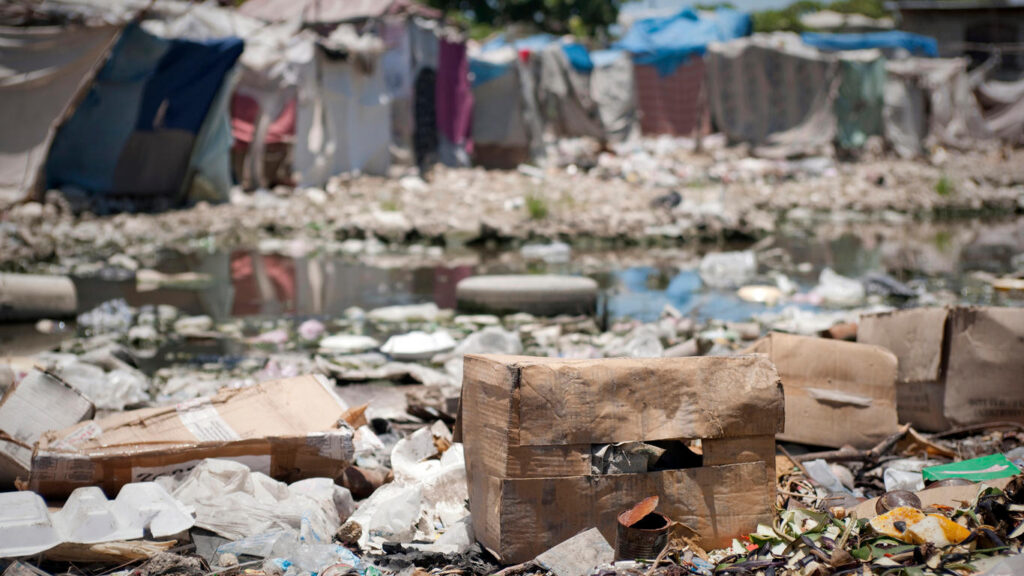
Heavy seasonal rains along the Niger-Nigeria border have triggered a fresh cholera outbreak in the region. This acute intestinal infection stems from Vibrio cholerae bacteria contaminating stagnant water sources. Official reports confirm over 600 confirmed cases across affected areas, with 400 patients already recovered and 156 currently receiving treatment.
Cholera spreads rapidly when contaminated water or food infects individuals, particularly where sanitation is poor, latrine access is limited, and wastewater systems are inadequate. Health experts emphasize that proactive hygiene measures and community awareness campaigns are critical to controlling the outbreak.
Community awareness remains crucial in combating cholera
After the devastating 2018 epidemic, cholera has resurfaced periodically in Niger. While the infection is caused by a bacterium found in contaminated water, populations have gradually lost their immunity to the disease. This year, communities face heightened vulnerability, making prevention efforts even more urgent.
In response, health authorities have established dedicated treatment centers in the worst-hit regions, where at least 19 fatalities have been recorded. Healthcare workers are actively informing residents about free treatment options and preventive measures. However, with torrential rains continuing to facilitate cholera transmission, sustainable solutions require comprehensive improvements in sanitation infrastructure and access to clean drinking water.