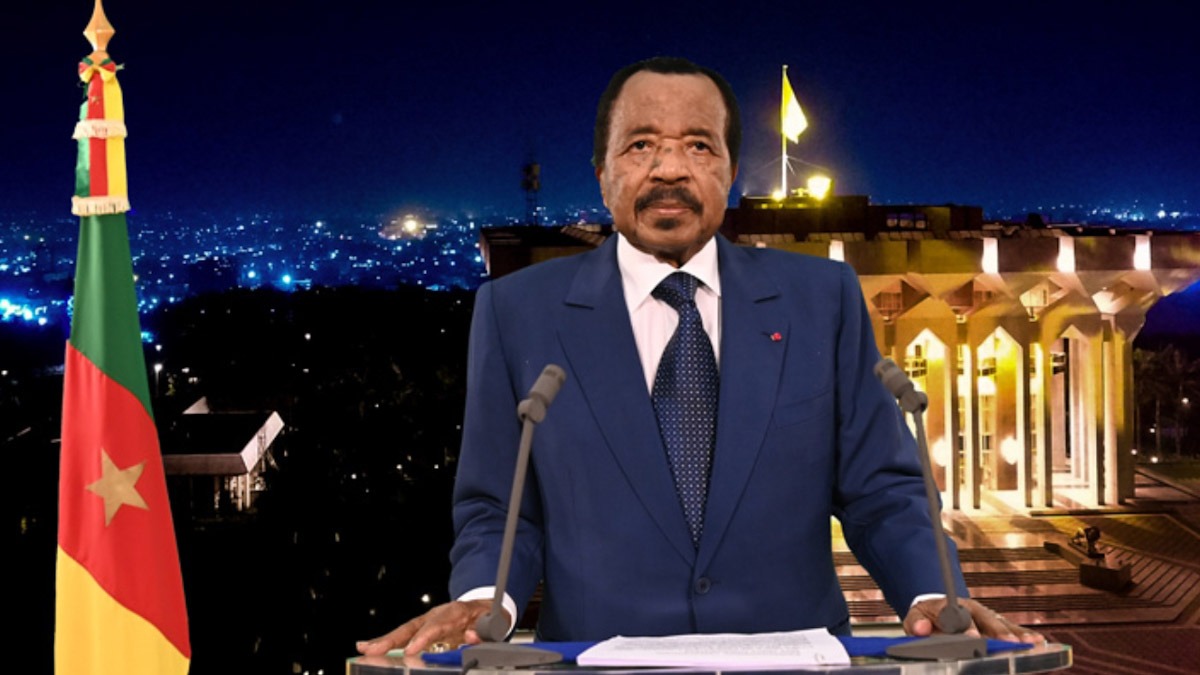
Is Cameroon’s progress grinding to a halt? Since June 7, 2026, when President Paul Biya left Yaoundé for what was described as a ‘short private stay in Europe,’ the country has operated under an unprecedented leadership void. Over two months later, with no public appearances or official return date in sight, the silence at the highest level of government has transcended mere political speculation. In a nation where centralized authority hinges on the president’s signature, this absence isn’t just an abstract concern—it’s creating tangible, measurable ripple effects across the economy and social fabric.
Economic paralysis: markets freeze and governance stalls
Cameroon’s economy operates under a hyper-centralized system, where the head of state serves as the linchpin for public life. The prolonged absence of Paul Biya has triggered institutional and financial bottlenecks that are impossible to ignore:
- Shaky financial markets: Recent financial assessments indicate that Cameroon’s dollar-denominated bonds are among the weakest performers on the African continent. Rating agencies are flagging concerns over the lack of clarity on leadership succession and the perceived political instability, which is deterring international investors.
- Frozen infrastructure projects: Major public-private partnerships and large-scale infrastructure initiatives require high-level executive decisions. Without these critical approvals, project files pile up in ministerial offices, delaying fund disbursements and disrupting the national budget execution.
- Institutional paralysis: Although a constitutional amendment in April 2026 introduced the position of vice-president to mitigate leadership vacuum risks, this role remains unfilled. Similarly, an anticipated ministerial reshuffle has stalled, further entrenching administrative stagnation.
Social strain: rising costs and growing unrest amid uncertainty
The consequences of this leadership gap are not confined to boardrooms or policy documents—they are reshaping daily life for ordinary Cameroonians:
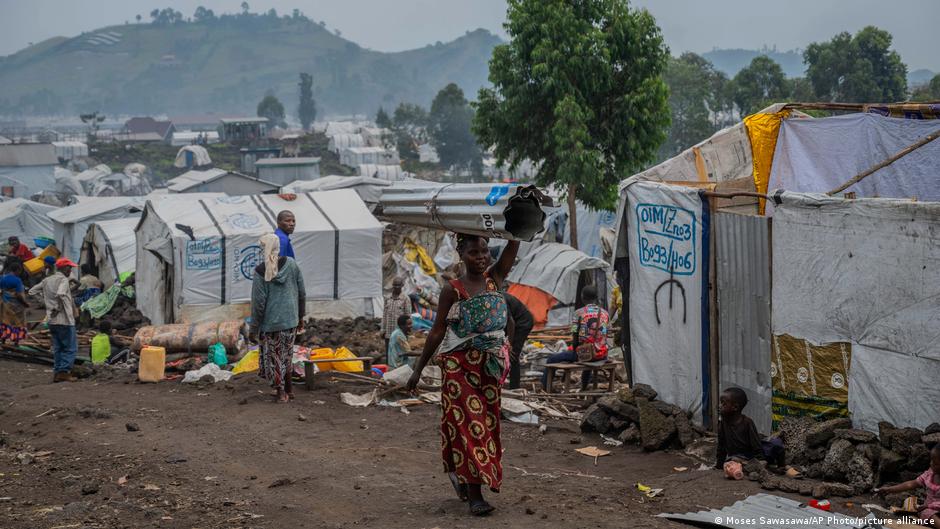
- Inflation and cost-of-living crisis: Local markets continue to grapple with surging prices for essential goods and fuel. Without timely fiscal adjustments or responsive policy measures, household purchasing power continues to erode, deepening financial strain across communities.
- Distrust and anxiety fuelled by silence: The government’s failure to communicate has unleashed a wave of speculation on social media, from rumors about the president’s health to conspiracy theories about hidden agendas. This opacity has fostered widespread resentment, particularly among the youth, and has intensified social tensions.
- Neglected priorities: Critical issues such as the Anglophone crisis in the North-West and South-West regions, youth unemployment, and crumbling road and electricity networks lack the high-level political impetus needed to drive sustainable solutions.
Leadership void exposes deep-rooted systemic weaknesses
The prolonged absence of Paul Biya is acting as a stark reminder of Cameroon’s institutional fragilities. It underscores how dangerously exposed the country’s socio-economic framework becomes when power is concentrated in a single figure—and that figure steps away. The current impasse is not just a passing phase; it is a stress test for a system that has long relied on centralized control to function.
For Cameroon to restore investor confidence and prevent further social fragmentation, urgent action is needed. Clarifying the governance structure and resuming routine state functions are no longer options—they are prerequisites for stability and progress.