CENCO exposes police-Force du Progrès alliance in violent crackdown on opposition protests
The National Episcopal Conference of Congo (CENCO) has raised the alarm over what it calls a coordinated crackdown on opposition demonstrations in the Democratic Republic of Congo (DRC). In a strongly worded statement released this Saturday, June 20, the influential Catholic bishops’ organization accused both the national police and the youth wing of a ruling party party, known as ‘Force du Progrès,’ of using excessive force to suppress peaceful protests.
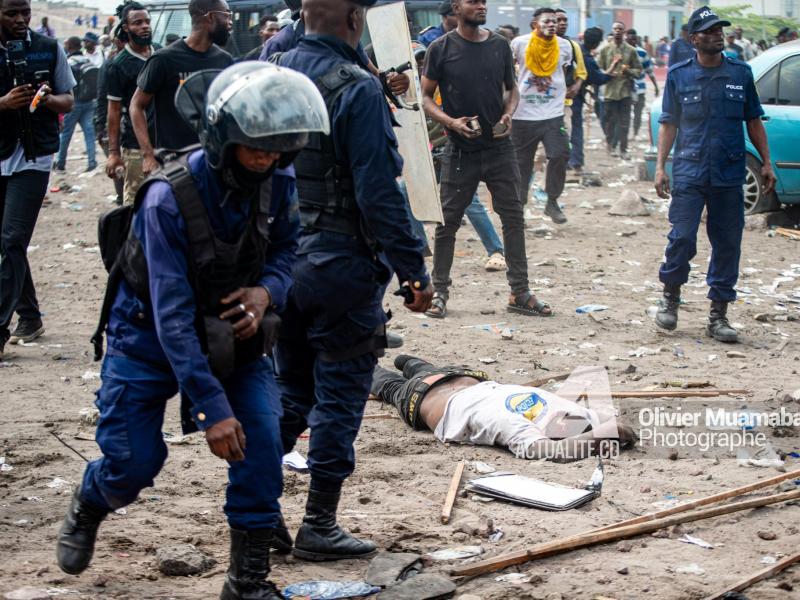
The bishops’ statement came after a particularly violent confrontation on Friday, June 12, when opposition activists attempted to stage a sit-in near the National Assembly in Kinshasa. The protest was organized by the Coalition C64 to oppose a controversial proposal to amend the DRC’s constitution, which would allow President Félix Tshisekedi to potentially remain in power beyond his current term.
Escalating tension and intimidation tactics
In their declaration, CENCO’s executive secretary, Archbishop Donatien Nshole, expressed grave concern over what he described as a ‘climate of terror’ targeting dissenting voices within the ruling majority itself. The bishops highlighted how state resources are being mobilized to push the constitutional reform agenda while silencing internal opposition.
« The use of state machinery to advance constitutional changes is being accompanied by a worrying campaign of intimidation against those within the majority who dare to voice their opposition. Many feel compelled to remain silent out of fear of retaliation, » Archbishop Nshole stated.
The CENCO statement specifically condemned the police’s collaboration with Force du Progrès, which opposition groups claim was responsible for dispersing the June 12 protest with tear gas and physical force. Several human rights organizations, both local and international, have since corroborated these allegations, reporting multiple injuries among protesters and detentions of opposition leaders.
Constitutional reform sparks widespread controversy
The proposed constitutional amendment has become a lightning rod for political tension in the DRC. While President Tshisekedi’s supporters argue that reforms are necessary to modernize the country’s governance structures, critics—including CENCO—warn that such changes could undermine democratic principles and enable prolonged presidential mandates.
The bishops have urged the government to abandon the reform process entirely, calling instead for a ‘culture of negotiation’ rather than one of coercion. They emphasized that true national unity can only be achieved through dialogue and consensus-building, not through state-sponsored repression of dissent.
International implications and domestic backlash
The CENCO statement follows days of intense scrutiny from both domestic and international observers. The United Nations, African Union, and several Western governments have expressed concern over the reported human rights violations during the June 12 crackdown. Meanwhile, opposition figures have vowed to escalate their protests unless the government commits to abandoning the constitutional reform bill.
With tensions running high, all eyes are now on President Tshisekedi’s response to CENCO’s unprecedented intervention. The coming days will likely determine whether the political crisis escalates into a full-blown constitutional confrontation or if a path to compromise can be found.