Economic analysts are closely examining Côte d’Ivoire and Ghana this year, as fresh projections suggest a shift in their growth trajectories. According to the latest forecasts from the International Monetary Fund, Ghana’s gross domestic product (GDP) is poised to reach $118 billion, narrowly surpassing that of Côte d’Ivoire, which is expected to hit $110 billion. This development marks a significant moment in the economic rivalry between the two West African powerhouses.

Economic growth drivers in Ghana
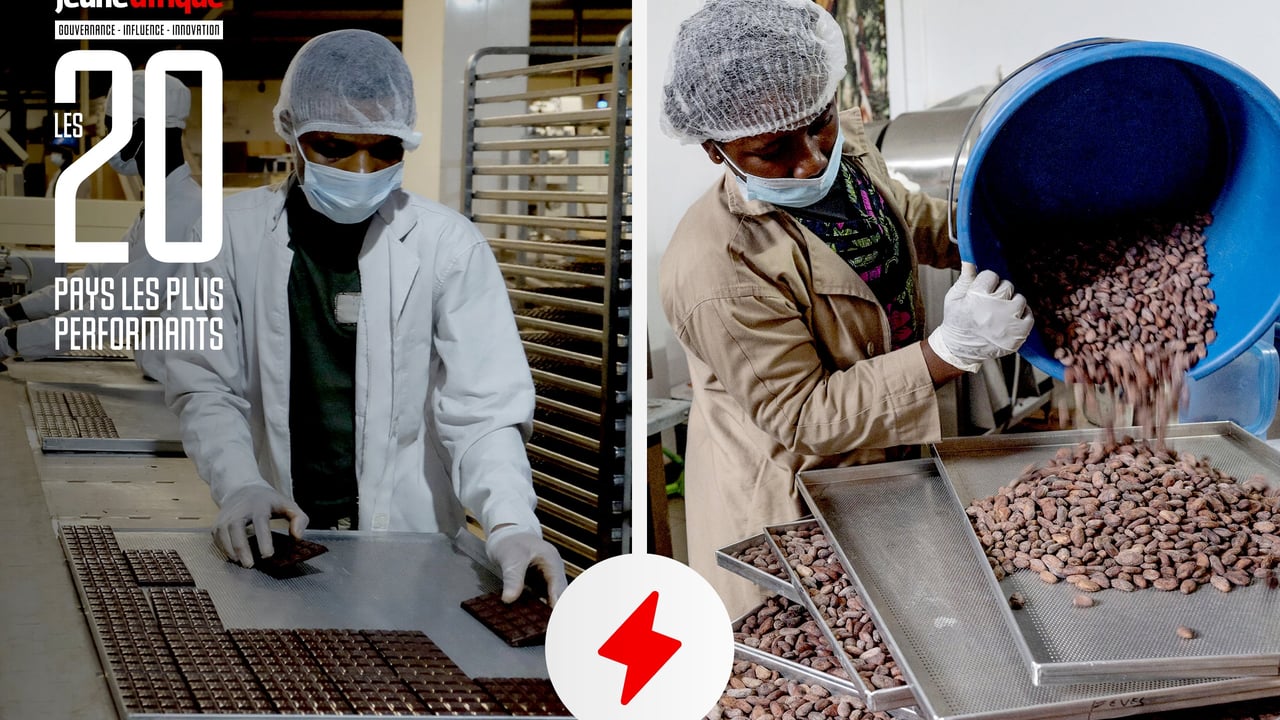
The anticipated rise in Ghana’s GDP stems from a combination of factors. The country’s robust cocoa and gold exports continue to fuel foreign exchange earnings, while a growing services sector—particularly in technology and finance—adds further momentum. Additionally, Ghana’s recent strides in digital transformation, including the adoption of a central bank digital currency, have enhanced financial inclusion and economic efficiency.
Key factors behind Côte d’Ivoire’s economic strength
Côte d’Ivoire, on the other hand, maintains a strong agricultural base, with cocoa and cashew nut production driving much of its economic engine. The country’s infrastructure investments, particularly in ports and highways, have streamlined trade flows across West Africa. Moreover, Côte d’Ivoire’s stable political climate over recent years has attracted consistent foreign direct investment, reinforcing its status as an economic anchor in the region.
Comparing sectoral performance
When dissecting the economies of both nations, key differences emerge. Ghana’s industrial sector, buoyed by manufacturing and energy production, shows impressive dynamism. The country’s oil and gas industry, in particular, has been a major contributor to GDP growth. Meanwhile, Côte d’Ivoire’s agricultural dominance, while steady, faces challenges from global price fluctuations and climate-related risks.
Both nations, however, share common strengths. Their strategic coastal locations provide vital trade routes, and their relative economic stability compared to neighbors makes them attractive investment destinations. Yet, the question remains: which economy is truly outperforming the other?
Beyond GDP: other economic indicators
While GDP is a critical measure, it doesn’t tell the full story. Other metrics, such as GDP per capita, unemployment rates, and foreign reserves, offer additional insights. For instance, Côte d’Ivoire’s population is larger, which could dilute its per capita GDP advantage. Meanwhile, Ghana’s debt-to-GDP ratio, though improving, remains a point of concern compared to its regional peers.
The debate over which economy is leading isn’t just academic—it has real-world implications for investors, policymakers, and regional integration efforts. As both countries navigate global economic headwinds, their strategies for sustainable growth will determine who emerges as the true economic leader in West Africa.