
A fresh wave of brutality has struck Niger, leaving 31 civilians—including men and children—slaughtered in the village of Bossiye, located in the Tillabéri region. The massacre, carried out on January 18, has been attributed to jihadist militants linked to the Islamic State in the Greater Sahara (EIGS).
According to reports from Human Rights Watch, around 100 heavily armed militants descended on the village on motorcycles near midday, unleashing indiscriminate violence. Survivors and local sources describe a scene of sheer terror as families were targeted without mercy.
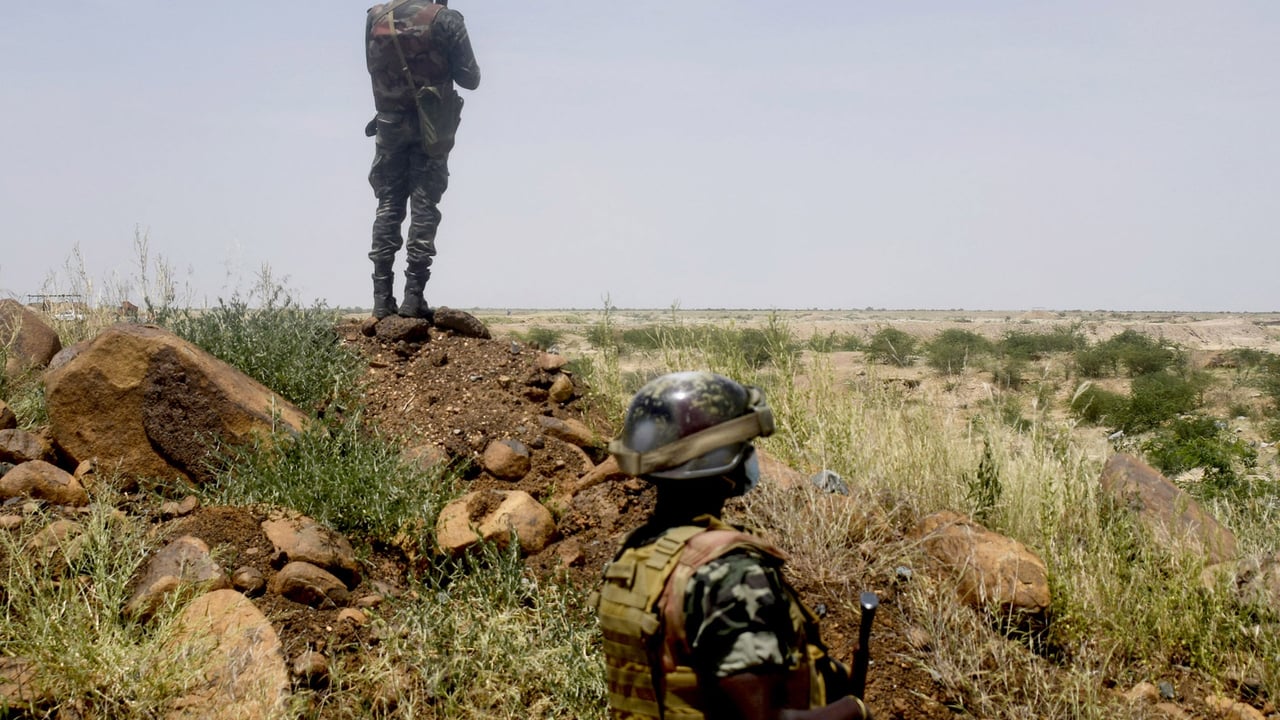
This latest atrocity underscores the escalating threat posed by jihadist groups in West Africa, particularly in the volatile Sahel belt. The Tillabéri region, situated in western Niger, has become a hotspot for such attacks, where insurgent factions exploit weak governance and socioeconomic vulnerabilities to expand their influence.
Understanding the attack’s context
The EIGS has been a persistent menace in the Sahel, operating across the porous borders of Niger, Mali, and Burkina Faso. The group’s tactics often involve hit-and-run assaults on unprotected communities, leaving behind a trail of destruction and despair. International observers warn that such violence not only destabilizes the region but also fuels cycles of retaliation and displacement.
The January 18 massacre is not an isolated incident. Over the past year, Tillabéri has witnessed a surge in jihadist-related fatalities, with civilians bearing the brunt of the conflict. Analysts point to a combination of factors, including limited military presence, porous borders, and the group’s ability to recruit disaffected youth through coercion and propaganda.
International response and regional security challenges
In the aftermath of the attack, calls for urgent intervention have grown louder. Regional blocs like the Economic Community of West African States (ECOWAS) have reiterated their commitment to combating terrorism, though critics argue that coordinated action remains inconsistent. Meanwhile, Niger’s government has vowed to bolster security measures, but challenges persist in mobilizing sufficient resources and manpower.
Human rights organizations are urging for a thorough investigation into the massacre, emphasizing the need for accountability. The international community’s role in providing logistical and financial support to affected nations has also come under scrutiny, with many questioning whether current efforts are enough to curb the rising tide of extremism.
As Niger grapples with this latest tragedy, the broader implications for West Africa’s stability remain a pressing concern. The cycle of violence shows no signs of abating, leaving communities in the Tillabéri region—and beyond—in a state of perpetual fear.