solar energy revolutionizes healthcare in niafounké, northern Mali
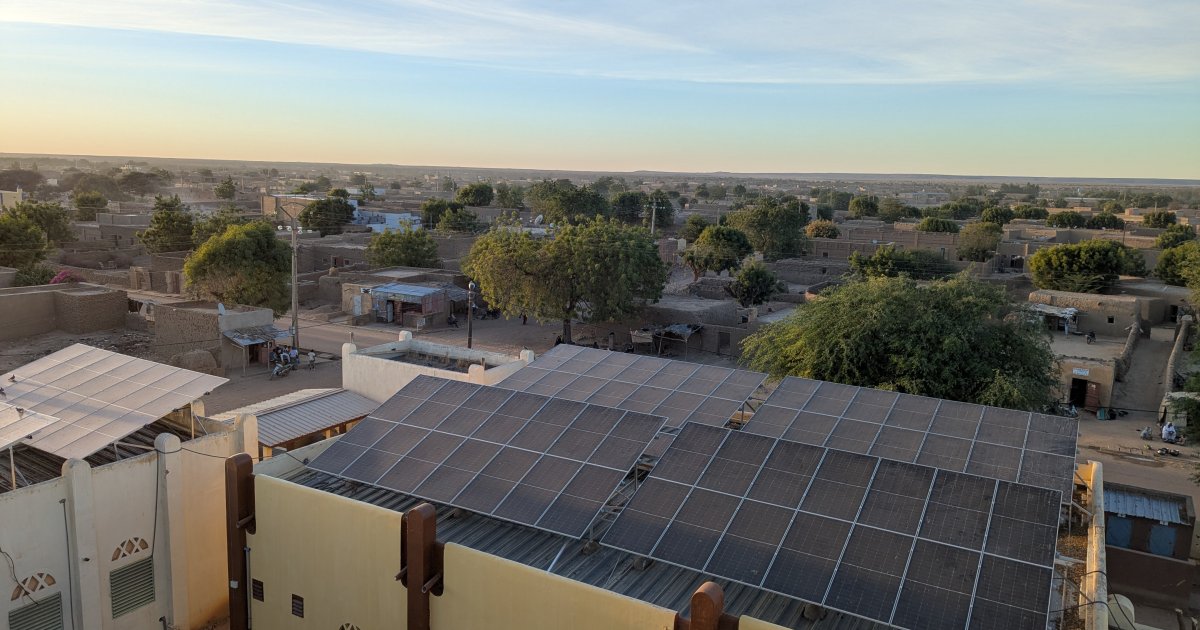
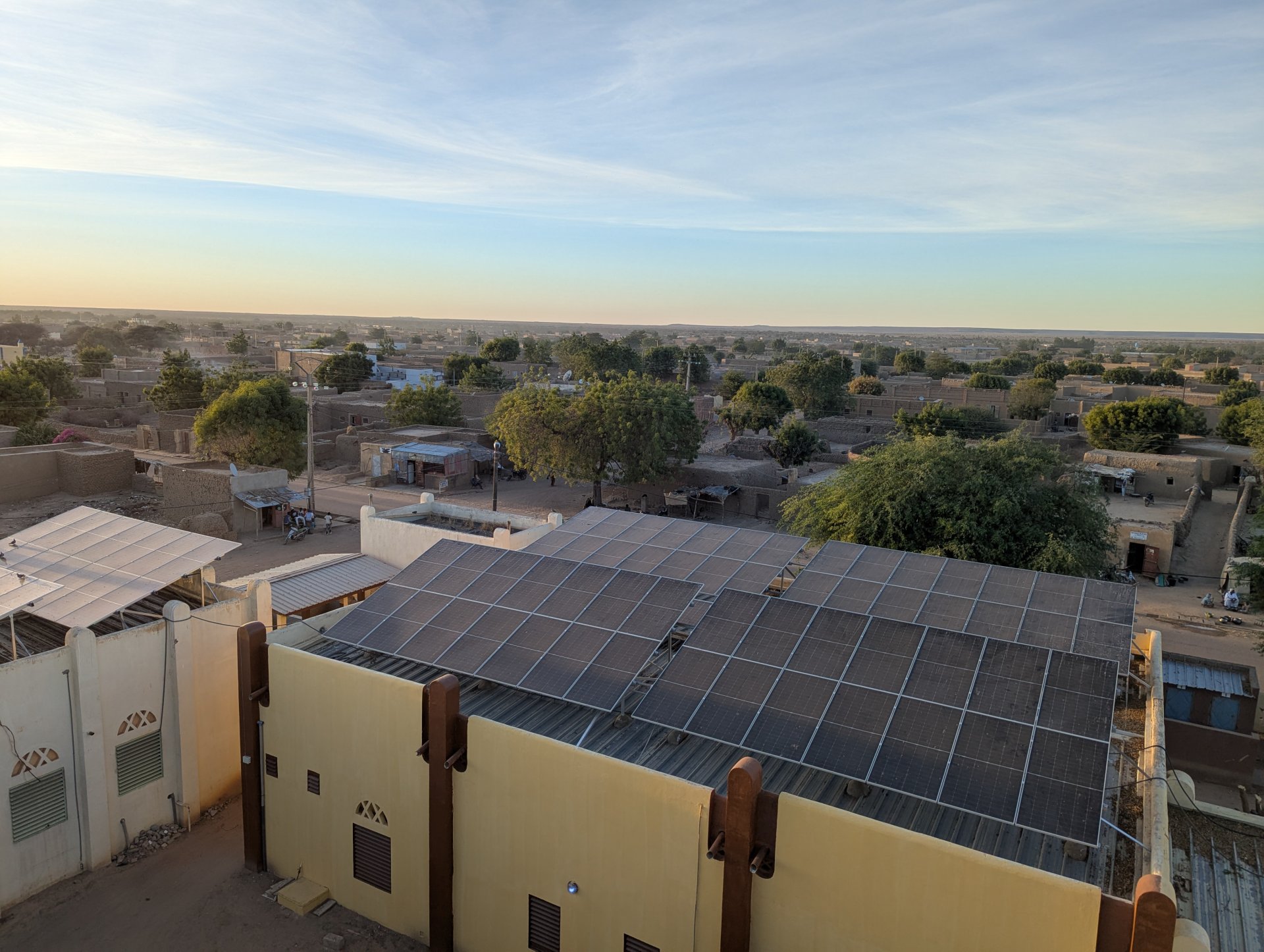
Previously, the hospital relied almost entirely on a diesel-powered thermal plant, which was prone to frequent power outages. To maintain essential services, medical teams had to depend on a generator daily, incurring high costs and facing unreliable operation. Now, the new photovoltaic solar system supplies approximately 60% of the hospital’s energy requirements, significantly reducing its dependence on fossil fuels.
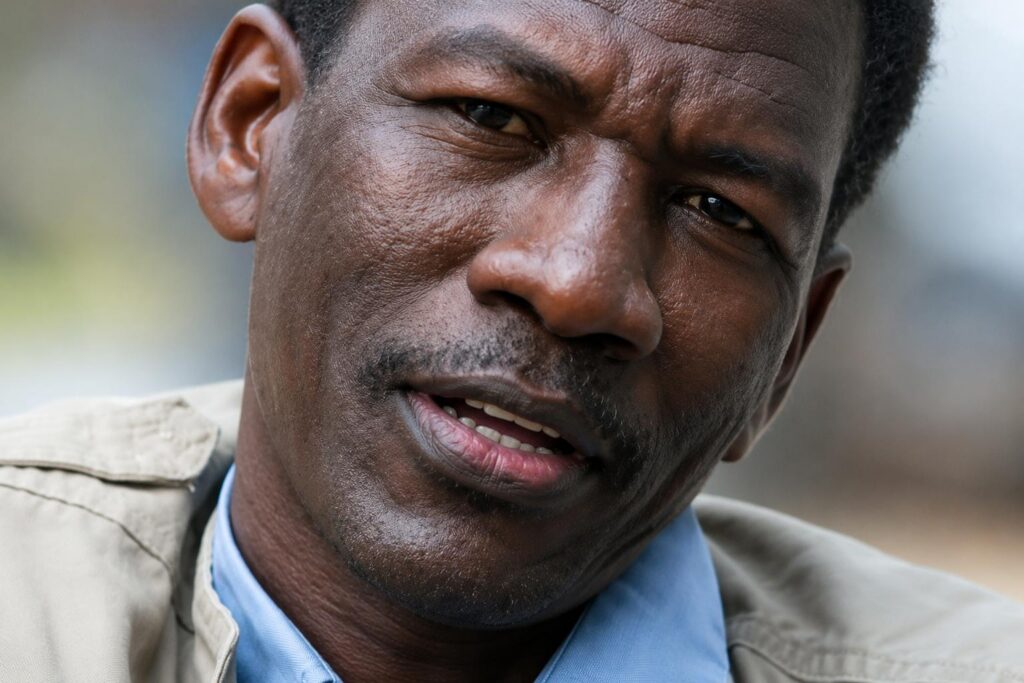
“This energy transition substantially lowers expenses associated with the generator, its upkeep, and diesel purchases, allowing us to allocate more resources directly to patient care. It also guarantees the uninterrupted functioning of critical medical equipment, such as oxygen concentrators in neonatology and pediatrics, supports urgent surgical and obstetric procedures, and powers the laboratory, ultrasound devices, and the vital cold chain necessary for blood transfusions,” explains Souleymane Ouattara, MSF’s project coordinator for Timbuktu.
The system boasts a 90 kWp capacity, complemented by 210 kWh of lithium battery storage, and an 80 kVA generator. This sophisticated hybrid setup enables seamless switching between solar power, the municipal electricity grid, and the generator, ensuring a continuous and stable power supply around the clock.
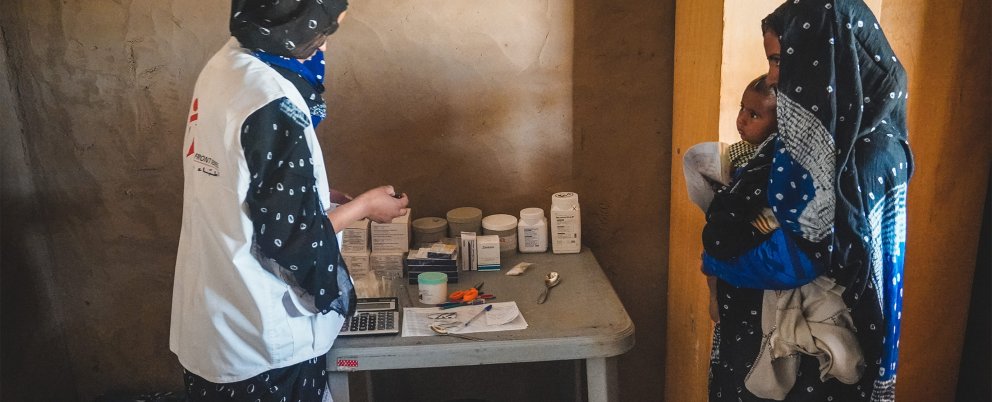
For patients, this newfound energy stability profoundly improves their daily lives. Fadi, who was displaced from her village of Léré due to threats from armed groups, sought refuge in Niafounké with her children. She recounts, “I fled with my children and my sister because armed men ordered everyone to leave the village. Today, I’m accompanying my son, Ousmane, to the pediatric ward.” In a context marked by displacement and vulnerability, access to dependable healthcare is absolutely crucial.
This initiative is a key component of MSF’s “Green Initiative,” a strategic commitment to minimize its environmental footprint while simultaneously boosting operational effectiveness. For several years, the organization has been deploying hybrid photovoltaic solar systems across various countries globally, particularly in the Sahel region. These systems aim to lessen reliance on diesel, which is both expensive and polluting, and often challenging to transport to remote areas.
Beyond the significant environmental advantages, the reduction in energy costs allows for the redirection of financial resources towards critical medical services. Solar power stabilizes the operations of laboratories, cold rooms, and other essential hospital departments, thereby enhancing the working conditions for medical teams and elevating the overall quality of care provided to patients.
In the perpetually fragile humanitarian landscape, solar energy represents far more than just a technical solution; it acts as a powerful catalyst for autonomy, resilience, and hope for healthcare facilities and the communities they serve. Through such pioneering initiatives, MSF effectively integrates humanitarian action with environmental responsibility and a lasting commitment to preserving life.
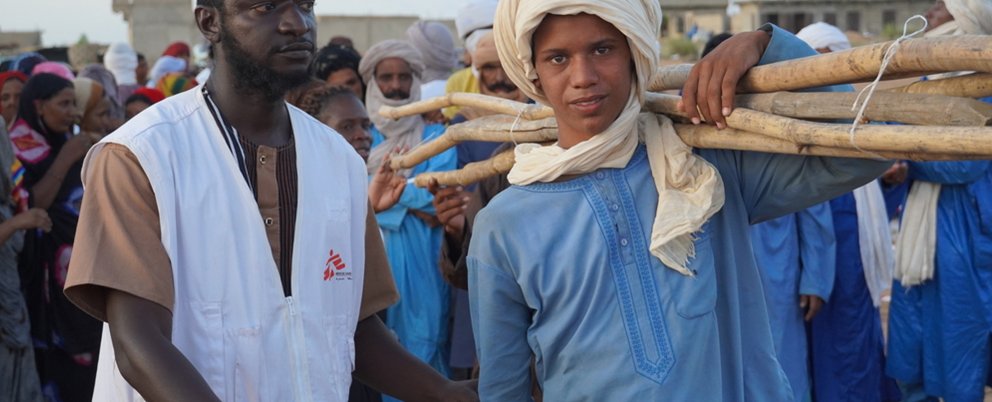
Since 2019, MSF has been running a pediatric project at Niafounké hospital, focusing on children under 15. Additionally, MSF supports four community health centers and conducts primary and community health activities in the isolated Gourma villages within the Timbuktu region.
By Aïcha Abdou — Senior correspondent