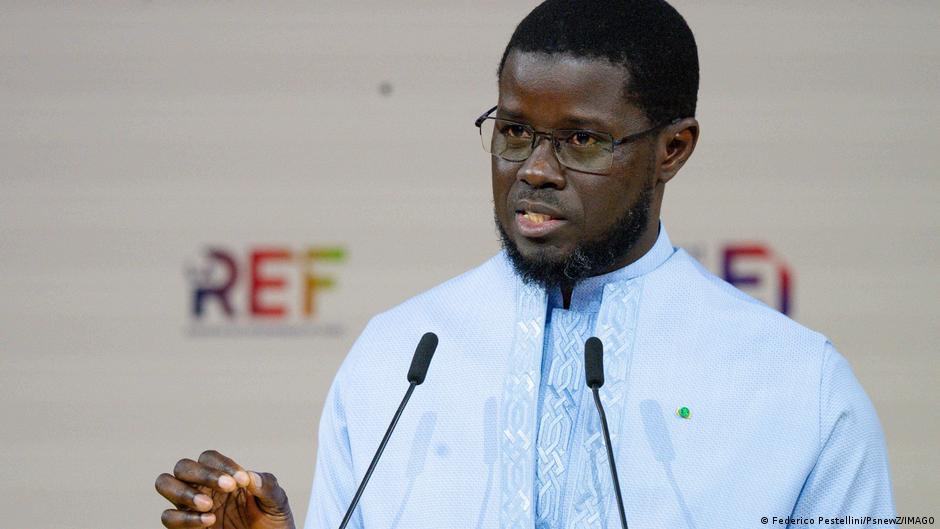
Senegal stands at a political crossroads as President Bassirou Diomaye Faye navigates a complex landscape shaped by recent upheavals in the executive branch. The removal of former Prime Minister Ousmane Sonko on May 22, 2025, followed by his subsequent election as President of the National Assembly, has intensified debates about governance in the country.
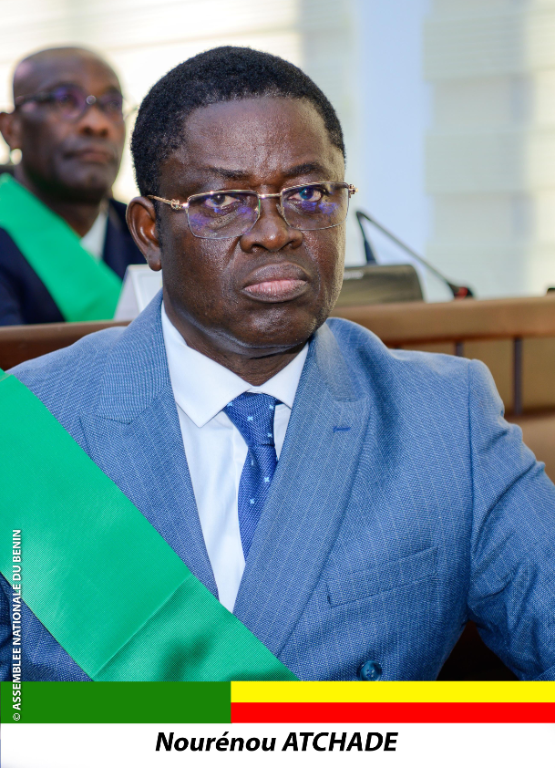
The political equation shifted dramatically when Sonko, a prominent figure within the ruling Pastef party, secured a landslide victory in the parliamentary vote. This outcome places him second in the state hierarchy, behind only the Head of State. The appointment of Ahmadou Al Aminou Lô, a former central bank executive, as Prime Minister on the following Monday underscored the urgency of addressing economic challenges while maintaining political cohesion.
The President now faces a critical question: can Senegal’s leadership implement reforms effectively under these circumstances? The nation continues to grapple with pressing economic issues, making governance a balancing act between reform and stability.
key dynamics shaping Senegal’s political future
The unfolding situation reveals three critical dimensions:
- Institutional balance: Sonko’s rise as Assembly President introduces a new power dynamic, testing the boundaries of cooperation within the ruling party.
- Economic imperatives: With inflation and unemployment persisting, the government must prioritize policies that address citizen concerns.
- Party cohesion: The tensions highlight internal divisions within Pastef, raising questions about future policy direction.
expert perspectives on governance challenges
To dissect these issues, a panel of analysts shared their insights:
- Mamoudou Ibra Kane, a seasoned journalist and author, provided historical context on Senegal’s political shifts, drawing from his research on constitutional perspectives.
- Karine Oriot, a geopolitical analyst, examined the broader implications of these changes on regional stability.
- Moussa Diaw, a political science professor and international relations specialist, analyzed the potential impact on Senegal’s foreign policy and economic partnerships.
As the debate unfolds, one thing remains clear: the decisions made in the coming months will define Senegal’s trajectory in both politics and economics.