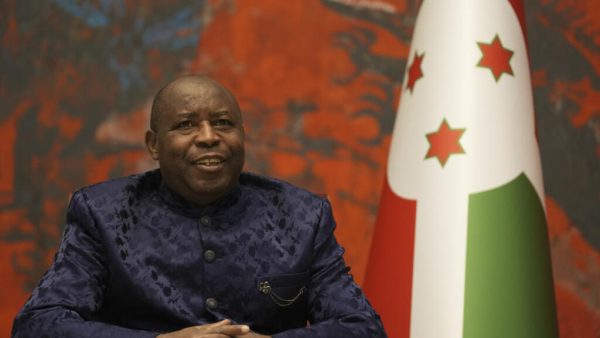
As tensions escalate in the Democratic Republic of the Congo, key opposition leaders and religious representatives have traveled to Bujumbura for high-stakes political consultations. The meeting, convened by Burundian President Évariste Ndayishimiye—who also serves as the African Union chairperson—aims to address the deepening political, security, and institutional crisis gripping the DRC.
The timing of these talks comes amid mounting pressure, prompting the coalition behind the planned July 8 march to postpone the demonstration to July 22. The shift reflects a strategic choice to prioritize dialogue over confrontation in the face of escalating unrest.
Opposition and religious leaders unite in Bujumbura
The discussions in Burundi’s capital bring together prominent figures from the Article 64 coalition (C64), alongside delegates from the National Episcopal Conference of the Congo (CENCO), the Church of Christ in Congo (ECC), and other faith-based organizations, including revivalist churches. The diverse representation underscores the breadth of concerns surrounding the country’s democratic stability.
« The delegation includes priests, pastors, and leaders like Ejiba Yamampia from the revivalist churches, alongside the full C64 coalition. These consultations are a critical step toward finding common ground. »
The agenda includes separate meetings with religious leaders before a joint audience with C64 representatives. A broader gathering will then take place with President Ndayishimiye, creating a platform for comprehensive discussions on the nation’s challenges.
The coalition has made one demand clear: unity in representation. Leaders insist on being received collectively rather than in fragmented sessions, a condition that has been accepted by the Burundian presidency.
« Our collective reception is non-negotiable. This was a firm requirement from our side, and it has been honored. »
July 22: a new date for DRC’s constitutional order march
The decision to postpone the C64 march reflects a deliberate effort to explore diplomatic avenues. Figures such as Martin Fayulu, Moïse Katumbi, Jean-Marc Kabund, Delly Sesanga, and Augustin Matata Ponyo have emphasized their commitment to preserving constitutional order, stating they accepted the invitation « in a spirit of responsibility. »
The coalition views these talks as an opportunity to voice the population’s grievances and highlight the risks posed to democracy and national institutions. Their goal remains unwavering: to defend the constitutional framework and submit a memorandum to President Félix Tshisekedi on July 22.
African Union backs dialogue as DRC’s path forward
These consultations follow President Ndayishimiye’s recent state visit to Kinshasa, where he and President Tshisekedi reaffirmed the urgency of safeguarding institutional stability and national unity. The AU chairperson has consistently urged Congolese political and social forces to prioritize dialogue over division, praising the government’s openness to engagement.
With the Bujumbura talks concluded, all eyes will now turn to July 22. The C64 coalition’s march remains a pivotal moment, symbolizing the push for constitutional adherence and democratic resilience in a nation at a crossroads.