With the inauguration of Romuald Wadagni as Benin’s next president approaching, diplomatic signals from Niger suggest a potential easing of tensions between the two West African neighbors. Bakary Yaou Sangaré, Niger’s Minister of Foreign Affairs, recently expressed cautious optimism about the possibility of renewed dialogue with Cotonou, despite years of strained relations.
Speaking on national television, Sangaré acknowledged the lack of official contact between Niamey and the incoming Beninese leadership but emphasized the importance of mutual goodwill gestures to rebuild trust. « We would welcome any initiative from the new Beninese government that fosters cooperation, » he stated, highlighting the need for constructive actions to restore bilateral relations.
a deepening crisis since 2023
Relations between Benin and Niger have deteriorated significantly since the July 2023 coup in Niger, which brought General Abdourahamane Tiani to power. The political rift has led to severe economic repercussions, most notably the closure of the Benin-Niger border—a critical trade artery between the two nations.
The diplomatic standoff escalated further in January 2026, when both countries engaged in reciprocal expulsions of diplomats and suspended embassy operations, effectively freezing official communications.
Niger has repeatedly accused Benin of harboring individuals hostile to its military regime, a claim firmly denied by Cotonou. These allegations have further strained an already fragile relationship.
economic stakes and unresolved disputes
The simmering tensions are not solely political; they also revolve around pressing economic concerns. One of the most critical issues is the Wapco oil pipeline, a vital infrastructure that enables Niger to export its crude oil via Benin’s Sèmè-Kpodji terminal. Disruptions in this project could have far-reaching consequences for both nations.
The border closure has already taken a toll on local economies, disrupting trade flows along the Niamey-Cotonou corridor and affecting livelihoods on both sides.
wadagni’s leadership faces a critical test
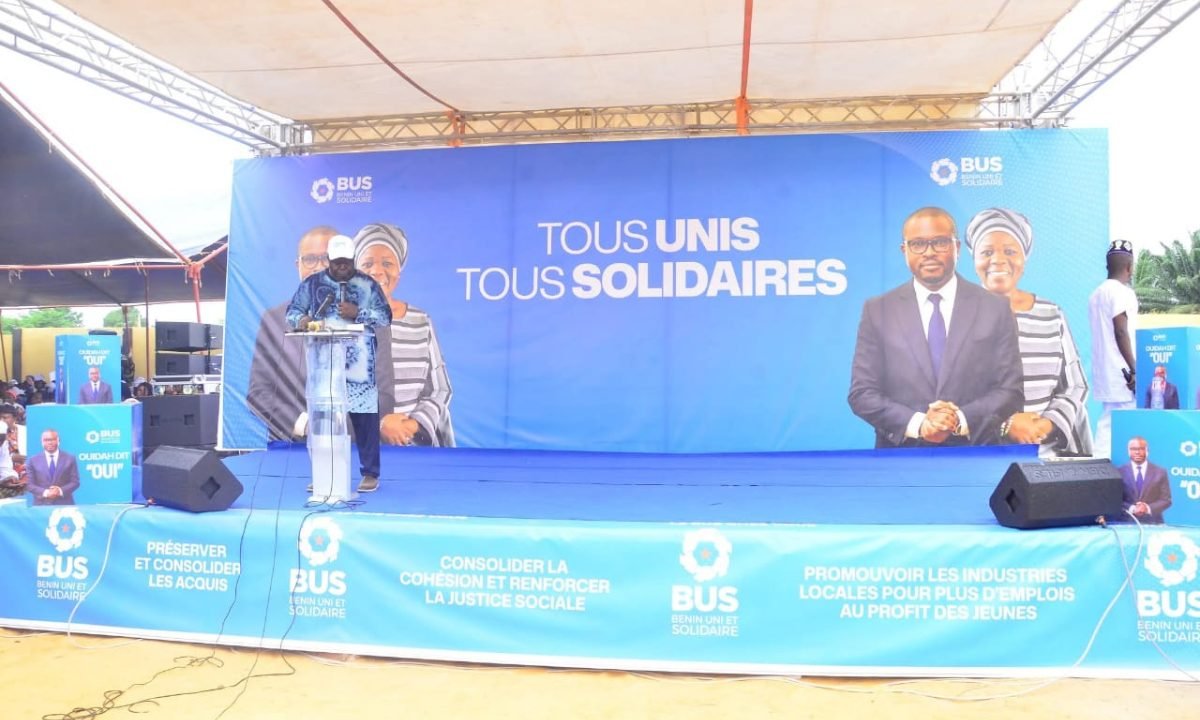
Romuald Wadagni, elected on April 12, 2026, and set to assume office on May 24, now finds himself at the forefront of a potential diplomatic reset. His administration’s approach to Niger will be closely watched, as regional stability in the Sahel remains fragile.
Earlier mediation efforts in 2025, involving a tripartite commission with former Beninese leaders, failed to yield tangible results. However, with Wadagni’s leadership, there is renewed hope for progress. For Cotonou, restoring relations with Niamey is not just a diplomatic priority but a strategic necessity.
A thaw in relations could unlock economic opportunities, revitalize cross-border trade, and enhance regional security cooperation in a volatile Sahelian environment.