Why industrialisation is crucial for Côte d’Ivoire’s economic leap
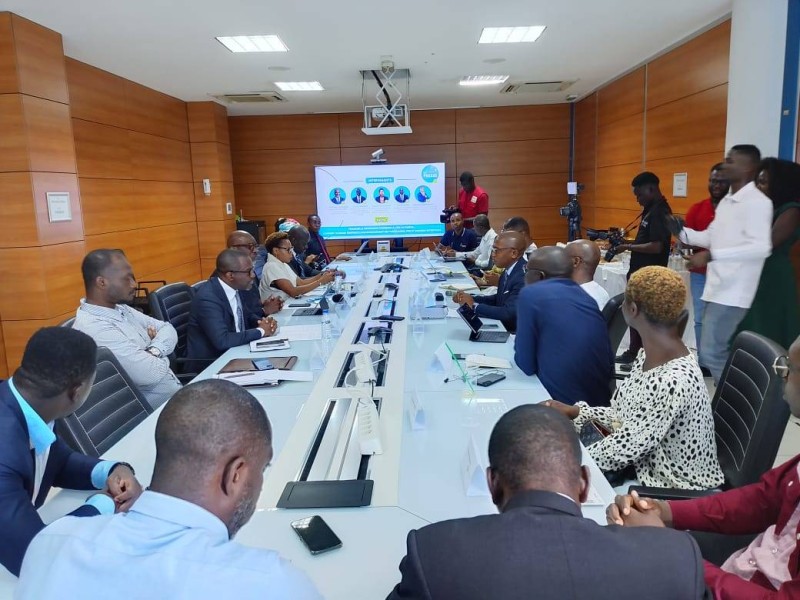
The industrialisation of Côte d’Ivoire took center stage during a press luncheon held on May 8, 2026, in Abidjan-Plateau. Paul-Harry Aithnard, Ecobank Côte d’Ivoire Regional Director for UEMOA, shared his insights on the matter. He emphasized that industrialisation is not just an option but a necessity for Côte d’Ivoire to transition into a fully developed economy, similar to countries like Malaysia.
Aithnard highlighted that Côte d’Ivoire’s current GDP stands at $100 billion, mirroring Malaysia’s GDP 25 years ago. However, over the period from 2000 to 2025, Malaysia successfully grew its GDP to over $400 billion. To achieve comparable growth, Côte d’Ivoire must prioritize industrialisation to scale its economy significantly in the next 25 years.
Key pillars for Côte d’Ivoire’s industrialisation
Aithnard outlined several critical components necessary for Côte d’Ivoire’s industrialisation journey:
- Inclusive financial systems: Developing a robust financial ecosystem that enables citizens to save, make payments, access credit, and invest. This system would cater to small-scale savings and investments, fostering economic participation across all segments of society.
- Digital transformation: Leveraging technology to enhance productivity and reduce operational costs. Digital tools can streamline processes, improve efficiency, and bridge gaps in financial inclusion.
- Private sector involvement: Encouraging private enterprises, particularly in banking, to finance large-scale infrastructure projects. This collaboration is vital for building the foundational systems required for industrial growth.
- Government support: The state must play an active role in developing essential sectors such as electricity and education. Reliable energy supply and a skilled workforce in sciences, technology, and management are indispensable for industrialisation.
Progress and challenges in Côte d’Ivoire
Aithnard acknowledged the progress Côte d’Ivoire has made in electricity production, which has seen a remarkable increase in recent years. He also praised the educational advancements, particularly in aligning curricula with the needs of a modern economy. However, he stressed that these efforts must continue and intensify to support the country’s industrial ambitions.
The industrialisation journey requires a multi-faceted approach, combining financial inclusion, technological innovation, private investment, and government backing. By addressing these areas, Côte d’Ivoire can position itself on a trajectory toward sustainable economic growth and development.