A national landscaping initiative in Burkina Faso is set to transform the urban landscape by creating 80 new green zones, developing 60 roundabouts, and establishing 65 kilometres of vegetated roadways. This ambitious project aims to fundamentally change the appearance and environmental quality of the country’s major cities.
Combatting the Sahelian climate with nature
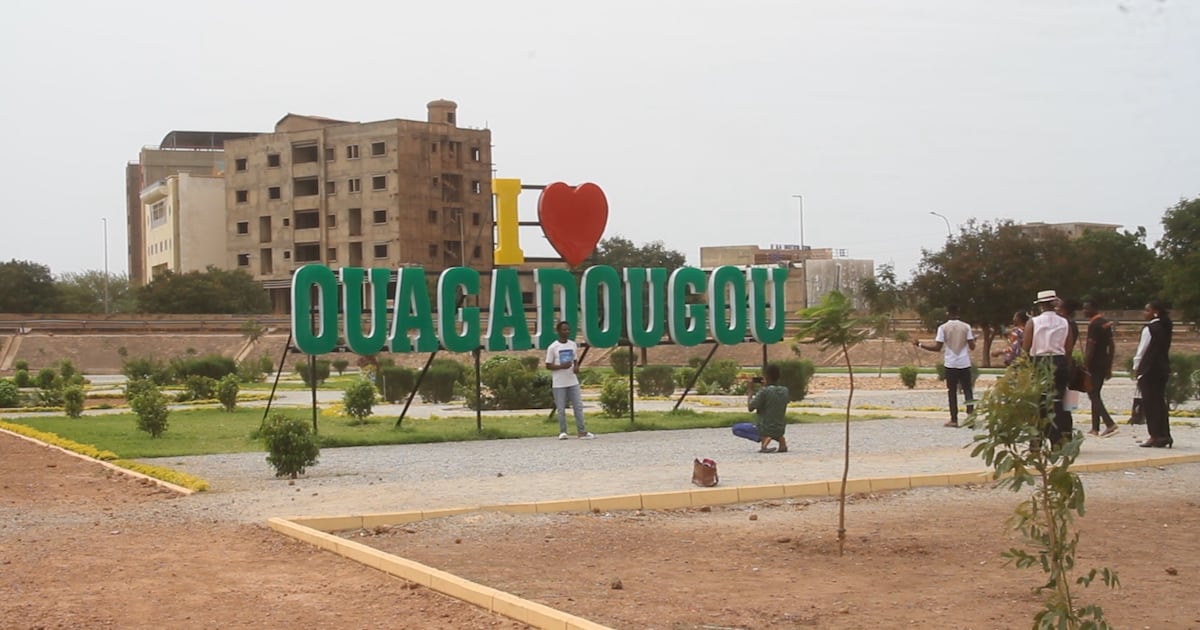
In urban centres often plagued by thick dust and stifling heat, the lack of recreational areas has long been a challenge. New developments, such as the green space located beneath the Ouaga 2000 interchange, are designed to enhance the daily lives of residents while providing much-needed relief from the sun.
Dr Ines Bationo, a member of the Burkinabè diaspora currently visiting from Sénégal, expressed her delight at the changes. “I was incredibly moved to see these landscaped areas. Having been away for a while, returning to find these beautiful spaces was a wonderful surprise,” she noted.
Creating urban microclimates
For local leaders like Mahamadi Ouedraogo, the transition is striking. He recalls that these areas were once nothing but bare, red earth. Today, they offer a refreshing microclimate. “As a Sahelian nation, we face intense heatwaves, and it is vital that ecological concerns become a shared priority,” he explained, highlighting the aesthetic and environmental shift.
Scientific research supports these local observations. Studies indicate that increasing urban vegetation, including street trees and green roofs, can lower average city temperatures by approximately 2°C. This cooling effect is crucial for public health during heatwaves. Furthermore, temperatures under a forest canopy can be up to 4°C lower than in exposed, open areas.
Social cohesion and the challenge of maintenance
Beyond the climate benefits, these green initiatives foster a sense of civic pride and community. These parks serve as hubs for social interaction, relaxation, and collective well-being. Sidoine Nakanabo, a local visitor, noted that such spaces are essential for relaxation and could even boost domestic tourism within Burkina Faso.
However, the long-term success of the programme hinges on sustainability. Planting trees is only the first step; maintaining them is the real challenge. Lassané Sawadogo, a member of civil society, suggests that the Ministry of the Environment and local municipalities should establish clear access guidelines. This could generate the necessary revenue to ensure these sites are properly cared for over time.
Ultimately, Burkina Faso is demonstrating that a modern city is defined by more than just concrete and asphalt. By integrating trees and shaded areas, the nation is creating urban environments where citizens can truly breathe and connect with nature.