As diplomatic efforts continue, the Democratic Republic of Congo (DRC) and Rwanda are under pressure to honor their commitments following a recent high-level meeting. Last week in London, representatives from Kigali and Kinshasa convened for the sixth session of their Joint Monitoring Committee, a critical step in implementing the peace accord. During these discussions, both nations pledged to alleviate escalating tensions, particularly in the Minembwe region, and to broaden the scope of the existing ceasefire verification mechanism.
However, these renewed commitments emerge amidst increasing scrutiny from Washington. The United States has recently imposed a series of sanctions on Rwandan officials and various enterprises, citing their alleged involvement in the illicit trade of gold and coltan originating from areas under the control of the AFC/M23 armed group. This raises serious questions about the integrity of the peace process in central Africa.
Adding to the international pressure, U.S. envoy Massad Boulos openly challenged Kigali’s adherence to its pledges during a session of the United Nations Security Council. These converging accusations cast a shadow over Rwanda’s position. The central question remains: how does Rwanda respond to these serious allegations, especially concerning its compliance with the Washington agreements?
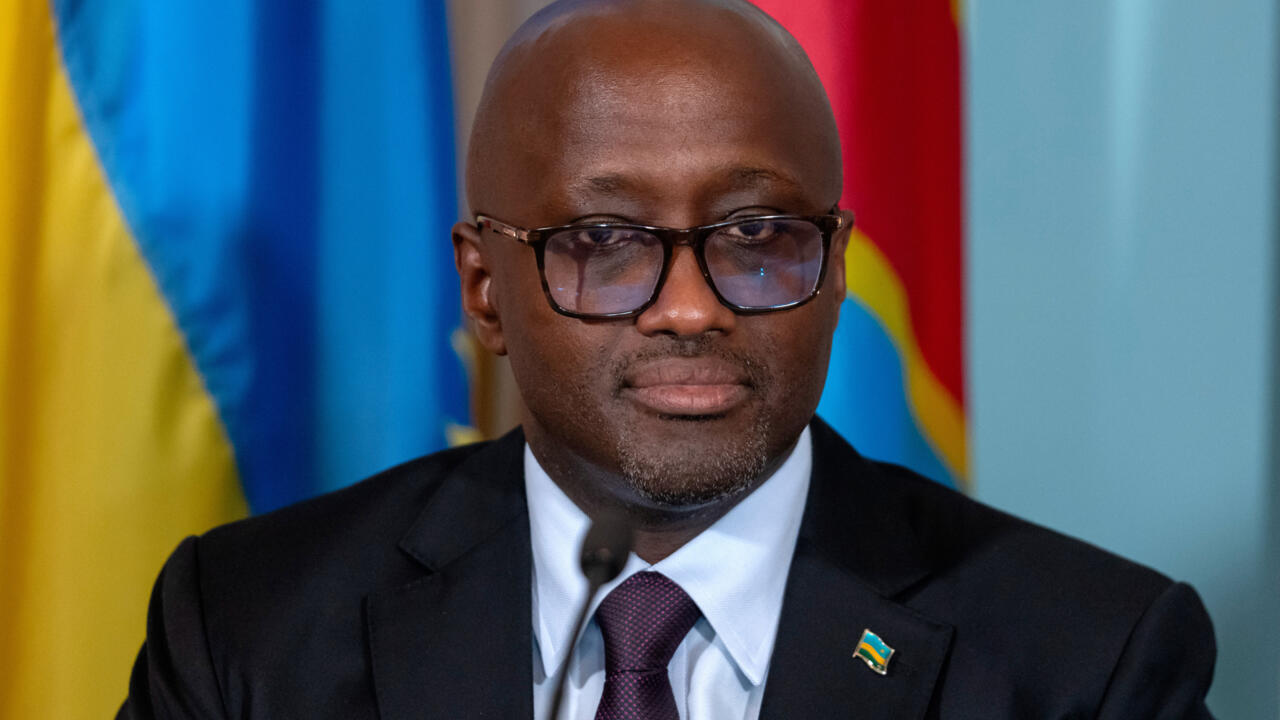
![Le ministre des Affaires étrangères du Rwanda, Olivier Nduhungirehe, assiste à la cérémonie de signature d'un accord de paix entre le Rwanda et la République démocratique du Congo au Département d'État, vendredi 27 juin 2025, à Washington [image d'illustration].](https://panafrica-news.info/wp-content/uploads/2026/07/scraped-1782976255688-9pviqx.jpg)