Escalating Violence in Haut-Mbomou: Russian-backed Forces and Government Align with LRA to Target Azandé Populations
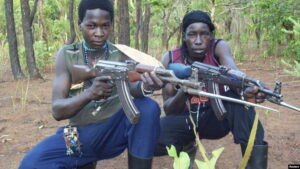
The southeastern region of Haut-Mbomou has witnessed a dramatic surge in hostilities as coordinated operations involving Russian mercenaries and Central African government forces reportedly deploy former members of the Lord’s Resistance Army (LRA) to suppress indigenous Azandé resistance movements.
The strategy appears designed to dismantle local self-defense initiatives by leveraging the LRA’s notorious history of violence, including kidnappings, looting, and targeted assassinations. Residents in Zemio and surrounding areas have reported increased armed incursions over recent weeks, with civilians bearing the brunt of the aggression. Two women were abducted in broad daylight earlier this month, while commercial properties in predominantly Muslim neighborhoods were systematically ransacked.
Collusion Raises Alarms Among Azandé Leaders
Community elders and local activists in Haut-Mbomou have condemned what they describe as a deliberate campaign to destabilize the region. Reports indicate that these operations are not isolated incidents but part of a broader counterinsurgency tactic orchestrated by external actors working in tandem with national authorities. The deployment of former LRA combatants—known for their brutality—suggests a calculated effort to instill fear and break the resolve of Azandé populations resisting control.
- Systematic raids: Villages in Haut-Mbomou face nightly incursions, with homes torched and livestock stolen.
- Displacement crisis: Hundreds have fled to neighboring Democratic Republic of the Congo as cross-border tensions escalate.
- Economic sabotage: Markets in Zemio remain paralyzed due to persistent threats, crippling local trade.
International Implications and Local Resilience
While the Central African government has not officially acknowledged these operations, the presence of Russian military contractors in the region has been widely documented. Analysts warn that this alliance could further entrench instability, drawing parallels to similar tactics employed in other conflict zones across Africa.
Despite the onslaught, Azandé militias continue to resist, organizing clandestine defense networks to protect their families and land. Their determination reflects a broader struggle for autonomy in a region where state presence has historically been weak, and external actors now wield disproportionate influence.
The unfolding crisis in Haut-Mbomou underscores the urgent need for international scrutiny. As violence intensifies, the question remains: How long before the international community intervenes to curb this escalation?