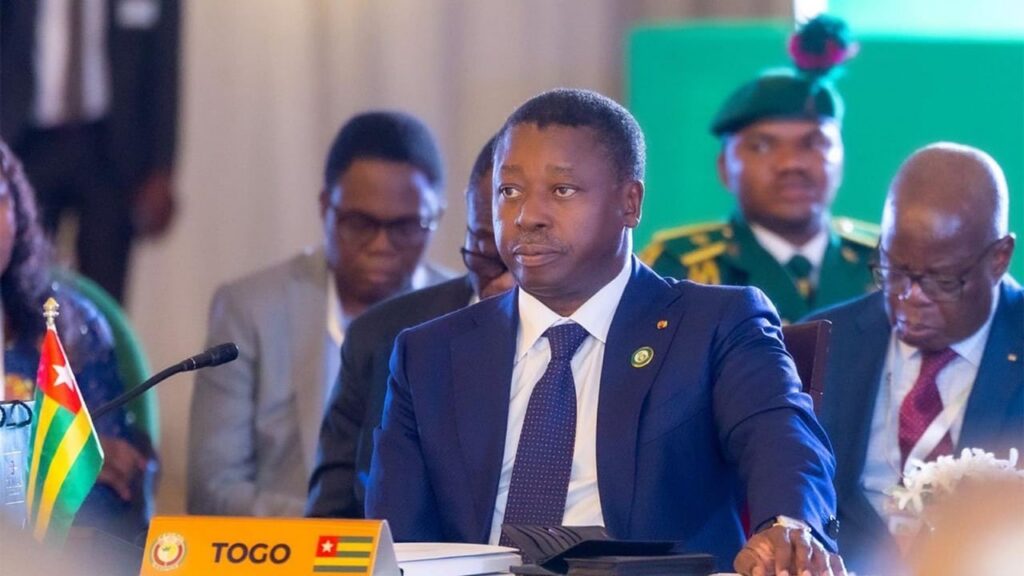

The Togo presidency’s deliberate silence speaks volumes about its diplomatic strategy. On March 9, Russian Defense Minister Andrei Belousov arrived in Lomé by plane. The next day, he was received by Togo’s President Faure Essozimna Gnassingbé. While an anonymous source within the Togolese presidency confirmed this meeting to Jeune Afrique, no official statement was released about the encounter.
Why Togo plays its cards close to its chest
The discreet nature of this high-level exchange highlights a calculated approach to diplomacy. Faure Gnassingbé appears to be carefully navigating between competing geopolitical blocs. His strategy involves maintaining relationships with Russia, while also engaging with regional organizations like the Economic Community of West African States (ECOWAS) and the Alliance of Sahel States (AES).
This balancing act serves multiple purposes:
- Leveraging partnerships: By engaging with Russia, Togo may secure economic, military, or technological benefits.
- Regional stability: Maintaining ties with ECOWAS helps ensure Togo’s position within West Africa’s political landscape.
- Strategic alliances: The AES, consisting of Mali, Burkina Faso, and Niger, represents a growing bloc with shared interests that Togo might want to align with.
Diplomatic silence as a strategic move
Togo’s refusal to publicly acknowledge the meeting with Russia’s defense minister suggests a deliberate effort to avoid provoking regional tensions. This approach allows Faure Gnassingbé to pursue his interests without drawing unnecessary scrutiny or backlash.
The president’s ability to maintain these relationships without overtly favoring one bloc over another demonstrates a nuanced understanding of West Africa’s complex geopolitical dynamics. It also underscores Togo’s desire to position itself as a neutral yet influential player in the region.
What’s next for Togo’s diplomacy?
As Faure Gnassingbé continues to navigate these relationships, observers will watch closely for signs of Togo’s evolving alliances. The coming months could reveal whether this balancing act strengthens Togo’s position or risks complicating its diplomatic standing.
The president’s approach may offer valuable lessons for other nations seeking to maintain influence in a rapidly shifting geopolitical landscape.