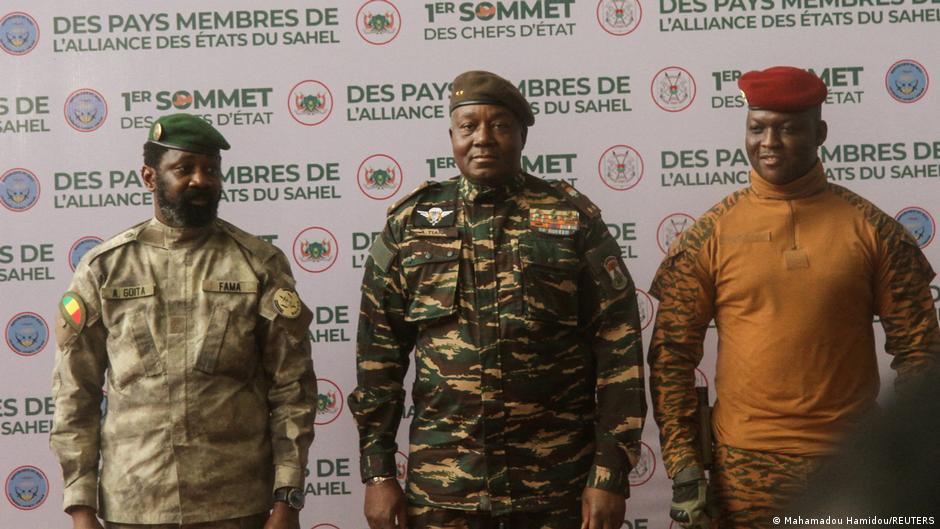
The European Union and the United States are recalibrating their engagement with Sahel nations, signaling a shift in diplomatic and economic strategies. Recent developments—including a five-year bilateral agreement between the U.S. and Burkina Faso, and diplomatic overtures from the EU’s special envoy to Mali—highlight a nuanced approach to an increasingly complex regional landscape.
diplomatic overtures and financial commitments
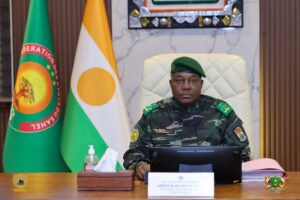
Washington’s recent actions underscore a pragmatic recalibration. On February 25, the U.S. State Department finalized a $147 million agreement with Burkina Faso, prioritizing HIV/AIDS treatment and broader health initiatives. Concurrently, U.S. officials reaffirmed their commitment to Niger’s sovereignty during a high-level dialogue with Prime Minister Ali Mahamane Zeine. These moves reflect a broader pattern of targeted engagement, balancing humanitarian priorities with geopolitical interests.
The EU’s envoy to the Sahel, João Cravinho, recently visited Bamako, despite strained relations with Mali’s transitional authorities. His visit follows a period of diplomatic friction, raising questions about whether these interactions signal a thaw or merely tactical adjustments.
analyzing western strategies in the Sahel
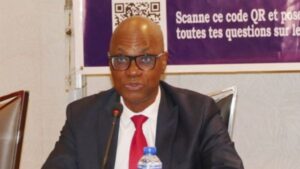
Francis Kpatindé, a West Africa specialist and lecturer at Sciences Po Paris, examines these evolving dynamics. According to Kpatindé, the current shifts do not yet constitute a full rapprochement but suggest cautious engagement.
DW: *The EU recently dispatched its special envoy, João Cravinho, to capitals of the AES alliance. Is this the beginning of a thaw in relations between these countries and the EU?*
Francis Kpatindé: I’d advise caution. The Sahel has repeatedly defied expectations, so while there may be tentative signals of change, it’s premature to speak of a thaw. Relations between Western powers—particularly Europe—and Sahel nations remain strained, with cooperation limited to essential areas.
economic and security interests take center stage
DW: *After Niger and Mali, Washington’s recent focus on Burkina Faso—with a $147 million HIV/AIDS and health accord—is a positive sign, isn’t it?*
Francis Kpatindé: Yes, it is. These agreements reflect a pragmatic shift. Western powers are offering limited economic and humanitarian cooperation, security training to combat terrorism, and acknowledging that regional instability could rebound on them. Abandoning these nations entirely would be irresponsible. However, economic interests also play a role. Niger’s uranium, Burkina Faso’s gold, and Mali’s vast mineral wealth are undeniable factors in these renewed engagements.
the EU’s pivot to bilateral diplomacy
DW: *Is the EU moving away from a regional strategy toward a country-by-country approach in the Sahel?*
Francis Kpatindé: Absolutely. Germany, for instance, maintains strong bilateral ties across the Sahel, often bypassing traditional colonial power dynamics. These nations no longer wish to engage solely with France, the former colonial power in Mali, Niger, and Burkina Faso. This shift creates opportunities for other EU members—like Germany and Hungary—to act as intermediaries, allowing France to maintain minimal contact with transitional governments.
Ultimately, these adjustments reflect a broader recalibration of Western influence in the Sahel, where sovereignty claims and resource interests intersect with evolving security challenges.