Gabon’s decade-long journey to UN compliance culminates in success
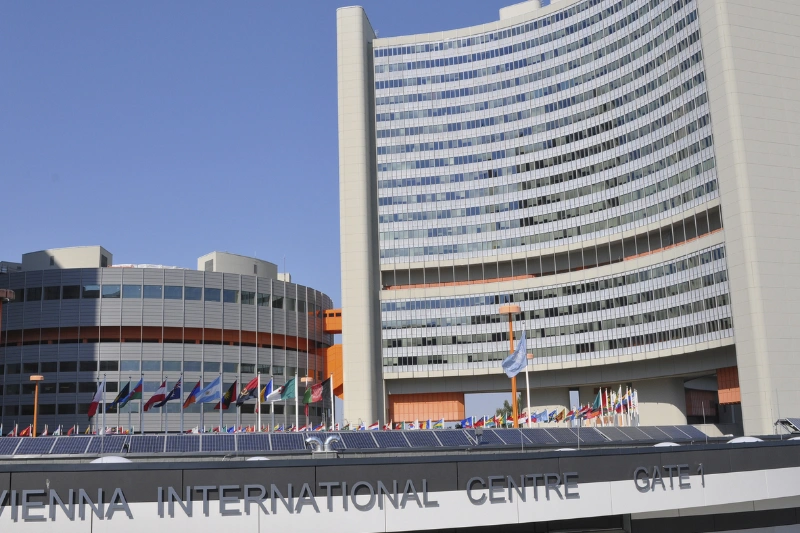
After eleven years of meticulous preparation, Gabon has finally met the stringent requirements set by the United Nations Office on Drugs and Crime (UNODC). The milestone was officially recognized during a high-level consultation held in Libreville from June 29 to July 1, 2026, where Séraphin Ondoumba, the UNODC’s focal point for Gabon, confirmed the country’s compliance with the second review cycle of the United Nations Convention against Corruption.
This achievement follows a structured evaluation process established under the 2011 resolution 3/1 adopted in New York. The National Commission for Combating Corruption and Illicit Enrichment (CNLCEI), led by Nestor Mbou, played a pivotal role in steering the nation’s reforms. Gabon’s success underscores its commitment to transparency and accountability on the global stage.
From evaluated country to global evaluator
Gabon’s compliance with the UNODC’s standards marks a significant shift in its international standing. Selected alongside Uruguay by the UNODC secretariat, Gabon was entrusted with assessing the Republic of Seychelles on critical chapters of the Convention—namely, preventive measures and asset recovery. This new responsibility highlights Gabon’s growing influence in shaping anti-corruption policies worldwide.
—
—
Reforms set to reshape Gabon’s governance landscape
The UNODC’s review process has already triggered a wave of transformative changes in Gabon. Key reforms include:
- Strengthening the legal framework to align with international standards
- Enhancing inter-institutional collaboration to bolster enforcement
- Investing in capacity-building initiatives for public officials
- Facilitating knowledge-sharing partnerships with other nations
- Identifying gaps in technical and financial assistance to sustain progress
These advancements reinforce Gabon’s dedication to eradicating corruption and fostering a culture of integrity across its institutions.