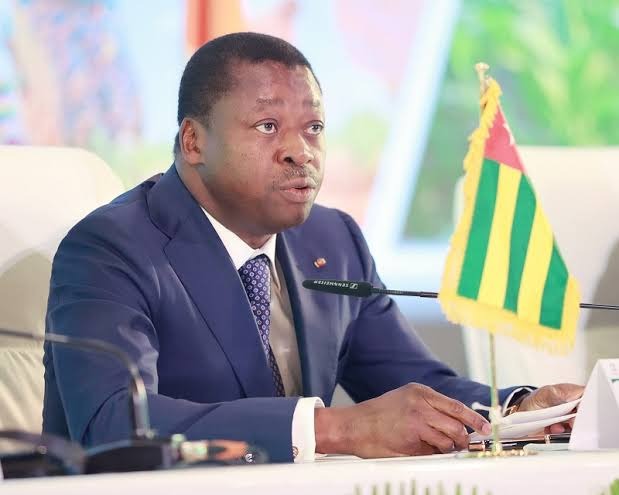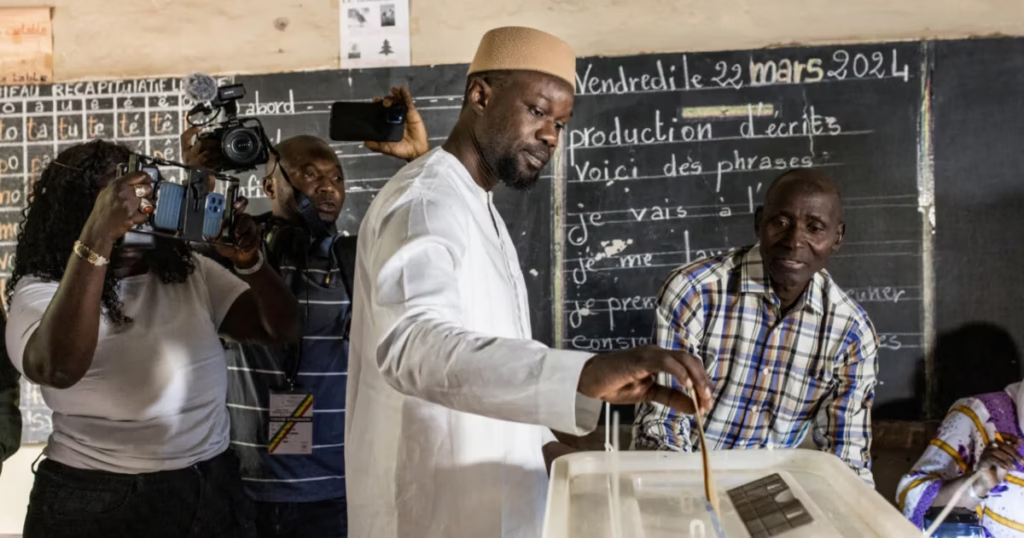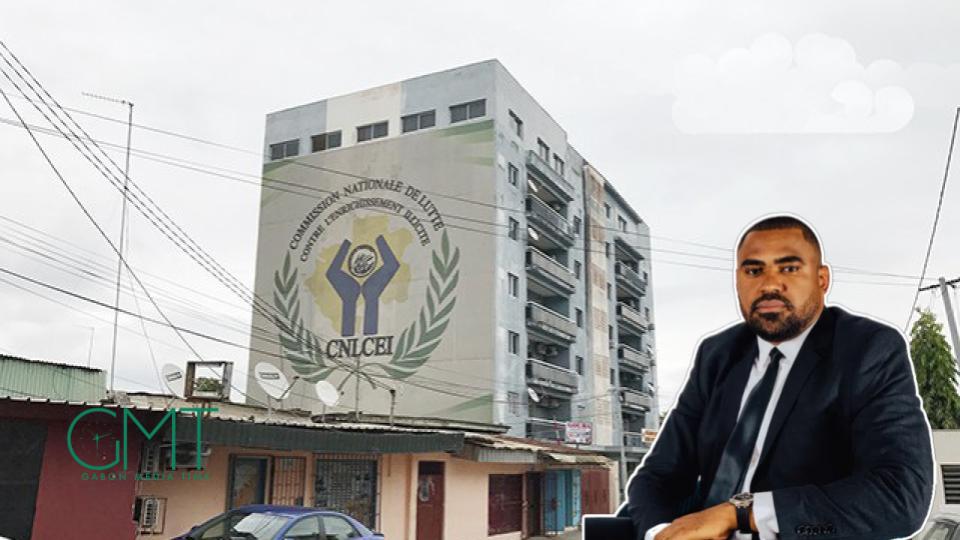
Jean-Pierre Antchoue Ayenoue, Vice President overseeing International Affairs and the Diaspora, brings extensive expertise in corruption and money laundering prevention to his role.
Assessing Gabon’s progress in combating corruption
From June 29 to July 1, 2026, Libreville will host an international team of experts mandated by the United Nations Office on Drugs and Crime (UNODC). Their task is to evaluate Gabon’s systems for preventing corruption and recovering illicit assets as part of the second review cycle of the United Nations Convention against Corruption (UNCAC). While this may seem like a routine inspection, ignoring its significance would be a critical oversight.
The fight against corruption stands as a cornerstone of the Front Démocratique Socialiste’s agenda, reflecting both a national priority and a personal commitment for many involved. This evaluation presents a vital opportunity for citizens, patriots, and engaged socialists to confront this pressing issue, especially as current events underscore the urgency of this battle.
Understanding the second UNCAC review cycle
The UN Convention against Corruption, ratified by Gabon in 2007, mandates concrete actions in transparency, institutional oversight, whistleblower protection, and recovery of embezzled funds. This peer-review process, conducted alongside Chad and Libya, assesses compliance with these obligations, identifies gaps, and proposes actionable recommendations.
Following the first review cycle from 2010 to 2015, which focused on criminalization and judicial cooperation, the second cycle zeroes in on two critical areas: corruption prevention and the recovery of illicitly acquired assets.
Evaluating Gabon’s anti-corruption initiatives
The National Commission to Combat Corruption and Illicit Enrichment (CNLCEI) has faced scrutiny since Gabon’s August 30, 2023 liberation coup. Despite the transition, questions persist about its effectiveness. What assets have been recovered? How many individuals have been prosecuted?
In July 2025, Libreville hosted a workshop to promote the Ethical Code, aiming to bolster public integrity. Yet, its practical application remains unclear. Are government agencies adhering to these standards?
On February 27, 2026, two new CNLCEI rapporteurs were sworn in before the Libreville Court of Cassation, signaling institutional renewal. However, their work remains largely unseen, and tangible results are still awaited.
On May 13, 2026, the CNLCEI, with support from the International Organisation of La Francophonie, organized a forum on “good governance, sharing best practices, and institutional strengthening for public integrity.” While this initiative demonstrates a commitment to global standards, the true measure of governance lies in measurable outcomes—reduced corruption, accountability, recovered funds, and public trust.
Balancing recognition with reality
Progress has been made since the transition. The CNLCEI’s powers have expanded, constitutional provisions now emphasize transparency in public resource management, and asset declaration requirements have been broadened. Gabon’s delegation, led by Séraphin Ondoumba, highlighted these advancements at the 17th session of the UNCAC Implementation Review Group in Vienna, emphasizing inter-agency convergence and multilateral cooperation.
Yet, these efforts remain fragmented. Gabon lacks a cohesive national anti-corruption plan with clear milestones, measurable targets, or independent monitoring mechanisms. Without coordinated implementation, policies risk becoming hollow declarations.
The upcoming UN evaluation sends a positive signal, particularly in a regional context where some states resist external scrutiny. However, openness alone cannot substitute for a structured strategy.
A call for honest assessment
Cooperating with international evaluators is the bare minimum. What Gabon must now demonstrate is unwavering transparency, exposing administrative flaws to receive precise guidance and drive meaningful reform.
The international indicators paint a sobering picture. Gabon’s public procurement system is plagued by direct negotiations, with a former Finance Minister publicly acknowledging that 93.25% of contracts, by value, were awarded without competitive bidding. Deep-rooted issues persist, including conflicts of interest, blurred lines between public and private assets, and institutional weaknesses. While Gabon has gained two points in Transparency International’s Corruption Perceptions Index since 2024, its justice system moves slowly on high-profile cases, and mechanisms for recovering foreign-held illicit assets remain ineffective.
Is Gabon lagging behind in the fight against corruption? The answer will soon emerge from next week’s evaluation.
In response, we are launching a citizen awareness campaign this week to empower the public in this critical fight.