Gabon’s bold shift: from raw exports to industrial powerhouse
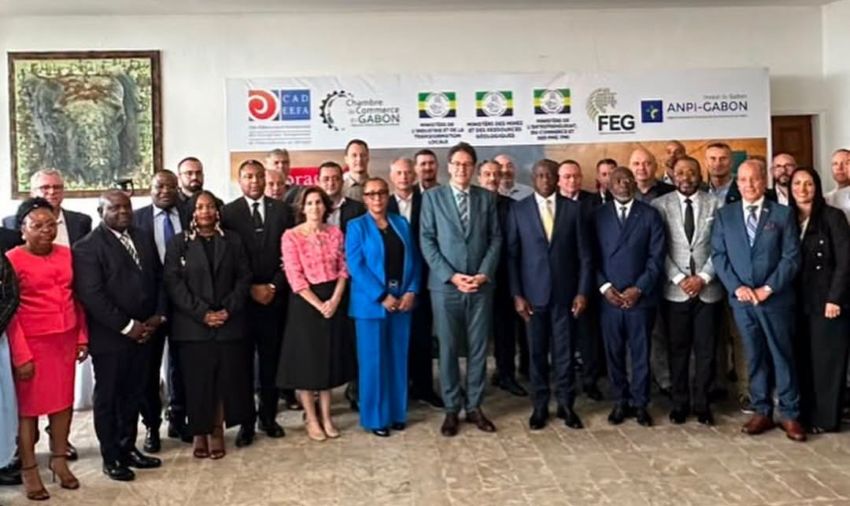
Libreville, June 24, 2026 – Gabon is redefining its economic identity, moving beyond its traditional role as a supplier of raw materials like oil, manganese, and timber. The nation is now doubling down on a transformative strategy: local processing of natural resources to fuel its next phase of growth.
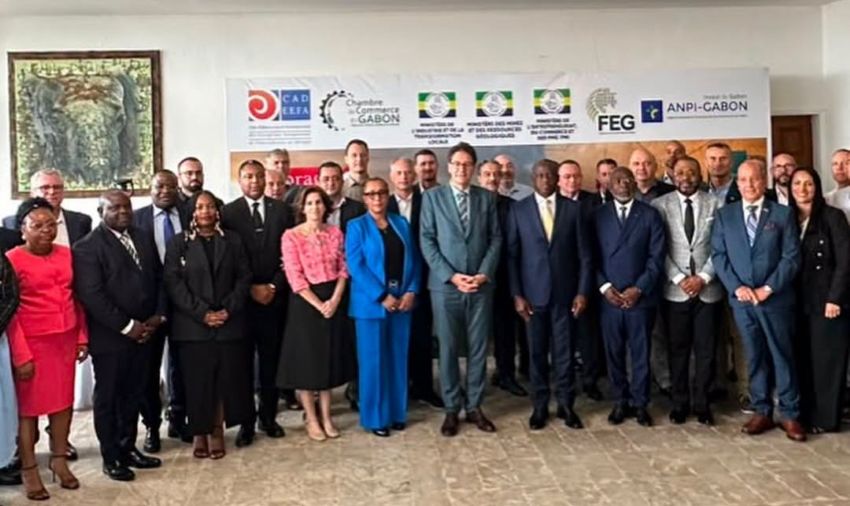
The Gabon Industrial Forum, launched in Libreville this week under the leadership of Vice-President of the Government Hermann Immongault, signals a pivotal moment. By convening over two dozen European investors, public officials, industrial leaders, and international partners, Gabon is sending a clear message: it no longer aims to merely export commodities. Its goal is to emerge as a hub for production, value addition, and industrial innovation.
This shift places Gabon at the forefront of a critical conversation sweeping across Africa: how can resource-rich nations convert natural wealth into industrial might?
The push for economic transformation
Hermann Immongault’s unambiguous stance underscores the urgency: industrialization is no longer optional—it’s a strategic imperative for Gabon’s future. This perspective reflects a growing consensus among African economies long reliant on raw material exports. For decades, these nations have shipped unprocessed goods abroad, only to reimport high-value finished products, a cycle that stifles local economic gains and job creation.
Yet Gabon possesses formidable assets: world-class mineral reserves, globally recognized timber resources, and a robust energy sector that anchors regional stability. The challenge now lies in converting these natural endowments into integrated industrial value chains that retain wealth within the country.
The High Investment Council has begun addressing structural barriers—legal uncertainty, cumbersome regulations, and logistical hurdles—that have historically deterred productive investment. Authorities are pledging tangible reforms to enhance legal security, streamline business processes, and accelerate industrial project implementation.
Attracting capital to build a national industry
Industry Minister Lubin Ntoumtoume has outlined a comprehensive roadmap. Key priorities include regulatory modernization, administrative simplification, expanded energy access, upgraded logistics infrastructure, and targeted workforce development. This strategy aligns with global supply chain shifts, as investors increasingly seek production bases closer to emerging markets.
Gabon is positioning itself to capitalize on this trend. The European investors present at the forum highlight growing international interest. The French Ambassador to Gabon, Fabrice Mauriès, emphasized the need for economic partnerships rooted in shared development rather than extractive extraction.
Organizers are championing a collaborative ecosystem, bridging government, enterprises, and vocational training centers to align education with market needs. Modern industry demands more than infrastructure—it requires skilled talent, innovation, and responsive educational systems.
The decisive test: turning vision into action
The Gabon Industrial Forum arrives at a defining juncture. For years, the country has pursued reforms to reduce its dependence on raw material exports. The timber sector offers a promising example: a ban on log exports has spurred a thriving processing industry, creating jobs and boosting value addition. Authorities now aim to replicate this success across mining, metallurgy, agribusiness, and service industries.
Upcoming visits to Port-Gentil, Moanda, and Greater Libreville will showcase existing infrastructure and ongoing projects. Yet success hinges not on announcements, but execution. Africa has seen ambitious industrial blueprints falter against bureaucratic inertia, financial constraints, and logistical bottlenecks. Gabon’s true test is whether it can convert vision into reality.
The forum represents more than an economic gathering—it’s a credibility trial for a nation seeking to redefine its global economic footprint. Should this strategy succeed, Gabon could emerge as one of Africa’s most advanced laboratories for industrial transformation. Failure would leave it trapped in the same cycle that has constrained resource-rich economies for generations.
Related posts
Benin’s AIIB funding pipeline sparks debate on future economic impact
Benin’s AIIB funding pipeline sparks debate on future economic impact The announcement of a $730 million...
Cameroon’s anglophone regions under lockdown: a decade of unrest and the fallout on october 1st
Cameroon’s anglophone regions under lockdown: a decade of unrest and the fallout on october 1st The...
Benin’s €500 million bond: what the landmark deal means for the region’s future
Cotonou — The fallout from Benin’s latest foray into international capital markets is still being digested,...