Gabon’s strategic role in Africa’s economic reshaping
Libreville, June 20, 2026 – Africa is undergoing a profound economic transformation. Historically constrained by colonial-era borders, the continent is now forging the world’s largest integrated market by number of participating nations.
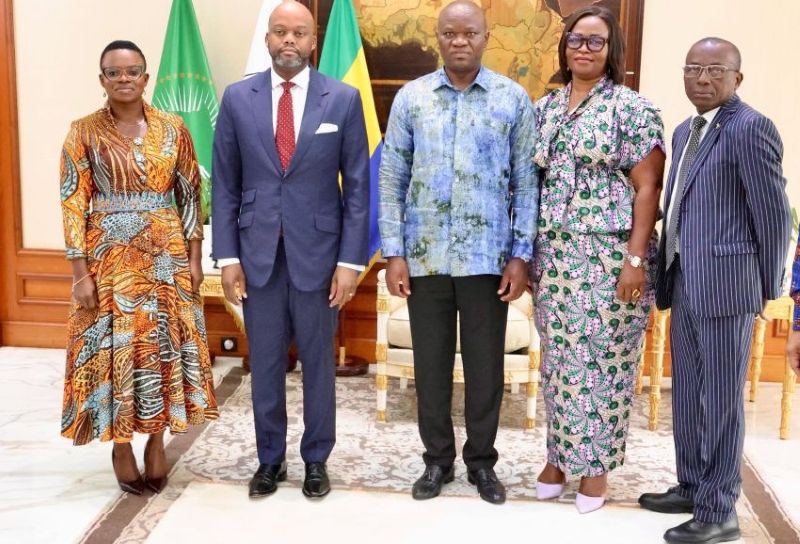
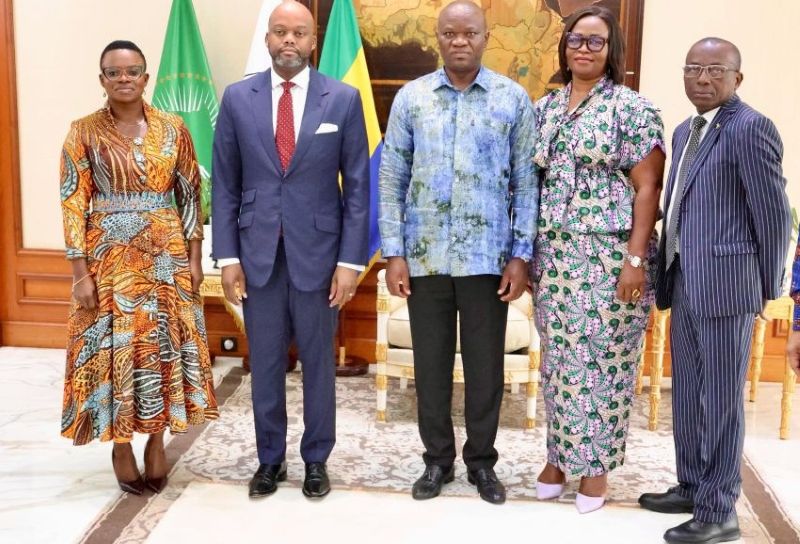
The meeting held Friday in Libreville between Gabonese President Brice Clotaire Oligui Nguema and Wamkele Mene, Secretary-General of the African Continental Free Trade Area (AfCFTA), was far more than a routine diplomatic exchange. It symbolized Gabon’s determination to emerge as a key player in Africa’s new economic architecture.
As global supply chains undergo major restructuring and regional blocs strengthen their integration, the question is no longer whether Africa should prioritize intra-continental trade, but rather how each nation plans to position itself in this historic shift.
An economic powerhouse with 1.4 billion consumers
The AfCFTA represents one of the most ambitious economic initiatives of the 21st century, uniting over 1.4 billion people with a combined GDP exceeding $3 trillion. Its core mission is straightforward: gradually eliminate trade barriers to boost intra-African commerce.
Yet despite its vast potential, Africa remains one of the world’s least integrated regions in terms of cross-border trade. While intra-European trade accounts for over 60% of the continent’s exchanges and intra-Asian trade approaches 50%, Africa struggles to surpass 15%. The AfCFTA seeks to bridge this gap decisively.
Discussions between Gabon’s Head of State and the AfCFTA Secretary-General focused on concrete mechanisms to help Gabon fully leverage this continental market opening. Key priorities identified included customs modernization, enhanced border infrastructure, regulatory framework improvements, and institutional strengthening.
Nkok: Gabon’s industrial jewel
Wamkele Mene highlighted Gabon’s often-overlooked strategic advantage: the Nkok Special Economic Zone.
Within a few years, Nkok has evolved into Central Africa’s premier industrial hub, hosting numerous enterprises specializing in wood processing, metallurgy, and manufacturing. This facility embodies Gabon’s commitment to moving beyond raw material exports toward local value creation.
This industrial pivot aligns perfectly with the AfCFTA’s spirit. The success of tariff-free trade will depend not on countries’ ability to export natural resources, but on their capacity to develop competitive, diversified industrial bases.
Gabon’s geographical position further enhances its prospects. Straddling the Gulf of Guinea with modern port infrastructure and major logistics projects underway, the country is ideally positioned to serve as a regional trade gateway.
Transformation as national doctrine
During the meeting, President Brice Clotaire Oligui Nguema reaffirmed Gabon’s National Growth and Development Plan, built on three pillars: local resource transformation, economic diversification, and accelerated digital transition.
This strategy marks a clear departure from traditional models reliant solely on raw material extraction. It reflects Gabon’s ambition to meet the demands of global competition.
The AfCFTA’s true challenge extends beyond tariff reduction—it aims to foster African economies capable of large-scale production, innovation, and export. The timing of this Gabonese-AfCFTA discussion could not be more critical. The continent now has a unified legal framework; the next step is transforming political ambition into economic reality.
For Gabon, the stakes are clear. The country is no longer content to merely participate in continental trade—it seeks to become one of its primary beneficiaries. The AfCFTA opens doors to an unprecedented continental market, but only nations that proactively adapt to industrial, logistical, and digital transformations will capture its full rewards. Libreville appears determined to be among them.
Related posts
Senegal floods: the moment of truth arrives for Sonko’s successor
By Aïcha Abdou — Journalist
Benin’s financing shift sparks debate over sustainable funding models
Economy Benin’s financing shift sparks debate over sustainable funding models Updated October 2026 With 8.1% growth...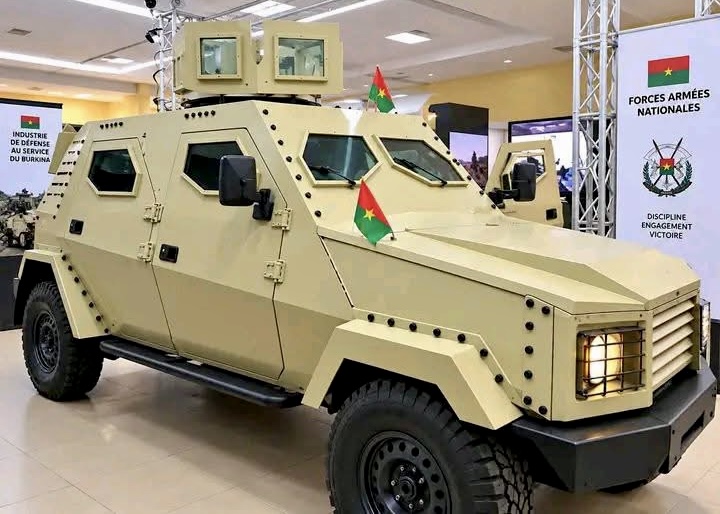
Burkina Faso’s 300 armored vehicles: Traoré’s big claim collapses under scrutiny
In a sweeping announcement this September, Burkina Faso’s military leader Ibrahim Traoré declared that Faso Armored...