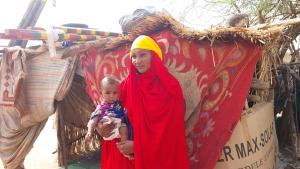
In the heart of Mandjafa, a nomadic camp on the outskirts of N’Djamena, Afia arrived with her four-month-old daughter Fatma to access vital health services tailored for mobile communities. A mother of five, Afia relies on these periodic interventions to safeguard her family’s well-being. “Vaccinations keep our children healthy,” she shares. “Whenever they fall ill, I take them straight to the nearest health post.”
Bridging gaps in healthcare for Chad’s pastoral communities
Afia’s journey reflects the challenges faced by Chad’s nomadic populations—approximately 3.5% of the nation—where seasonal migration and remote locations often isolate families from essential services. To address this, the government has adopted the “One Health” initiative, a collaborative framework uniting health, livestock, environmental, and agricultural sectors to deliver adapted care. In Mandjafa, this strategy culminated in a unified outreach event on June 9, 2026, serving 134 individuals, including 11 children, alongside 96 livestock vaccinations and complementary health interventions.
The initiative combined human and animal health services, distributing vitamin A supplements, deworming treatments, and insecticide-treated mosquito nets. For communities dependent on livestock for survival, these efforts are transformative. Youssouf Idriss, a local herder tending sheep, cattle, and camels, underscores their importance: “Our animals sustain us. Their health is our priority.”
One Health: A lifeline for pastoral families
Dr. Mahamat Béchir, National Coordinator of the One Health platform, highlights the initiative’s origins: “Early 2000s studies revealed stark vaccination gaps among nomadic groups. We realized standard approaches failed them—adaptation was critical.” The breakthrough came from leveraging existing veterinary services. By merging livestock care with maternal and child health services, teams could reach more families in a single effort, reducing travel burdens.
Raphaël Neni, a veterinary officer with five years of field experience, has witnessed tangible results: “Since scaling up vaccination, we’ve seen a noticeable drop in livestock diseases. Herders themselves report healthier animals.” Beyond economic benefits, the approach curtails zoonotic disease risks, bolstering community safety.
Collaboration at the core of public health
The One Health platform orchestrates cross-sectoral action, addressing zoonotic threats, climate impacts, and environmental hazards. “Health challenges demand collective solutions,” says Dr. Béchir. “Diseases don’t respect sector boundaries—neither can our response.”
Over two decades, Dr. Tamadji Mbaïhol of the WHO Chad has seen firsthand the power of mobile, adaptable services. “Nomadic families readily embrace health services when delivered in ways that suit their lifestyle. The key is meeting them where they are.” This principle has driven sustained participation and trust.
As teams continue their outreach, Afia prepares to return home, her daughter Fatma protected by timely care. Her advice to other parents is clear: “Act fast when a child falls ill. Quick responses save lives and keep families strong.”
In Mandjafa, the One Health approach isn’t just delivering services—it’s forging resilience, ensuring that even the most mobile communities in Chad thrive.