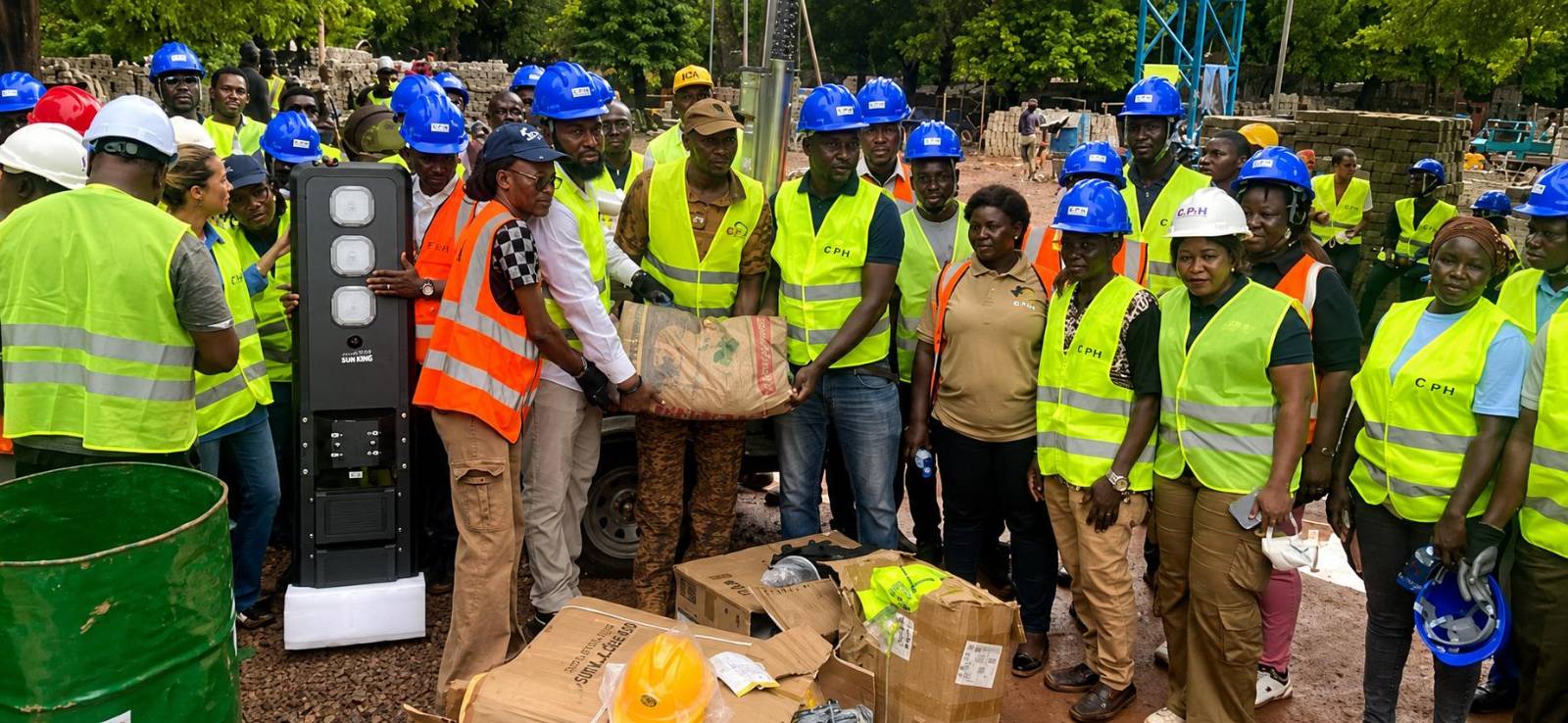
The Faso Mêbo initiative has sparked intense debate across Burkina Faso, with officials proudly announcing over 261 million FCFA collected by mid-May 2026. Yet beneath the surface of this seemingly patriotic drive lies a growing skepticism: Is this a genuine call to national unity, or an unacknowledged form of double taxation?
Patriotism or financial burden?
For many in Burkina Faso, the line between civic duty and exploitation is becoming increasingly blurred. While citizens already fulfill their tax obligations against a backdrop of economic hardship—rising inflation and persistent security threats—the government is now urging them to contribute even more through voluntary donations. But why?
Taxes in Burkina Faso are designed to fund critical national priorities: defense, infrastructure, healthcare, and education. When citizens dutifully pay their taxes, they fulfill their legal and moral obligations. Yet the Faso Mêbo initiative seems to imply that the existing tax system is insufficient, raising questions about fiscal mismanagement or misplaced priorities.
The illusion of voluntary contributions
Critics argue that Faso Mêbo is less about patriotism and more about masking deeper issues. By framing additional contributions as a voluntary act, the initiative may inadvertently normalize the idea that the state cannot rely solely on tax revenue to function. This raises concerns about accountability and transparency in how public funds are allocated.
Some citizens view Faso Mêbo as a moral scam, leveraging emotional appeals to guilt-trip the population into filling gaps that should be covered by existing revenue streams. Paying taxes is a civic duty, but being asked to pay twice for the same services—once through taxes and again through voluntary donations—feels unjust and counterproductive.
Transparency must come first
The Burkina Faso government has long relied on its citizens’ civic spirit, and the Faso Mêbo initiative tests that trust. While well-intentioned contributions can supplement national development, they should not replace a robust, transparent fiscal system. Citizens deserve clarity on how every franc collected is spent—especially when it comes to funds gathered outside the official budget.
The future of Burkina Faso’s development hinges on more than sporadic fundraising campaigns. It requires a clear, accountable, and efficient use of existing tax revenue. Until then, initiatives like Faso Mêbo risk being seen not as acts of patriotism, but as signs of systemic financial shortfalls.